Operation Process and Working Principle of Paper Chip Pneumatic Conveying Systems
Release time:2026-09-20 10:01:34
name of the company:Shandong Headpowder Engineering Co., Ltd.
telephone:156-6277-7102
contacts:Manager Zhang
For industries dealing with paper chips and similar bulk materials, efficient material handling is crucial for maintaining production efficiency and operational costs. Pneumatic conveying systems, particularly those designed for paper chip applications, offer a reliable solution. This article delves into the operation process and working principles of paper chip pneumatic conveyors, highlighting the expertise of Shandong HeadPowder Engineering Co., Ltd., a leading manufacturer in the field.
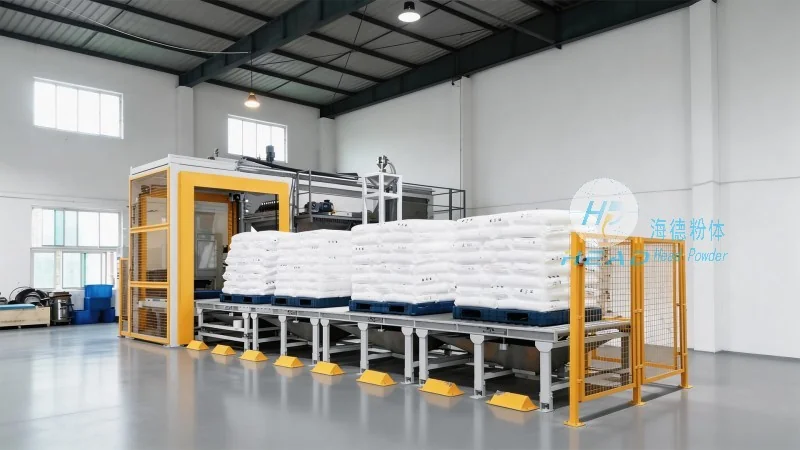
Company Introduction: HeadPowder Engineering
HeadPowder Engineering, operating under the brand name HeadPowder, is a reputable company based in Shandong, China. Specializing in the design, manufacturing, and supply of pneumatic conveying equipment, the company has built a strong reputation for delivering high-quality solutions tailored to the needs of various industries. With a focus on innovation and customer satisfaction, HeadPowder Engineering ensures that its products meet the highest standards of performance and durability.
The Operation Process of Paper Chip Pneumatic Conveying Systems
The operation of a paper chip pneumatic conveyor involves a series of coordinated steps to ensure smooth and efficient material transport. The process typically begins with the preparation of the material, where paper chips are loaded into the hopper or feeding chamber. Once the system is activated, the conveying process starts with the following stages:
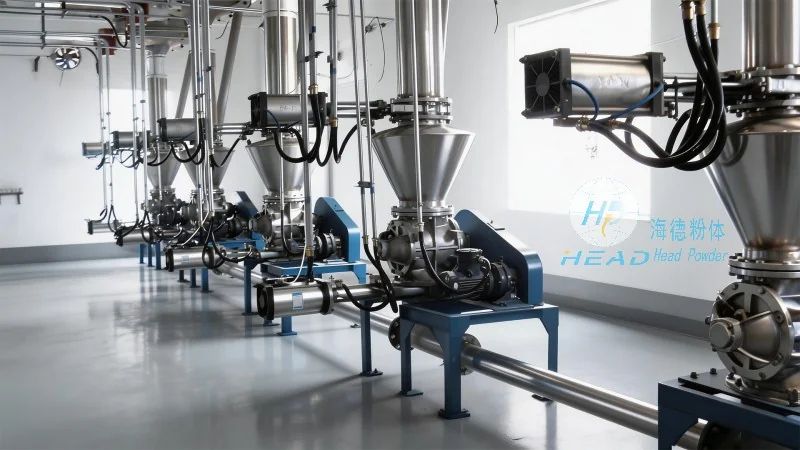
- System Activation and Air Supply: The pneumatic conveying system is powered on, and compressed air is supplied to the main conveying line. This air flow creates the necessary pressure differential to initiate material movement.
- Material Intake and Suspension: As the compressed air flows through the hopper, it lifts the paper chips into the air stream, creating a suspended mixture of material and air. This suspension allows the chips to be transported through the pipeline without direct contact with the pipe walls.
- Transport Through the Pipeline: The suspended paper chips travel through the conveying pipeline, which may include bends, valves, and other components. The air flow maintains the material in suspension, ensuring consistent and controlled movement to the discharge point.
- Discharge and Material Separation: At the destination, the air flow is adjusted to allow the paper chips to settle out of the air stream. The separated material is collected in a designated container, while the air is either filtered and recycled or vented to the atmosphere.
- System Shutdown: When the conveying operation is complete, the system is shut down by stopping the air supply. This ensures that the pipeline is depressurized and the equipment is ready for the next cycle.
The Working Principle of Paper Chip Pneumatic Conveyors
The core working principle of paper chip pneumatic conveyors is based on the use of compressed air to create a fluidized or suspended state of the material. This principle is fundamental to the efficient transport of bulk materials like paper chips, which are often light and prone to bridging or clogging in traditional mechanical systems. The key components and mechanisms involved include:
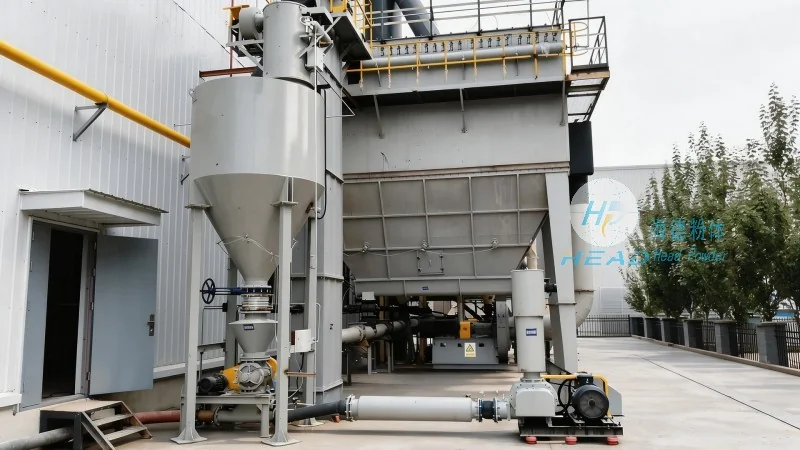
- Air Compressor and Pressure Regulation: A compressor generates compressed air, which is then regulated to the appropriate pressure and flow rate for the conveying system. Proper pressure control is essential to maintain the material in suspension and prevent excessive energy consumption.
- Hopper and Feeding Mechanism: The hopper serves as the material storage and feeding unit. It is designed to evenly distribute the paper chips into the air stream, ensuring consistent material intake. Some systems may include vibrators or other feeding aids to prevent material bridging.
- Conveying Pipeline and Components: The pipeline is typically made of materials resistant to the corrosive or abrasive nature of paper chips, such as stainless steel or specialized plastic. Components like bends, elbows, and valves are strategically placed to guide the material flow and maintain system efficiency.
- Discharge and Separation System: The discharge point is designed to allow the paper chips to settle out of the air stream. This may involve a cyclone separator, a filter, or a collection bin. The separated material is then collected for further processing or disposal.
- Air Filtration and Recycling: To maintain system efficiency and environmental compliance, the exhaust air is often filtered to remove any fine particles or dust. The filtered air can be recycled back into the system, reducing energy consumption and operational costs.
Advantages of Paper Chip Pneumatic Conveying Systems
Pneumatic conveying systems for paper chips offer several advantages over traditional mechanical conveying methods. These include:
- Efficient Material Handling: The suspended transport of paper chips ensures minimal material degradation and consistent flow rates, leading to higher production efficiency.
- Reduced Downtime and Maintenance: Unlike mechanical systems that require regular cleaning and maintenance, pneumatic conveyors have fewer moving parts and are less prone to clogging, resulting in lower downtime and maintenance costs.
- Environmental Benefits: The enclosed system reduces dust emissions and prevents material contamination, making it an environmentally friendly solution for handling paper chips.
- Flexibility and Scalability: Pneumatic conveying systems can be easily adapted to different production requirements, with the ability to expand or reconfigure the pipeline as needed.
Conclusion
Understanding the operation process and working principles of paper chip pneumatic conveyors is essential for optimizing material handling in various industries. With its expertise in designing and manufacturing high-quality pneumatic conveying equipment, Shandong HeadPowder Engineering Co., Ltd. provides reliable solutions that enhance operational efficiency and reduce costs. By leveraging the principles of air-based material transport, these systems offer a sustainable and effective approach to handling paper chips and similar bulk materials.

 Shandong Headpowder Engineering Co., Ltd.
 156-6277-7102(Manager Zhang)
  0531-83386006
  Zhangqiu District, Jinan City, Shandong Province, China