

What is a Bean Powder Material Pneumatic Conveying Equipment? And What Are Its Design Principles?
When it comes to efficiently transporting fine powders like bean powder, pneumatic conveying systems have become a cornerstone in industrial processing. These systems offer a flexible and effective solution for moving materials from one location to another without the need for mechanical components like belts or screws. Understanding the fundamentals of such equipment, particularly for bean powder, is crucial for optimizing production processes and ensuring product quality.
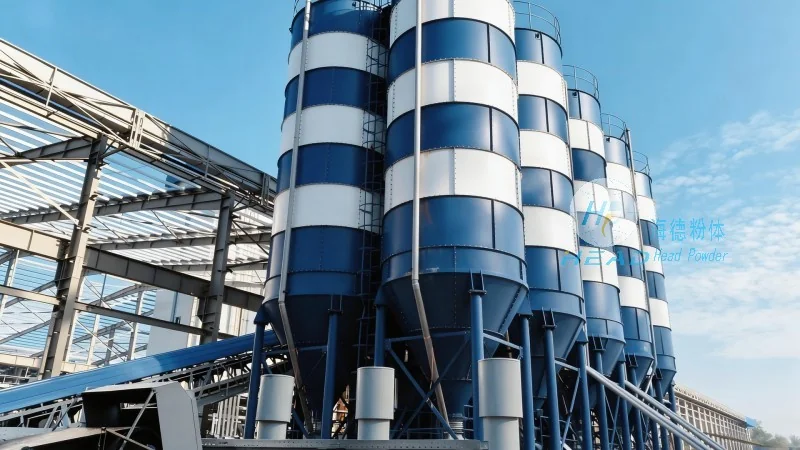
Introduction to Bean Powder Material Pneumatic Conveying Equipment
Bean powder, often used in food processing, pharmaceuticals, and other industries, presents unique challenges when it comes to handling. Its fine particle size and potential for static electricity make traditional methods like bucket elevators or screw conveyors less suitable. Pneumatic conveying equipment, on the other hand, provides a dust-free, low-maintenance alternative that can handle these challenges effectively. The core of this technology is the use of air pressure to move the material through a pipeline system.
Design Principles of Pneumatic Conveying Systems for Bean Powder
The design of a pneumatic conveying system for bean powder involves several key principles that ensure efficient and reliable operation. First, the system must be capable of generating sufficient air velocity to lift and transport the powder particles. This is typically achieved through the use of positive pressure or negative pressure (vacuum) systems. Positive pressure systems use a blower to force air and material through the pipeline, while negative pressure systems use a vacuum to draw material into the system.
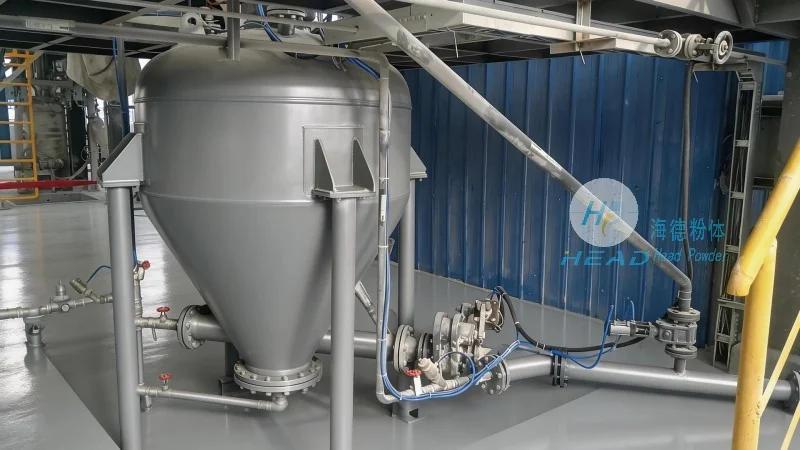
Another critical design consideration is the material of construction. Bean powder can be abrasive and may contain moisture, which can lead to corrosion or wear. Therefore, the equipment is often made from materials like stainless steel, which offers excellent resistance to corrosion and wear. Additionally, the system must be designed to prevent the buildup of static electricity, as this can cause sparks and pose a fire hazard. This is typically achieved through the use of grounding and anti-static materials.
Components of a Typical Bean Powder Pneumatic Conveying System
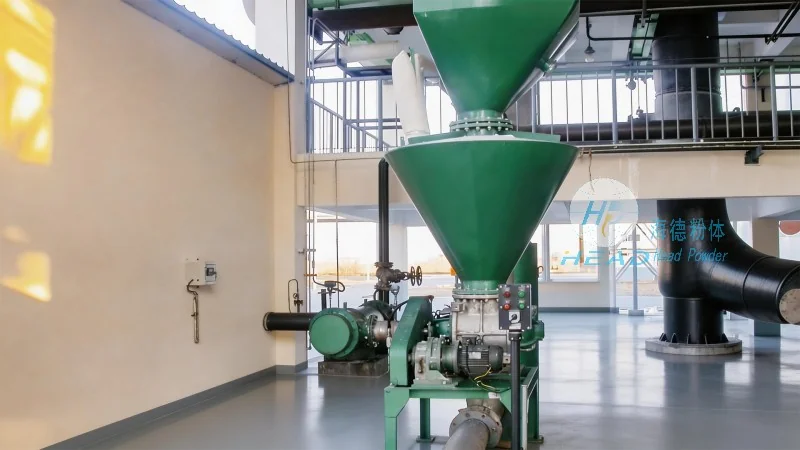
A standard pneumatic conveying system for bean powder consists of several key components. These include a feeder, which is used to introduce the powder into the system, a blower or vacuum pump, which provides the necessary air pressure or vacuum, a pipeline system, which transports the material, and a receiver, which collects the material at the destination. The feeder is typically a rotary valve or a star feeder, which can handle the fine particle size of the bean powder without causing blockages. The blower or vacuum pump is selected based on the required flow rate and pressure drop of the system. The pipeline system is usually made from stainless steel or plastic, and is designed to minimize pressure losses. The receiver is a hopper or tank that collects the material and can be equipped with a discharge valve for easy removal.
Advantages of Using Pneumatic Conveying Equipment for Bean Powder
There are several advantages to using pneumatic conveying equipment for bean powder. First, it offers a dust-free operation, which is essential for maintaining product quality and ensuring worker safety. Unlike mechanical systems, there are no moving parts that can cause dust to be released into the air. Second, the system is low-maintenance, as there are no belts or screws that need to be replaced or lubricated. Third, it provides flexibility in terms of layout, as the pipeline can be routed around obstacles and can be easily expanded or modified. Finally, the system is energy-efficient, as it uses less energy than traditional mechanical systems.
Applications of Bean Powder Pneumatic Conveying Equipment
Bean powder pneumatic conveying equipment is used in a variety of applications across different industries. In the food industry, it is used to transport bean powder from storage silos to processing equipment, such as mixers or extruders. In the pharmaceutical industry, it is used to transport bean powder into mixing tanks or packaging lines. In the chemical industry, it is used to transport bean powder into reactors or storage tanks. The equipment is also used in the agricultural industry to transport bean powder from harvest to processing facilities.
Conclusion
In conclusion, bean powder material pneumatic conveying equipment is a highly effective and efficient solution for transporting fine powders. The design principles of such systems, including the use of air pressure, appropriate materials, and anti-static measures, ensure reliable and safe operation. The components of the system, including the feeder, blower, pipeline, and receiver, work together to provide a flexible and low-maintenance solution for various applications. The advantages of using this equipment, including dust-free operation and energy efficiency, make it a popular choice in many industries. As the demand for fine powders continues to grow, the importance of pneumatic conveying equipment will only increase.