

What is a Light Calcium Material Pneumatic Conveying Equipment? And What Are Its Design Principles?
Light calcium material, also known as precipitated calcium carbonate (PCC), is a widely used industrial filler and additive in various sectors such as plastics, paper, and coatings. The efficient and reliable transport of this material from storage to processing units is crucial for maintaining production efficiency and product quality. Pneumatic conveying equipment offers a solution to this challenge by utilizing air as the conveying medium to move light calcium material through pipelines.
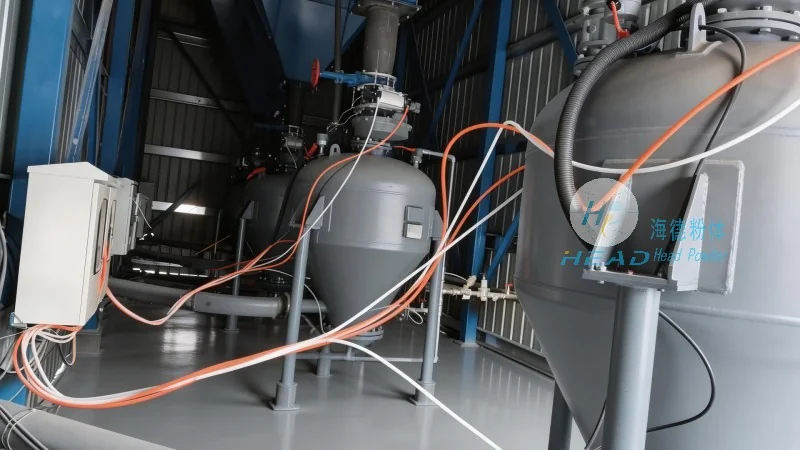
About HeadPowder: A Leading Provider of Pneumatic Conveying Solutions
Shandong HeadPowder Engineering Co., Ltd., commonly known as HeadPowder, is a professional manufacturer and supplier specializing in pneumatic conveying systems. With a strong focus on innovation and quality, HeadPowder has established itself as a trusted partner in the industry, providing customized solutions tailored to the specific needs of clients handling light calcium and other fine powders. The company's headquarters is located in Shandong, China, where it leverages advanced technology and experienced engineering teams to develop cutting-edge equipment.
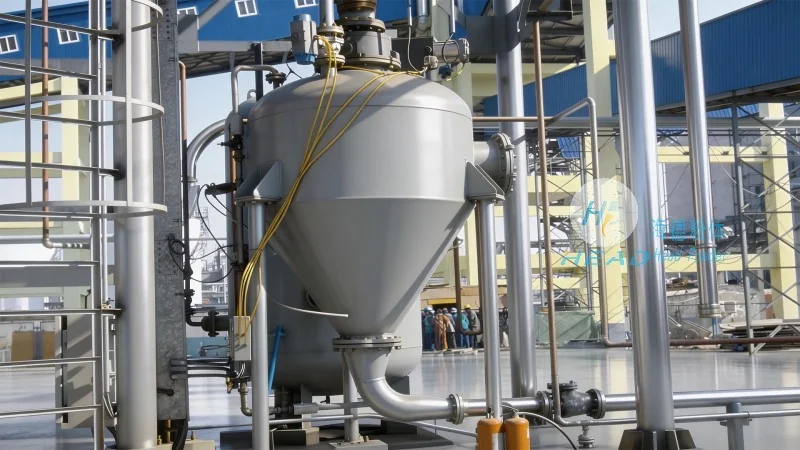
Design Principles of Light Calcium Material Pneumatic Conveying Equipment
The design of a light calcium material pneumatic conveying system involves several key principles to ensure optimal performance, efficiency, and safety. The primary design principle is the selection of an appropriate conveying method, which can be categorized into dilute-phase and dense-phase systems. Dilute-phase systems use high air velocities to transport material in a dispersed state, while dense-phase systems operate at lower velocities with higher material concentration. For light calcium material, which is typically fine and light, dilute-phase conveying is often preferred due to its lower energy consumption and ability to handle long distances. The design also considers factors such as material properties (e.g., particle size, moisture content, and flowability), system layout (e.g., vertical or horizontal pipelines), and the required conveying capacity. HeadPowder engineers carefully evaluate these parameters to design a system that meets the client's operational requirements and ensures smooth material transport.
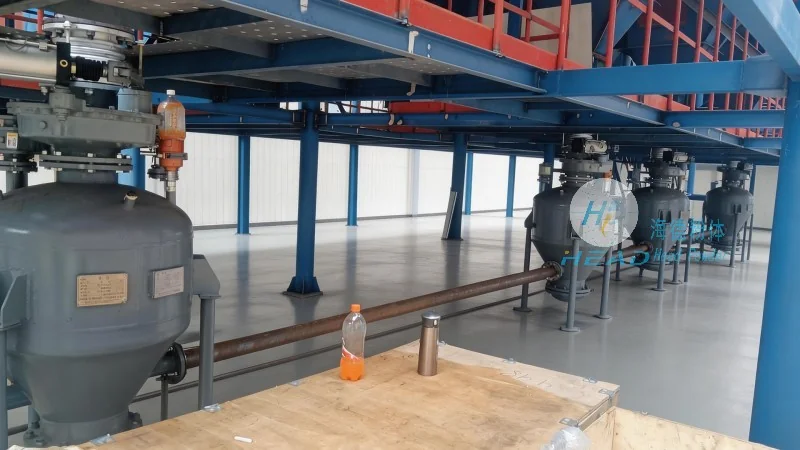
Key Components and Their Functions in the Pneumatic Conveying System
A typical light calcium material pneumatic conveying system consists of several essential components, each playing a critical role in the overall operation. The main components include the material hopper, feeder, air compressor, conveying pipeline, and receiver. The material hopper stores the light calcium material and provides a consistent feed to the feeder. The feeder, often a rotary valve or a screw feeder, controls the flow rate of the material into the pipeline. The air compressor generates the necessary air pressure to move the material through the pipeline. The conveying pipeline, usually made of stainless steel or other corrosion-resistant materials, transports the material and air mixture. The receiver collects the conveyed material and separates it from the air. Each component is designed to handle the specific characteristics of light calcium material, ensuring minimal material degradation and efficient operation.
Advantages of Using Pneumatic Conveying for Light Calcium Material
Compared to traditional conveying methods such as belt conveyors or bucket elevators, pneumatic conveying offers several advantages for light calcium material transport. One of the key advantages is the ability to handle fine and dusty materials without causing dust pollution or material degradation. The enclosed system prevents dust from escaping into the environment, making it more environmentally friendly. Additionally, pneumatic conveying can transport material over long distances with minimal energy consumption and low maintenance requirements. The system is also flexible, allowing for easy integration with existing production lines and the ability to change the conveying route as needed. These advantages make pneumatic conveying an ideal solution for light calcium material handling in various industrial applications.
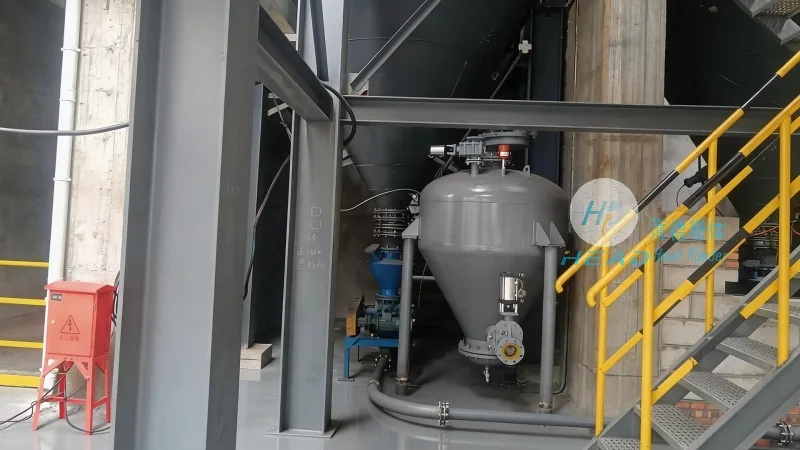
Application Examples and Case Studies
HeadPowder's light calcium material pneumatic conveying equipment has been successfully applied in numerous industrial scenarios. For example, in the plastic industry, the equipment is used to transport light calcium material from storage silos to mixing units, ensuring a consistent and high-quality feed for plastic production. In the paper industry, the system is employed to convey light calcium material to coating machines, improving the surface quality and brightness of paper products. In the coatings industry, the equipment helps in delivering light calcium material to paint production lines, enhancing the durability and performance of coatings. These applications demonstrate the versatility and effectiveness of HeadPowder's pneumatic conveying solutions in handling light calcium material efficiently and reliably.