

What is a Stone Powder Material Pneumatic Conveying Equipment? And What Are Its Design Principles?
For industries dealing with stone powder, efficient material handling is crucial to maintaining productivity and operational efficiency. Pneumatic conveying equipment has emerged as a reliable solution for transporting fine powders like stone powder, offering advantages such as dust-free operation, flexibility in layout, and the ability to handle materials over long distances. This article explores the concept of stone powder material pneumatic conveying equipment and delves into the core design principles that underpin its functionality.
Introduction to Pneumatic Conveying Systems for Stone Powder
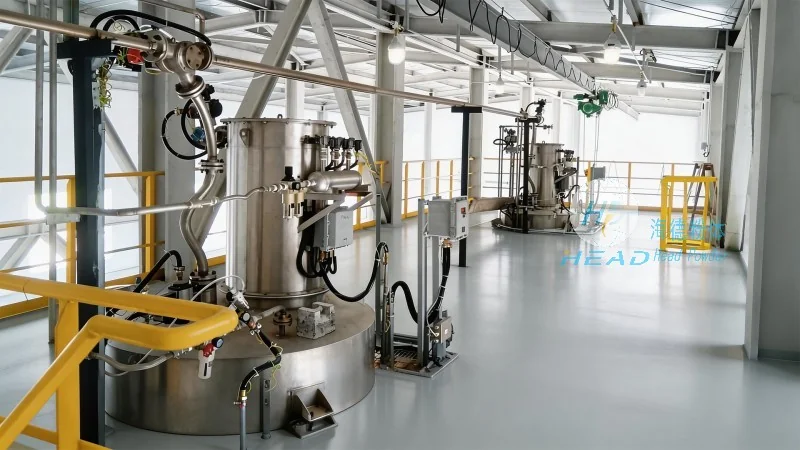
HeadPowder, a leading manufacturer based in Shandong, China, specializes in developing advanced pneumatic conveying solutions tailored for stone powder applications. The company's expertise lies in understanding the unique properties of stone powder—such as its fineness, density, and potential for static charge—and designing equipment that optimizes material transport while minimizing operational challenges. Pneumatic conveying systems utilize air or gas to move powder through a network of pipes, making them ideal for applications where traditional mechanical conveyors may struggle with dust, blockages, or material degradation.
Core Design Principles of Stone Powder Pneumatic Conveying Equipment
The design of a stone powder pneumatic conveying system revolves around several key principles to ensure reliable and efficient operation. First, the system must account for the material's physical characteristics, including particle size distribution, moisture content, and flowability. These factors influence the selection of air velocity, pressure, and pipe diameter to prevent clogging and maintain consistent flow. For instance, finer stone powders may require higher air velocities to achieve proper suspension, while larger particles might need lower velocities to avoid abrasion on the system components.
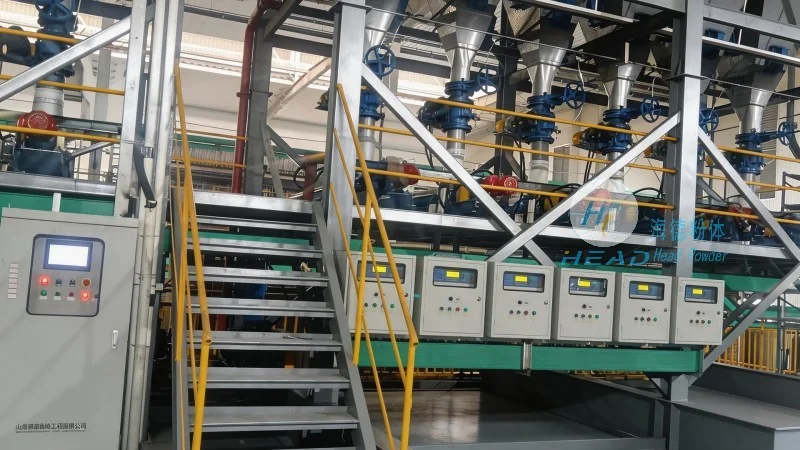
Second, the system's layout and components are designed to minimize pressure drops and energy consumption. This includes optimizing the length and diameter of the conveying lines, selecting appropriate airlocks and feeders, and incorporating features like cyclone separators or filter bags to collect and return excess powder. The design also considers the need for dust control and environmental compliance, as stone powder can be a source of airborne particulates that require proper filtration and handling.
Key Components and Their Functions in Pneumatic Conveying
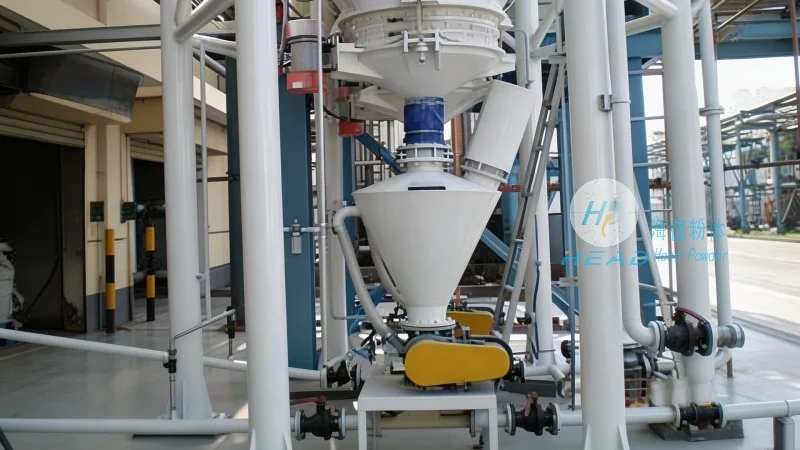
HeadPowder's stone powder pneumatic conveying equipment typically includes several critical components, each playing a vital role in the overall system. The feed hopper is responsible for storing and feeding the stone powder into the system, often equipped with a rotary valve or star feeder to regulate the material flow. The air compressor or blower generates the necessary air pressure to move the powder through the pipes, with the choice of equipment depending on the required pressure and flow rate. The conveying line, usually made of stainless steel or other corrosion-resistant materials, transports the powder-air mixture from the feed point to the discharge point. At the receiving end, a separator or filter separates the powder from the air, allowing the powder to be collected in a storage bin or processing unit, while the air is either recirculated or discharged through a filter.
Advantages of Using Pneumatic Conveying for Stone Powder
Compared to traditional mechanical conveyors, pneumatic conveying offers several advantages for stone powder handling. These include the ability to transport materials over long distances without the need for multiple transfer points, reduced risk of material contamination or degradation due to minimal contact with equipment, and the flexibility to integrate with existing processing lines. Additionally, pneumatic systems can handle a wide range of particle sizes and moisture levels, making them suitable for various stone powder applications, from raw material transport to finished product distribution.
Customization and Application-Specific Solutions
HeadPowder understands that each stone powder application has unique requirements, which is why the company offers customized pneumatic conveying solutions. By working closely with clients, HeadPowder engineers can design systems that address specific challenges, such as high dust generation, abrasive material handling, or space constraints. The company's design process involves thorough analysis of the material properties, operational parameters, and site conditions to ensure the final system meets the client's performance and efficiency goals.
Conclusion and Company Overview
In summary, stone powder material pneumatic conveying equipment is a sophisticated solution for efficient and reliable powder transport in the stone powder industry. The design principles, components, and customization options offered by manufacturers like HeadPowder play a critical role in optimizing material handling processes. With its roots in Shandong, China, HeadPowder continues to innovate and provide high-quality pneumatic conveying systems that enhance productivity and operational safety for stone powder applications worldwide.