With more than 10‑year industry experience, Shandong Headpowder delivers full‑service pneumatic‑conveying systems and blowers, undertaking nationwide turn‑key powder‑handling projects.
Glass fiber material handling systems are specialized equipment designed to transport and manage glass fiber materials efficiently. These systems are crucial in industries such as fiberglass manufacturing, composite production, and construction, where the handling of glass fibers requires precision and control to prevent damage and ensure consistent quality. The design of these systems is tailored to the specific characteristics of glass fibers, including their lightweight, high tensile strength, and tendency to generate static electricity.
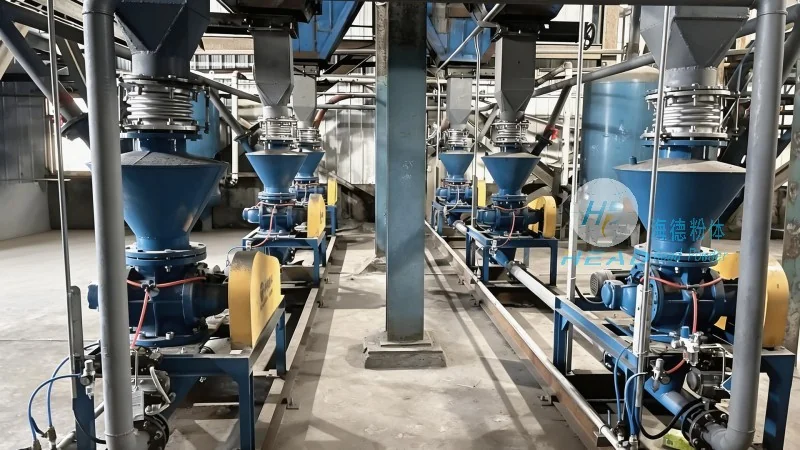
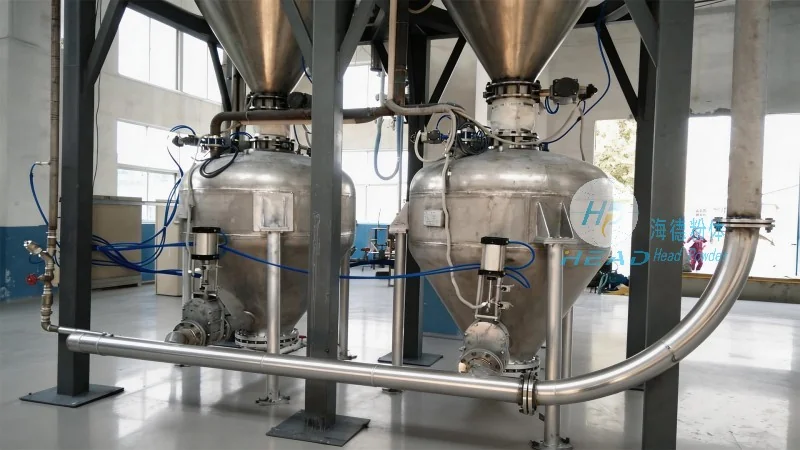
At the core of a glass fiber material handling system are several key components that work in tandem to achieve effective material transport. The primary components include feeders, conveyors, and storage units. Feeders are responsible for uniformly distributing the glass fibers from the source, such as a spool or a bulk container, into the conveyor system. This ensures a steady and controlled flow of material, which is critical for maintaining the integrity of the fibers. Conveyors, typically made of materials like stainless steel or plastic, are designed to handle the delicate nature of glass fibers without causing abrasion or breakage. They may include features like variable speed controls and adjustable tension mechanisms to accommodate different fiber types and handling requirements. Storage units, such as silos or hoppers, are used to store large quantities of glass fibers, providing a buffer for production needs and ensuring a continuous supply to the processing line.
The design principles of glass fiber material handling systems are guided by several critical factors to ensure optimal performance and safety. One of the primary design considerations is the prevention of static electricity buildup. Glass fibers are prone to generating static charges, which can lead to material accumulation, sparks, and even fires in industrial settings. To mitigate this risk, systems often incorporate anti-static materials and grounding mechanisms. For example, conveyor belts may be made of conductive materials, and metal parts are connected to a common ground to dissipate static charges effectively. Another key design principle is the minimization of fiber breakage and contamination. Glass fibers are fragile and can easily be damaged by friction or impact. Therefore, components like rollers and guides are designed with smooth surfaces and rounded edges to reduce abrasion. Additionally, the system may include filtration and cleaning mechanisms to prevent dust and debris from contaminating the fibers, which is essential for maintaining the quality of the final product.
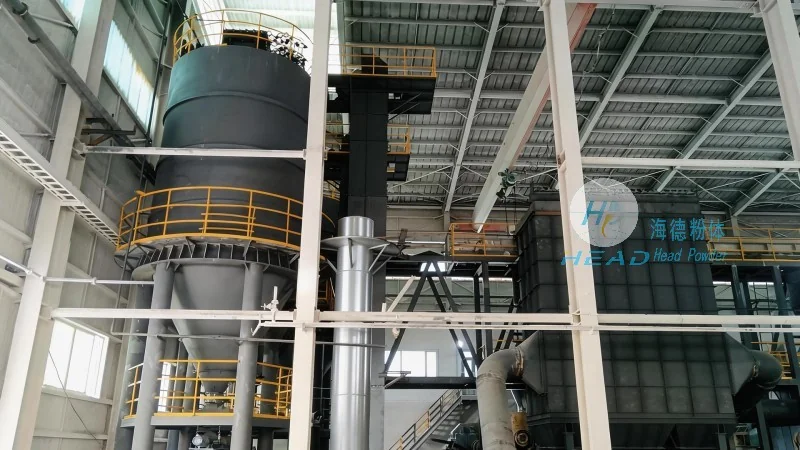
Effective material flow and control are essential for the smooth operation of glass fiber material handling systems. The system must be able to handle varying loads and adjust to changes in production demand. This is achieved through the integration of sensors and control systems that monitor the flow rate, position, and condition of the glass fibers. Sensors, such as photoelectric sensors or load cells, provide real-time data on the material level and flow speed, allowing the control system to adjust the feeder speed or conveyor tension as needed. This dynamic control ensures that the system operates at peak efficiency, minimizing downtime and maximizing productivity. Furthermore, the design of the system must account for the need to handle different types of glass fibers, such as E-glass, S-glass, or aramid fibers, each with distinct properties and handling requirements. The flexibility of the system, including adjustable feed rates and interchangeable components, allows it to adapt to these variations, making it a versatile solution for various applications.
Glass fiber material handling systems are widely used in various industries due to their ability to handle glass fibers efficiently and safely. In the fiberglass manufacturing industry, these systems are used to transport raw glass fibers to the production line, where they are combined with resins and other materials to create composite products. The precision and control offered by these systems ensure that the fibers are evenly distributed, leading to consistent product quality and reduced waste. In the construction industry, glass fiber handling systems are used to transport glass fibers for insulation and reinforcement applications. The ability to handle large quantities of glass fibers in a controlled manner makes these systems ideal for large-scale construction projects. The benefits of using glass fiber material handling systems extend beyond efficiency and safety. These systems also contribute to cost savings by reducing material loss and improving production throughput. Additionally, they enhance worker safety by minimizing the need for manual handling of glass fibers, which can be hazardous due to their fine particles and static charge.
Glass fiber material handling systems are sophisticated pieces of equipment that play a vital role in the efficient and safe handling of glass fibers. Their design is based on principles that address the unique challenges of glass fiber materials, including static electricity, fragility, and contamination. By integrating advanced components and control systems, these systems ensure optimal performance and reliability. Shandong HeadPowder Engineering Co., Ltd., a leading manufacturer based in China, specializes in the design and production of such systems. With a focus on quality and innovation, the company provides tailored solutions to meet the specific needs of its clients. Located in Shandong, China, HeadPowder Engineering Co., Ltd. leverages its expertise to deliver high-performance glass fiber material handling systems that enhance productivity and safety in various industrial applications.

 Shandong Headpowder Engineering Co., Ltd.
 156-6277-7102(Manager Zhang)
  0531-83386006
  Zhangqiu District, Jinan City, Shandong Province, China
telephone
WeChatconsult
top