With more than 10‑year industry experience, Shandong Headpowder delivers full‑service pneumatic‑conveying systems and blowers, undertaking nationwide turn‑key powder‑handling projects.
For industrial operations dealing with bulk materials, especially in sectors like power generation, construction, and waste management, efficient material handling is crucial. One of the key equipment used in this context is the ash tank, which plays a vital role in transporting and managing ash and other similar materials. This article delves into what ash tank material handling entails and explores the underlying design principles that make such systems effective and reliable.
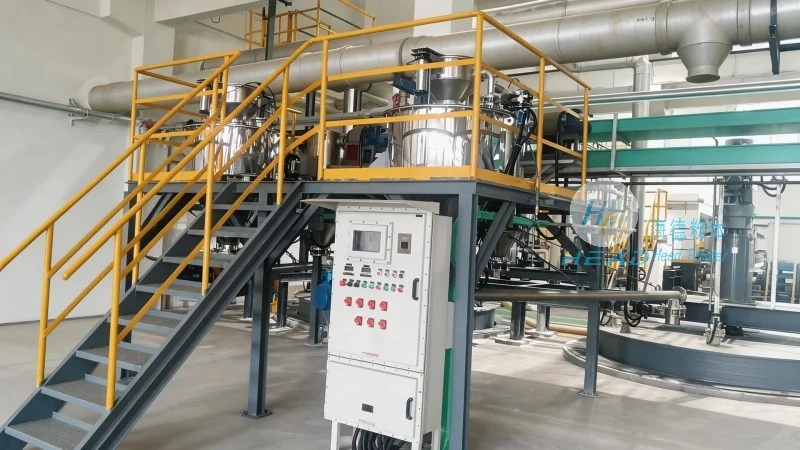
HeadPowder, a leading manufacturer in the field of material handling solutions, specializes in designing and producing high-quality ash tank systems. With a strong commitment to engineering excellence and customer satisfaction, the company has established itself as a trusted partner for businesses seeking reliable equipment for their material handling needs. HeadPowder's operations are based in Shandong, China, where the company leverages advanced technology and skilled expertise to deliver innovative solutions tailored to diverse industrial requirements.
The design of ash tank material handling systems is guided by several critical principles aimed at ensuring optimal performance, safety, and efficiency. These principles are fundamental to the functionality and longevity of the equipment. First, structural integrity is paramount. Ash tanks are typically constructed from robust materials such as carbon steel or stainless steel, depending on the specific application and environmental conditions. The design must withstand the weight of the material, internal pressure, and external forces, ensuring that the tank remains stable and secure during operation. This involves careful consideration of the tank's shape, thickness, and reinforcement, which are tailored to the expected load and operational stresses.
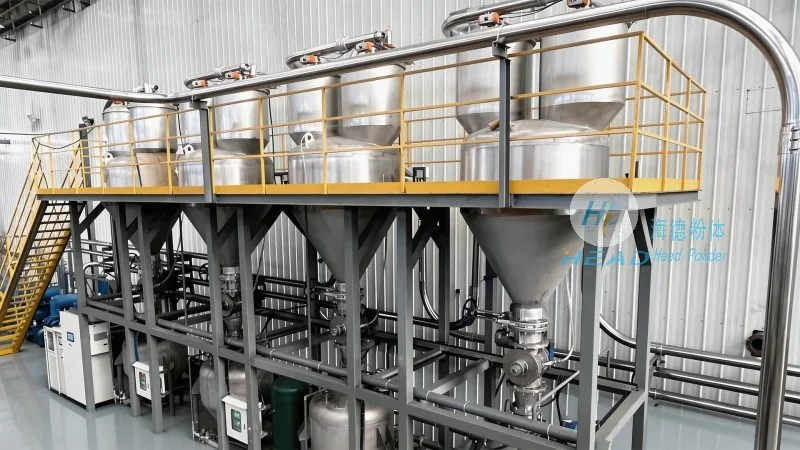
Second, material flow management is a key design consideration. Efficient ash tank systems must facilitate smooth and controlled movement of the material from the source to the discharge point. This is achieved through the integration of components like hoppers, chutes, and conveyor systems. The design of these components is critical, as it directly impacts the flow rate, uniformity, and prevention of blockages. For example, the angle of the hopper and the smoothness of the chute surface are optimized to minimize friction and ensure that the material moves without sticking or clogging. Additionally, the inclusion of vibration or agitator mechanisms may be employed to enhance flow in cases where the material is cohesive or prone to bridging.
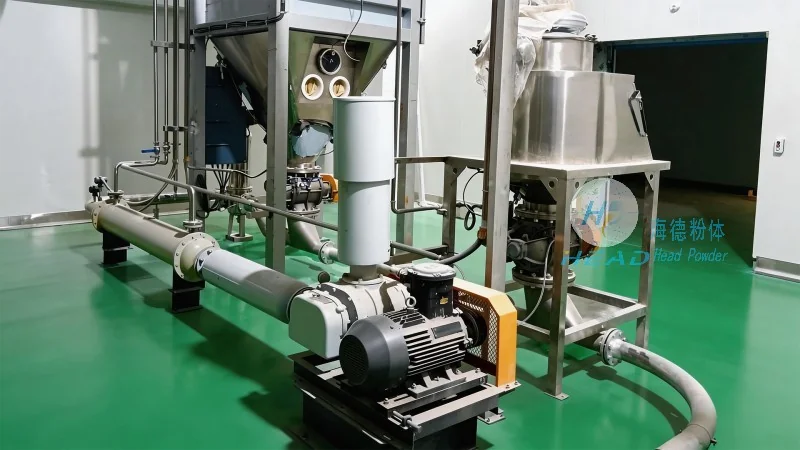
Third, safety and environmental compliance are integral to the design. Ash handling operations often involve hazardous materials or require adherence to strict environmental regulations. Therefore, the design incorporates safety features such as pressure relief valves, explosion-proof components, and proper ventilation systems. These features help mitigate risks associated with material handling, such as dust explosions or material release. Moreover, the design may include measures to minimize dust emissions and ensure that the system operates within regulatory limits, promoting a safe working environment and reducing environmental impact.
Fourth, operational flexibility and adaptability are important design aspects. Modern ash tank systems are often designed to accommodate varying material types and processing requirements. This flexibility is achieved through modular components that can be easily adjusted or replaced as needed. For instance, the tank's capacity can be scaled up or down, and the discharge mechanism can be modified to suit different end-use applications. Such adaptability allows businesses to optimize their material handling processes and respond to changing operational demands without significant capital investment.

 Shandong Headpowder Engineering Co., Ltd.
 156-6277-7102(Manager Zhang)
  0531-83386006
  Zhangqiu District, Jinan City, Shandong Province, China
telephone
WeChatconsult
top