With more than 10‑year industry experience, Shandong Headpowder delivers full‑service pneumatic‑conveying systems and blowers, undertaking nationwide turn‑key powder‑handling projects.
Automatic quantitative material feeding systems are integral to modern industrial processes, particularly in sectors requiring precise and consistent material handling. These systems are engineered to deliver specific quantities of bulk materials with high accuracy and efficiency, ensuring optimal performance in production lines. The core function of such systems is to automate the feeding process, reducing human error and increasing operational consistency. This article explores the fundamental aspects of automatic quantitative material feeding, focusing on its design principles and practical applications.
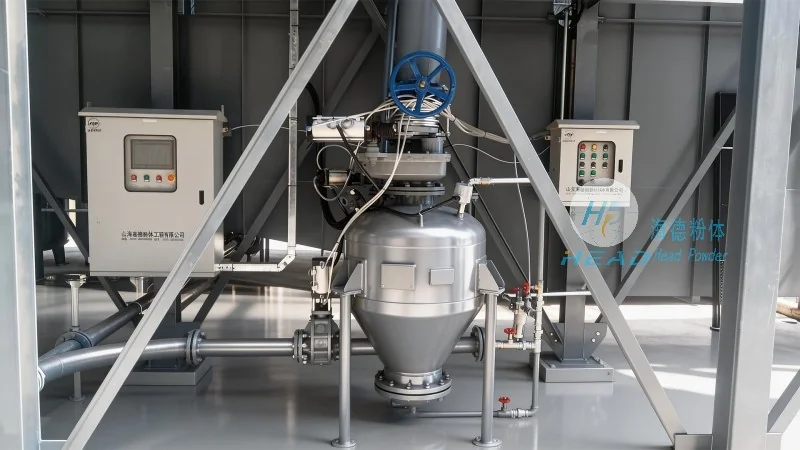
The design of automatic quantitative material feeding systems is built upon several critical components and principles that work in concert to achieve precise material delivery. A typical system includes a hopper or storage container to hold the bulk material, a feeding mechanism (such as a screw feeder, vibratory feeder, or belt feeder), and a control system that regulates the feeding rate. The control system often integrates sensors and feedback mechanisms to adjust the feeding process in real-time, ensuring the output matches the desired quantity. Material flow control is a key design principle, as it directly impacts the accuracy of the feeding operation. Engineers design these systems to minimize variations in material flow, which can be influenced by factors like material density, moisture content, and particle size. By addressing these variables, the system can maintain consistent feeding rates, even with changes in material properties.
The operation of an automatic quantitative material feeding system involves a sequence of steps that ensure precise material delivery. First, the bulk material is stored in a hopper, which is designed to accommodate the material's characteristics, such as bulk density and flowability. The material then flows into the feeding mechanism, which is controlled by the system's software. The control system uses sensors to monitor the material level and flow rate, adjusting the feeding speed as needed. For example, a screw feeder rotates at a specific speed to push material forward, while a vibratory feeder uses vibrations to move material along a path. The system may also incorporate a weighing or volumetric measurement device to verify the quantity being fed. This feedback loop allows the system to self-correct and maintain accuracy, even under varying conditions. The final output is a controlled stream of material that meets the required specifications, ready for the next stage of processing.
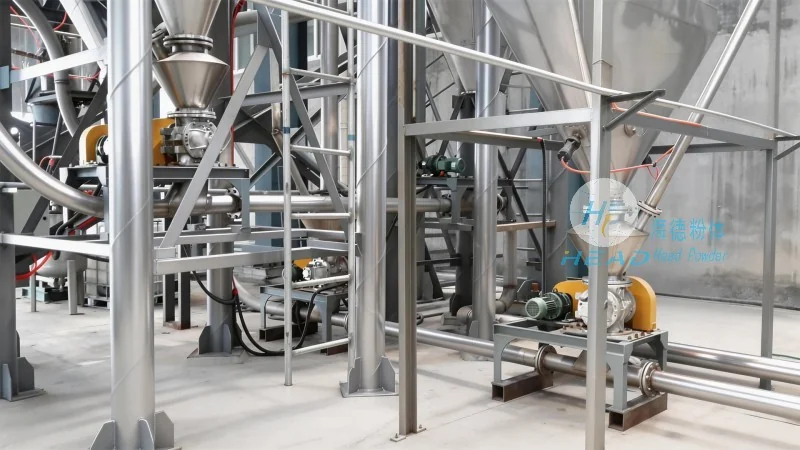
Automatic quantitative material feeding systems find widespread use across various industries, including pharmaceuticals, food processing, chemical manufacturing, and construction. In the pharmaceutical industry, these systems are crucial for ensuring the precise dosing of raw materials, which is essential for maintaining product quality and compliance with regulatory standards. In food processing, they help in accurately measuring ingredients for recipes, enhancing consistency in product taste and texture. Chemical manufacturers rely on these systems to control the addition of reagents, preventing over or under-dosing that could affect reaction outcomes. Construction industries use them for feeding aggregates and other bulk materials into mixing plants, ensuring uniform concrete or mortar composition. The versatility of these systems makes them indispensable in any process where material accuracy is paramount.
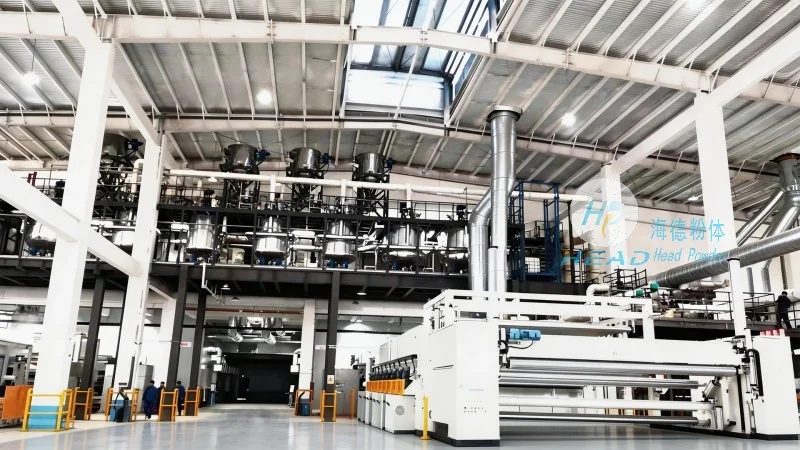
Adopting automatic quantitative material feeding systems offers numerous advantages over traditional manual or semi-automated feeding methods. One of the primary benefits is improved accuracy and consistency. Automated systems can deliver material quantities with a high degree of precision, reducing the variability that often occurs with manual feeding. This leads to better product quality and reduced waste, as excess material is minimized. Additionally, these systems enhance operational efficiency by automating the feeding process, freeing up human resources for other tasks. They also improve safety in the workplace by eliminating the need for manual handling of heavy or hazardous materials. The ability to integrate with other production systems, such as batching or mixing equipment, further enhances overall process efficiency. Over time, the investment in such systems can lead to significant cost savings through reduced material waste, lower labor costs, and increased production throughput.
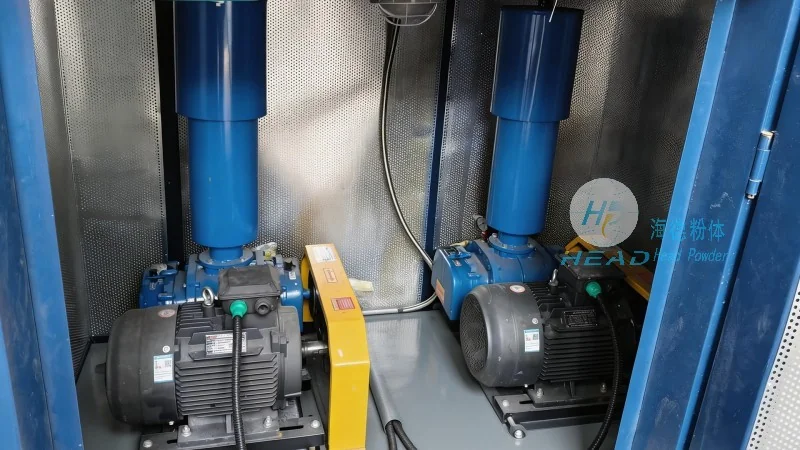
Designing an effective automatic quantitative material feeding system requires careful consideration of several factors to ensure optimal performance. Material properties are a critical consideration, as different materials have varying flow characteristics. Engineers must select the appropriate feeding mechanism based on the material's bulk density, angle of repose, and cohesive properties. For example, cohesive materials like clay may require a vibratory feeder to overcome sticking, while free-flowing materials like sand can be handled by a screw feeder. The system's control strategy also plays a vital role. Advanced control systems use algorithms to adapt to changes in material conditions, ensuring consistent performance. Additionally, the system's integration with the overall production line is important. It should be designed to interface seamlessly with other equipment, such as conveyors or mixers, to maintain a smooth workflow. Maintenance and reliability are also key design considerations. Systems should be built with durable components and easy-to-access maintenance points to minimize downtime. By addressing these design aspects, manufacturers can develop feeding systems that meet their specific operational needs and deliver reliable performance.
Automatic quantitative material feeding systems represent a cornerstone of modern industrial automation, providing the precision and efficiency required for high-quality production. By understanding the design principles and components of these systems, manufacturers can optimize their operations and achieve consistent results. The integration of advanced control systems and material flow management ensures that these systems can adapt to various industrial applications, from pharmaceuticals to construction. As industries continue to demand higher standards of quality and efficiency, the role of automatic quantitative material feeding will only become more critical. Companies like Shandong HeadPowder Engineering Co., Ltd., with their expertise in engineering such systems, play a vital role in supporting industrial growth by providing reliable and accurate material handling solutions. The continued development and adoption of these systems will undoubtedly contribute to the advancement of manufacturing processes worldwide.

 Shandong Headpowder Engineering Co., Ltd.
 156-6277-7102(Manager Zhang)
  0531-83386006
  Zhangqiu District, Jinan City, Shandong Province, China
telephone
WeChatconsult
top