With more than 10‑year industry experience, Shandong Headpowder delivers full‑service pneumatic‑conveying systems and blowers, undertaking nationwide turn‑key powder‑handling projects.
Graphite powder conveying equipment is a specialized system designed to handle the transportation of graphite powder, a material widely used in various industrial applications due to its unique properties such as high thermal conductivity, electrical conductivity, and chemical stability. The efficient and reliable operation of these systems is crucial for industries that rely on graphite in their production processes, including battery manufacturing, lubricants, and refractory materials. This article aims to explore the fundamental aspects of graphite powder conveying equipment, focusing on its design principles and the key components that ensure optimal performance.
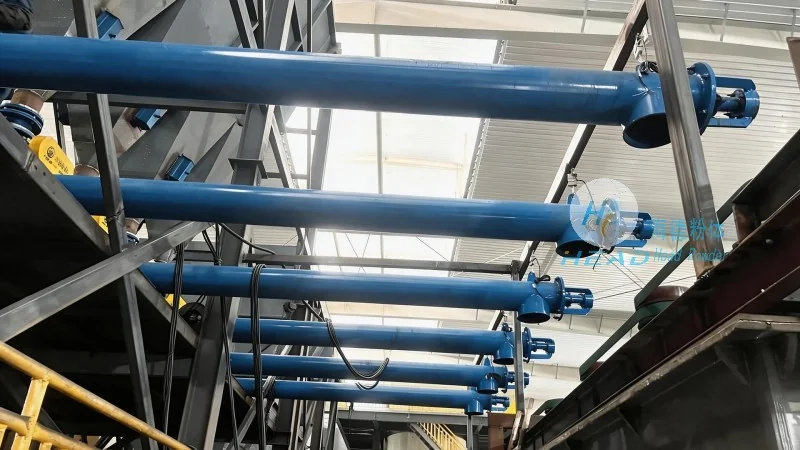
HeadPowder, a leading manufacturer based in Shandong, China, specializes in the development and production of advanced powder handling solutions. With a strong commitment to quality and innovation, the company has established itself as a trusted partner for businesses seeking reliable equipment for handling graphite and other fine powders. HeadPowder's expertise lies in designing customized conveying systems that meet the specific requirements of each client, ensuring efficiency, safety, and durability in demanding industrial environments.
The design of graphite powder conveying equipment is guided by several critical principles to ensure effective and safe operation. One of the primary considerations is the material's characteristics, particularly its tendency to agglomerate and create dust, which can lead to blockages and health hazards. To address this, equipment designers incorporate features such as air seals, dust collection systems, and specialized liners to prevent material buildup and maintain a clean working environment. Additionally, the equipment must be constructed from materials that are resistant to corrosion and wear, as graphite can be abrasive and may react with certain chemicals.
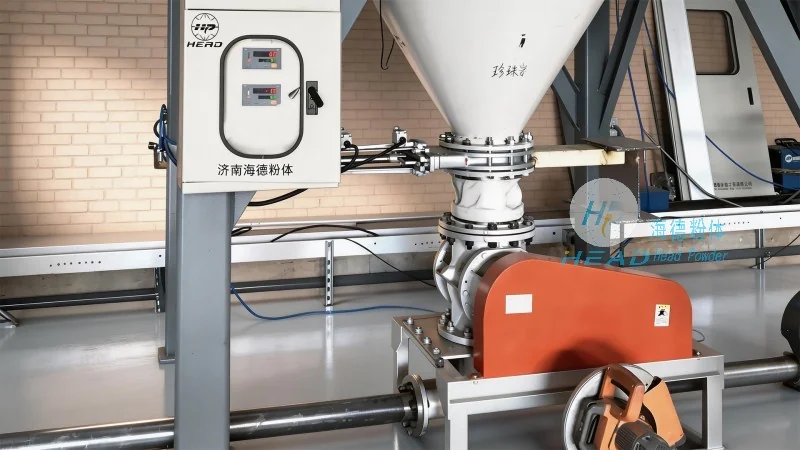
Another key design principle is the selection of appropriate conveying methods. Common techniques include pneumatic conveying, where compressed air is used to transport the powder through a pipeline, and mechanical conveying, such as screw conveyors or belt conveyors, which are suitable for larger volumes or when air quality is a concern. The choice of method depends on factors like the powder's properties, the required conveying distance, and the desired level of automation. For graphite powder, pneumatic conveying is often preferred due to its ability to handle fine particles and minimize material degradation.
Graphite powder conveying equipment typically consists of several interconnected components, each playing a vital role in the overall system. The main components include a hopper for material storage, a feeder to control the flow rate, a conveying line (either pneumatic or mechanical), and a receiver for the discharged material. The hopper is designed with a sloped bottom to prevent material bridging and ensure consistent feeding. The feeder, often a rotary valve or a screw feeder, regulates the amount of powder entering the conveying line, preventing overloading and maintaining a steady flow.
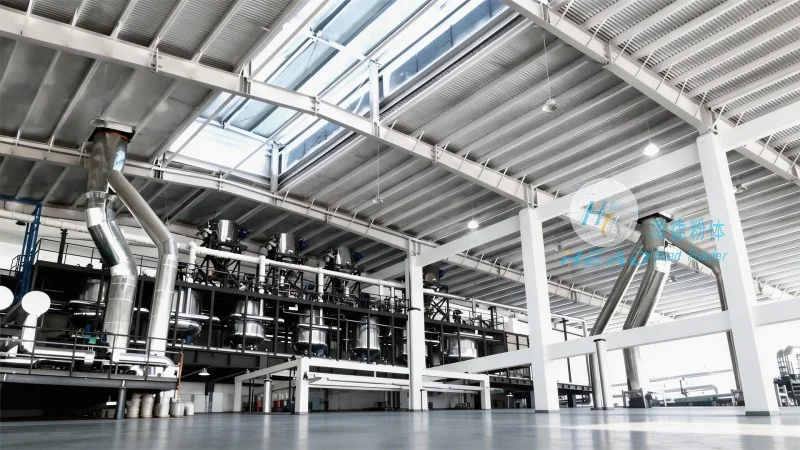
The conveying line is the core of the system, responsible for transporting the powder from the feeder to the receiver. In pneumatic systems, this line is equipped with airlocks and filters to prevent dust leakage and maintain air quality. The line may also include expansion joints and bends to accommodate changes in direction and reduce pressure losses. For mechanical systems, the conveyor may feature a sealed housing to contain the powder and prevent contamination. The receiver, typically a hopper or a storage tank, collects the material and can be equipped with a discharge valve for further processing.
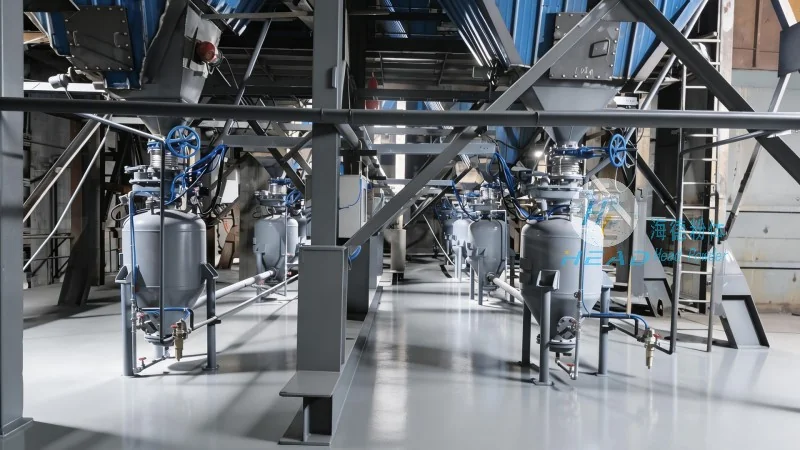
Graphite powder conveying equipment is widely used across various industries, contributing to the efficient production of products that rely on graphite. In the battery industry, for example, these systems are essential for transporting graphite powder used in lithium-ion batteries, ensuring consistent quality and reducing downtime. In the lubricant manufacturing sector, the equipment helps in handling graphite additives, which enhance the performance of lubricants by improving their thermal stability and wear resistance. Additionally, in the refractory industry, graphite powder is used to produce high-temperature-resistant materials, and the conveying equipment ensures that the powder is delivered to the production line without loss or contamination.
The impact of these systems extends beyond individual applications, as they contribute to overall operational efficiency and safety in industrial settings. By minimizing material waste and reducing the risk of dust exposure, graphite powder conveying equipment helps companies comply with environmental regulations and improve worker safety. Moreover, the reliability of these systems reduces maintenance costs and increases production uptime, making them a valuable investment for businesses that rely on consistent and high-quality material handling.

 Shandong Headpowder Engineering Co., Ltd.
 156-6277-7102(Manager Zhang)
  0531-83386006
  Zhangqiu District, Jinan City, Shandong Province, China
telephone
WeChatconsult
top