With more than 10‑year industry experience, Shandong Headpowder delivers full‑service pneumatic‑conveying systems and blowers, undertaking nationwide turn‑key powder‑handling projects.
When it comes to industrial material handling, especially for bulk materials like dry lime, the choice of conveying system can significantly impact operational efficiency, safety, and cost-effectiveness. Dry lime pneumatic conveying is a specialized method that uses air or gas to transport dry lime from one location to another. This technology is widely adopted in various industries due to its ability to handle dusty or corrosive materials while minimizing the risk of contamination and spillage. In this article, we will explore what dry lime pneumatic conveying entails and delve into the fundamental design principles that make it an effective solution for material transport.
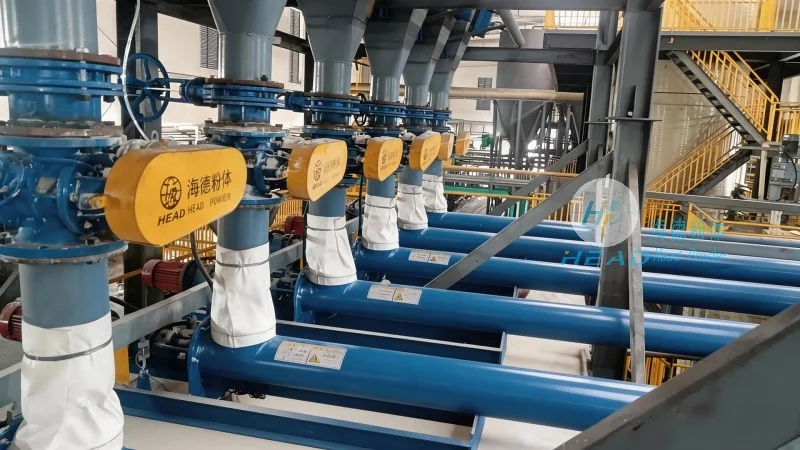
Dry lime, also known as quicklime or calcium oxide, is a common industrial material used in processes such as flue gas desulfurization, water treatment, and chemical manufacturing. Conveying dry lime efficiently and safely is crucial for maintaining production continuity and ensuring compliance with environmental regulations. Pneumatic conveying systems offer a non-contact method of transporting dry lime, which is particularly advantageous when dealing with materials that are prone to clumping or have abrasive properties. The core concept of dry lime pneumatic conveying involves creating a flow of air or gas that carries the dry lime particles through a pipeline network. This method eliminates the need for mechanical components like belts or buckets, reducing maintenance requirements and enhancing operational reliability.
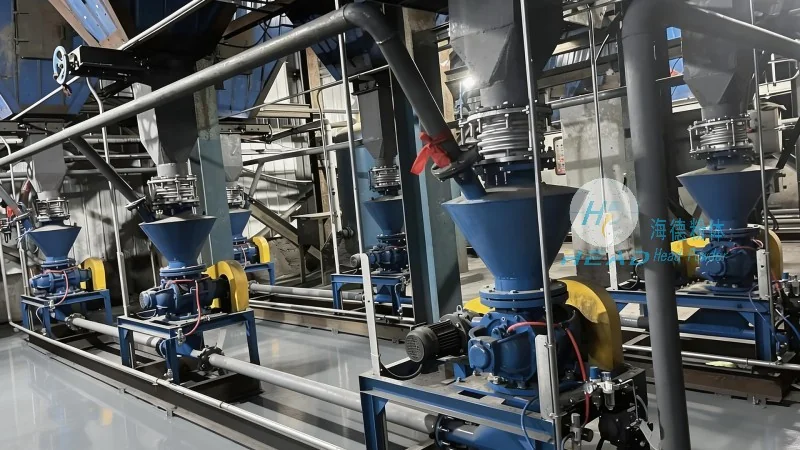
The effectiveness of a dry lime pneumatic conveying system is determined by several key design principles that ensure optimal performance and longevity. These principles are tailored to the specific characteristics of dry lime, such as its density, particle size distribution, and flowability. The first principle is the selection of the appropriate conveying medium—typically air or a combination of air and a secondary gas. The velocity of the conveying medium must be sufficient to overcome the resistance of the dry lime particles and maintain a stable flow. This velocity is often referred to as the "minimum conveying velocity," which is calculated based on the material's properties and the system's configuration. Another critical design principle is the system's pressure or vacuum level. Positive pressure systems use compressed air to push the dry lime through the pipeline, while negative pressure (or vacuum) systems use suction to draw the material. The choice between positive and negative pressure depends on factors like the distance to be covered, the height of the lift, and the need to prevent dust emissions. The pipeline design is also a crucial aspect, as it must be constructed from materials that are resistant to corrosion and abrasion caused by the dry lime particles. Common materials include stainless steel, carbon steel with protective coatings, or specialized plastics. The pipeline layout should minimize bends and changes in direction to reduce pressure losses and prevent particle deposition. Additionally, the system incorporates components like airlocks, cyclones, and filters to control the flow and separate the dry lime from the conveying medium. These components are essential for maintaining the purity of the dry lime and preventing dust contamination in the surrounding environment.
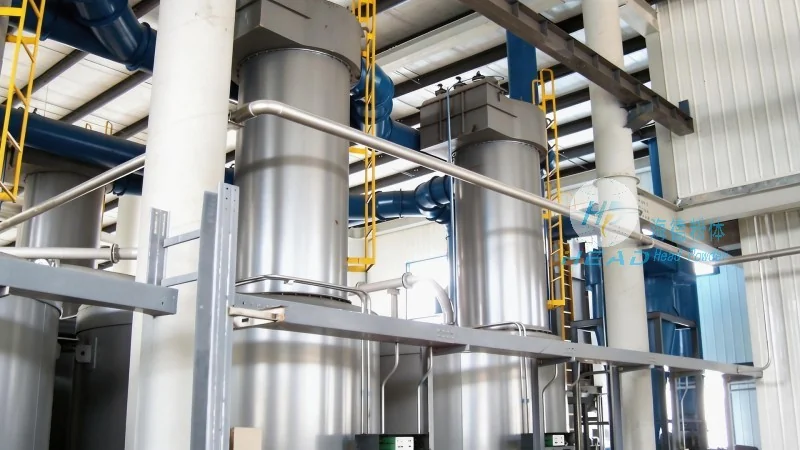
Every dry lime pneumatic conveying system consists of several interconnected components, each playing a vital role in the overall operation. The primary components include the material feed hopper, the conveying line, the air or gas source, and the receiving hopper. The material feed hopper is responsible for storing and feeding the dry lime into the system. It is typically equipped with a rotary valve or a star feeder to ensure a consistent and controlled flow of material. The conveying line, made of durable materials, transports the dry lime and the conveying medium. The air or gas source, such as a blower or a vacuum pump, provides the necessary pressure or vacuum to move the material through the pipeline. The receiving hopper collects the dry lime at the destination point, often equipped with a discharge valve to control the outflow. Airlocks are used at the inlet and outlet of the conveying line to prevent the backflow of air and maintain the integrity of the material flow. Cyclones are installed to separate the dry lime particles from the conveying medium, allowing the air to be recycled or vented safely. Filters are also used to capture any fine particles that may escape the cyclone, ensuring compliance with environmental regulations and maintaining the quality of the dry lime. The selection and configuration of these components are critical to the system's performance and efficiency. For example, the size of the cyclone and the type of filter can significantly impact the recovery rate of the dry lime and the overall system efficiency. Proper maintenance of these components is also essential to prevent downtime and ensure long-term reliability.

 Shandong Headpowder Engineering Co., Ltd.
 156-6277-7102(Manager Zhang)
  0531-83386006
  Zhangqiu District, Jinan City, Shandong Province, China
telephone
WeChatconsult
top