With more than 10‑year industry experience, Shandong Headpowder delivers full‑service pneumatic‑conveying systems and blowers, undertaking nationwide turn‑key powder‑handling projects.
Flour dust pneumatic conveying is a specialized method used in the food processing industry to transport fine powders like flour efficiently and safely. This technology utilizes air pressure to move the material through a system of pipes, eliminating the need for mechanical components that might cause contamination or damage to the delicate powder. As a leading provider in the field, Shandong HeadPowder Engineering Co., Ltd. specializes in designing and manufacturing such systems tailored to the unique needs of flour and similar dust applications.
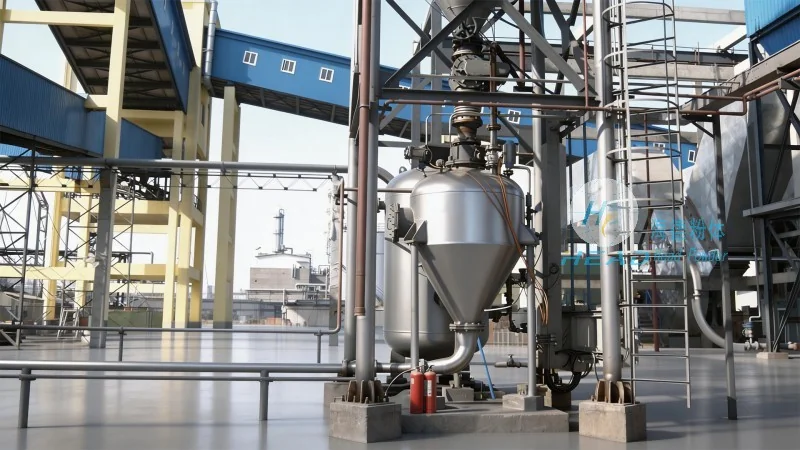
Pneumatic conveying systems operate on the principle of using air to create a flow of material. There are two main types: dilute phase and dense phase. Dilute phase systems use high velocity air to move the powder, while dense phase systems use lower velocity air with higher pressure to move the material in a more controlled manner. For flour dust, dilute phase systems are often preferred due to their ability to handle fine powders without causing excessive wear or clogging. The system typically includes a hopper, a blower or compressor, a pipeline network, and a receiver. The hopper holds the flour, the blower provides the necessary air pressure, the pipeline transports the flour, and the receiver collects the material at the destination.
The design of a flour dust pneumatic conveying system must consider several critical factors to ensure optimal performance and reliability. First, the system must be designed to handle the specific characteristics of flour dust, such as its particle size, moisture content, and flowability. The pipeline diameter and length are carefully calculated to maintain the required air velocity, which is crucial for preventing clogging and ensuring consistent flow. The blower or compressor must be selected based on the system's capacity and the specific conveying distance. Additionally, the system must incorporate features to prevent dust accumulation and maintain air quality, as flour dust can be a health hazard if not properly managed. The design also considers the need for easy maintenance and cleaning, as flour dust can adhere to surfaces and cause blockages over time.
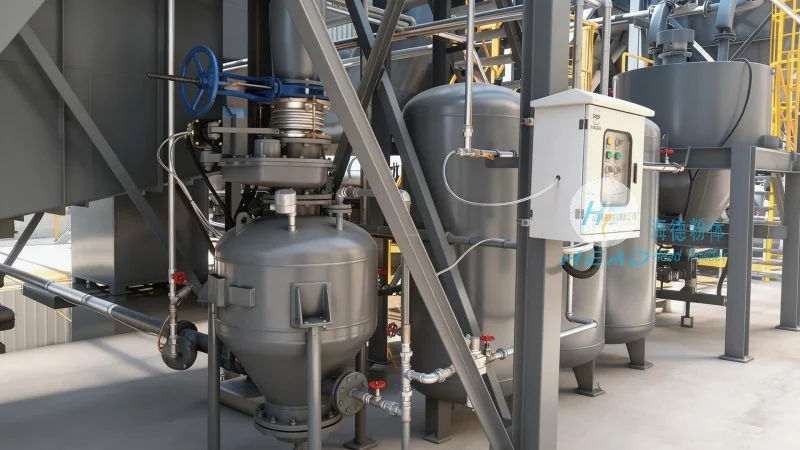
Several key components make up a flour dust pneumatic conveying system. The hopper is the storage vessel that holds the flour, typically made of stainless steel to prevent contamination and corrosion. The blower or compressor is the heart of the system, providing the necessary air pressure to move the material. It can be a positive displacement blower or a centrifugal fan, depending on the system's requirements. The pipeline network consists of straight sections and fittings such as elbows, tees, and reducers, all designed to minimize pressure loss and maintain the air flow. The receiver is the collection vessel at the end of the pipeline, where the flour is deposited. It is often equipped with a filter or cyclone to separate any remaining air from the flour and return it to the system for reuse. The control system manages the operation of the blower, valves, and other components, ensuring smooth and efficient operation.
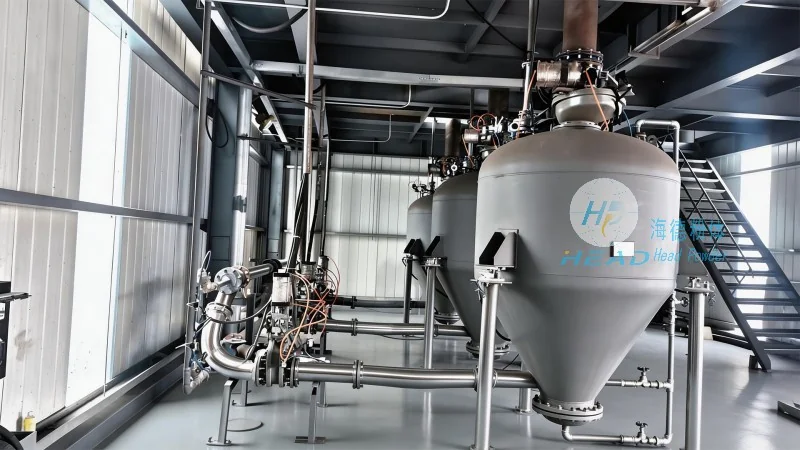
Flour dust pneumatic conveying is widely used in various applications within the food processing industry. It is commonly employed in flour mills, bakeries, and food manufacturing plants to transport flour from storage to processing equipment, such as mixers, ovens, and packaging lines. The system is also used in the transportation of other fine powders, such as sugar, cocoa, and spices. The benefits of using pneumatic conveying for flour dust include improved safety by eliminating manual handling of powders, reduced labor costs, and increased efficiency by automating the material transport process. Additionally, the system can help maintain the quality of the flour by preventing contamination from external sources and reducing the risk of dust explosions. The design of the system can also be customized to meet specific production requirements, such as varying production rates or conveying distances.
HeadPowder Engineering Co., Ltd. is a professional manufacturer and supplier of pneumatic conveying systems, with a focus on flour dust applications. The company is headquartered in Shandong, China, and has a team of experienced engineers and technicians dedicated to providing high-quality solutions for the food processing industry. HeadPowder specializes in designing and manufacturing custom pneumatic conveying systems that meet the specific needs of its clients. The company's products are known for their reliability, efficiency, and durability, and are used by many leading food processing companies worldwide. HeadPowder is committed to providing excellent customer service and support, ensuring that its clients receive the best possible solutions for their material handling needs. With years of experience in the industry, HeadPowder is a trusted partner for businesses looking to improve their flour dust handling processes.

 Shandong Headpowder Engineering Co., Ltd.
 156-6277-7102(Manager Zhang)
  0531-83386006
  Zhangqiu District, Jinan City, Shandong Province, China
telephone
WeChatconsult
top