With more than 10‑year industry experience, Shandong Headpowder delivers full‑service pneumatic‑conveying systems and blowers, undertaking nationwide turn‑key powder‑handling projects.
HeadPowder, a leading provider in the field of material handling solutions, specializes in the design and implementation of pneumatic conveying systems tailored for small particle materials. This article delves into the fundamental principles behind such systems, highlighting the technology's efficiency and versatility in industrial applications.
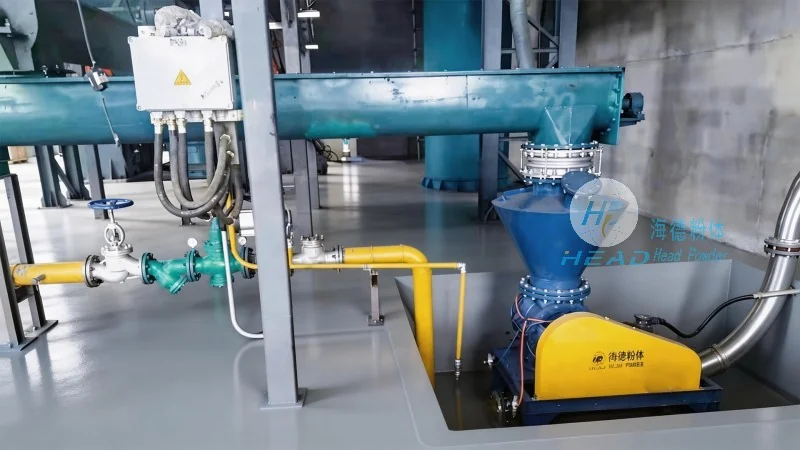
Pneumatic conveying systems utilize air or gas as the medium to transport solid materials through a pipeline. For small materials, which often present unique challenges such as high dust content, low bulk density, or abrasive properties, specialized designs are essential to ensure reliable and efficient operation. The core principle involves creating a flow of air that entrains the particles, moving them from the source to the destination without the need for mechanical components like belts or buckets.
The effectiveness of a small material pneumatic conveying system depends on several critical components, each playing a vital role in the overall process. The primary components include:
1. Feed Hopper and Metering Device: This component is responsible for feeding the small particles into the system at a controlled rate. For fine materials, a rotary valve or a vibratory feeder is commonly used to prevent blockages and ensure a steady flow. The metering device helps maintain consistent material delivery, which is crucial for maintaining system performance and preventing surges or drops in material flow.
2. Air Supply Unit: This unit generates the necessary air pressure or vacuum to create the conveying flow. It typically includes a blower or a vacuum pump, along with air treatment equipment such as filters and dryers to ensure the air quality is suitable for the material being transported. The air supply must be capable of generating sufficient velocity to entrain the particles, which is determined by the material's properties and the desired conveying distance.
3. Conveying Pipeline: The pipeline is the main pathway for transporting the material. For small particles, flexible or rigid pipes are used, depending on the application. The pipe diameter and length are carefully selected to minimize pressure drop and ensure the air velocity remains above the minimum required to prevent particle deposition. Special attention is given to the pipe's material to prevent corrosion or wear from the small, often abrasive particles.
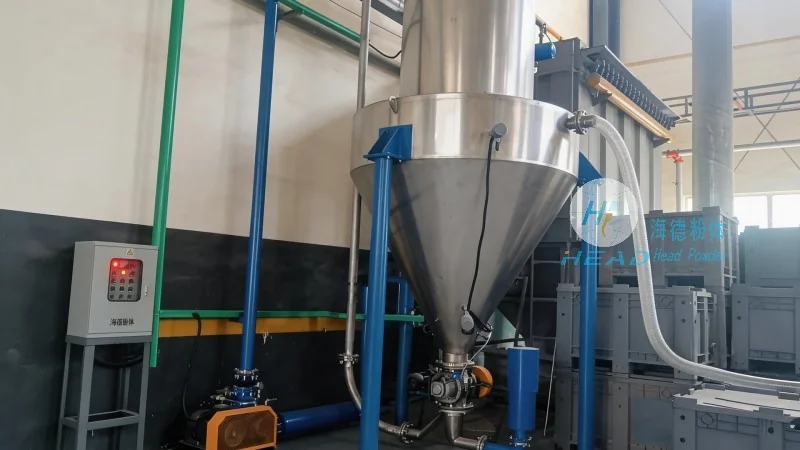
4. Separation and Collection System: At the receiving end, the system must separate the material from the air. This is typically achieved using a cyclone separator or a bag filter. The separator removes the bulk of the particles from the air stream, while the filter captures any remaining fine dust. The collected material is then discharged into a receiving hopper or container. This step is critical for maintaining air quality and preventing material loss.
The operation of a small material pneumatic conveying system follows a systematic process. Initially, the feed hopper supplies the small particles to the metering device. The metering device then releases the material into the conveying pipeline as the air flow from the blower or vacuum pump is established. The air, moving at a high velocity, entrains the particles, forming a dense phase or dilute phase flow depending on the system design. The particles are carried along the pipeline until they reach the separation system, where they are separated from the air and collected.
In pressure-type systems, the air is supplied under pressure, pushing the material through the pipeline. In vacuum-type systems, the air is drawn from the receiving end, creating a suction that pulls the material from the source. The choice between pressure and vacuum depends on factors such as the distance to be covered, the material's properties, and the system's layout. For small materials, vacuum systems are often preferred as they can handle longer distances and are less affected by vertical elevation changes.
Implementing a pneumatic conveying system for small materials offers several advantages over traditional mechanical conveying methods. These benefits include:
1. Reduced Mechanical Wear: Unlike belt or screw conveyors, pneumatic systems have no moving parts that come into direct contact with the material. This eliminates the risk of mechanical wear and reduces maintenance costs, especially for abrasive small particles.
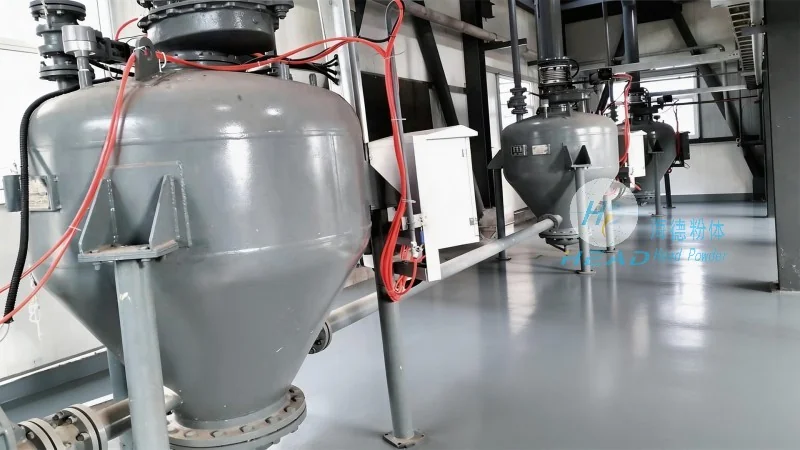
2. Improved Hygiene and Cleanliness: The enclosed pipeline design prevents dust from escaping into the environment, making it ideal for industries such as food, pharmaceuticals, and chemicals where contamination control is paramount.
3. Flexibility in Layout: Pneumatic systems can be easily reconfigured to accommodate changes in production processes or facility layouts. The flexible pipes allow for curved or vertical sections, providing greater design flexibility compared to rigid mechanical conveyors.
4. Efficient Material Handling: By maintaining a consistent air velocity, the system ensures that small particles are transported efficiently over long distances with minimal pressure drop. This results in higher throughput and lower energy consumption compared to other methods.
Small material pneumatic conveying systems are widely used across multiple industries due to their adaptability and efficiency. Some common applications include:
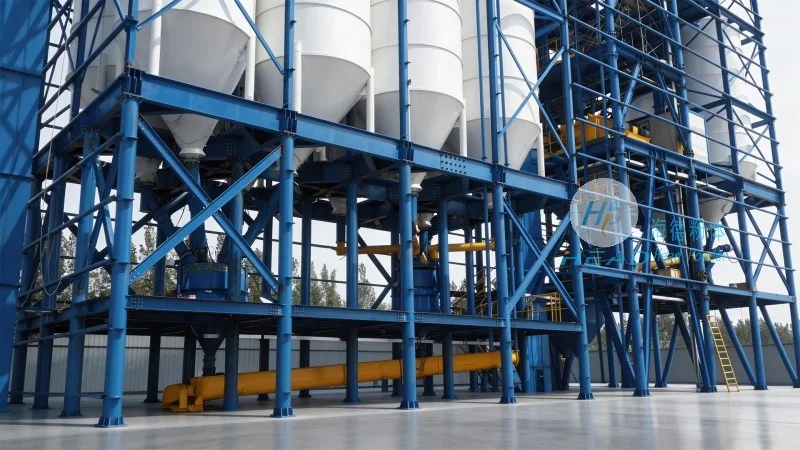
1. Chemical Industry: Transporting fine powders such as pigments, catalysts, and chemicals in manufacturing processes. The systems help maintain product purity and prevent contamination.
2. Food and Beverage Industry: Handling ingredients like flour, sugar, and spices in food processing plants. The enclosed design ensures food safety and compliance with hygiene standards.
3. Pharmaceutical Industry: Conveying active pharmaceutical ingredients (APIs) and excipients in pharmaceutical manufacturing. The systems are designed to meet stringent cleanliness and contamination control requirements.
4. Plastics and Rubber Industry: Transporting fine powders like plastic resins and rubber additives in processing facilities. The systems help maintain product quality and reduce dust-related hazards.
Small material pneumatic conveying systems represent a sophisticated and efficient solution for transporting fine particles in various industrial applications. By leveraging the principles of air flow and particle entrainment, these systems offer advantages such as reduced wear, improved hygiene, and flexible layout options. As a leading provider, Shandong HeadPowder Engineering Co., Ltd. specializes in designing and implementing customized pneumatic conveying solutions that meet the specific needs of clients, ensuring reliable and efficient material handling for small particle materials.

 Shandong Headpowder Engineering Co., Ltd.
 156-6277-7102(Manager Zhang)
  0531-83386006
  Zhangqiu District, Jinan City, Shandong Province, China
telephone
WeChatconsult
top