With more than 10‑year industry experience, Shandong Headpowder delivers full‑service pneumatic‑conveying systems and blowers, undertaking nationwide turn‑key powder‑handling projects.
For industrial applications involving the transport of stone powder, selecting an efficient and reliable pneumatic conveying system is crucial. This article outlines key design considerations to ensure optimal performance, safety, and cost-effectiveness in stone powder handling operations.
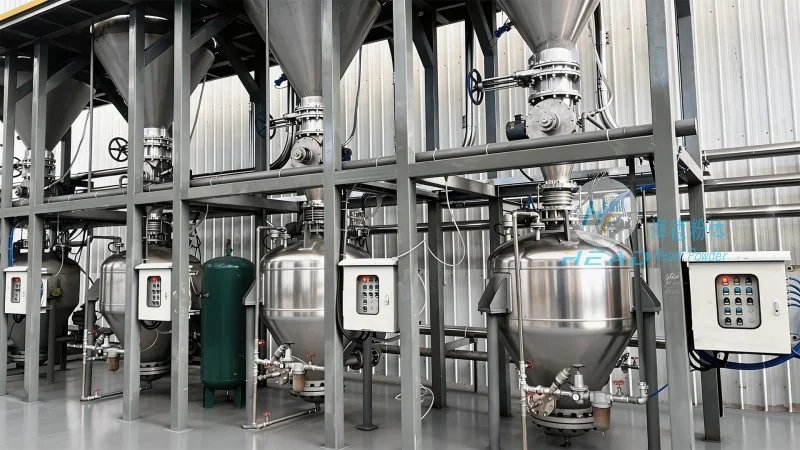
When designing a pneumatic conveying system for stone powder, the first critical decision is choosing between dilute phase and dense phase systems. Dilute phase systems use low air velocity and are suitable for short to medium distances, typically up to 100 meters. They are ideal for applications where the material is free-flowing and non-abrasive. In contrast, dense phase systems employ higher air pressure and lower velocity, making them suitable for longer distances and more abrasive materials. For stone powder, which often has high abrasiveness and varying particle sizes, a dense phase system may offer better control over material flow and reduce wear on equipment.
The physical properties of stone powder significantly impact system design. Key factors include particle size distribution, moisture content, and bulk density. Stone powders can range from fine powders to coarse granules, affecting air flow and pressure requirements. Moisture content is critical as it can affect the material's flowability and cause caking, which may block the conveying line. Proper moisture control and material conditioning are essential to maintain consistent flow rates and prevent system downtime. Bulk density influences the required air velocity and pressure to move the material efficiently. Understanding these characteristics allows engineers to select appropriate equipment such as feeders, cyclones, and filters.
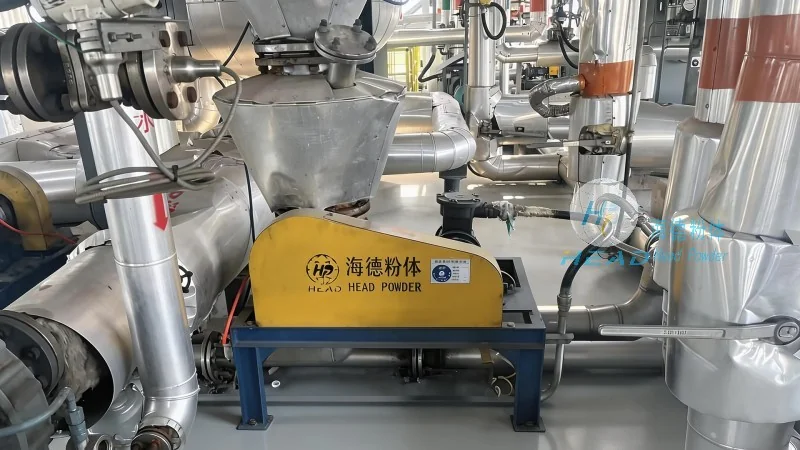
Proper equipment selection is vital for the success of a stone powder pneumatic conveying system. Feeders are responsible for introducing the material into the system at a controlled rate. For stone powder, screw feeders or rotary valves are commonly used due to their ability to handle abrasive materials and maintain consistent flow. The conveyor itself, whether a pipeline or a duct, must be constructed from materials resistant to abrasion, such as stainless steel or high-grade alloys, to withstand the wear from stone particles. Cyclones are used for separation and collection of the material from the air stream, and their design must match the particle size and density of the stone powder to ensure high efficiency. Filters are also essential to protect downstream equipment and comply with air quality regulations.
The layout of the pneumatic conveying system affects its performance and maintenance. The system should be designed with minimal bends and changes in direction to reduce pressure drop and prevent material accumulation. Proper alignment of components and adequate space for maintenance are important considerations. For stone powder applications, the system should be installed with sufficient clearance to allow for easy access to components like feeders and cyclones. Additionally, the system should be integrated with the existing plant layout to minimize disruption and ensure smooth operation.
Modern pneumatic conveying systems incorporate advanced control and monitoring systems to optimize performance and prevent issues. These systems can include sensors to monitor pressure, flow rate, and temperature, as well as alarms and automatic shut-off mechanisms to prevent overloading or blockages. For stone powder systems, real-time monitoring of material flow and air pressure is crucial to detect any changes in material properties or system performance. Automated control systems can adjust air flow and pressure based on real-time data, ensuring consistent and efficient operation. This not only improves productivity but also reduces maintenance costs and extends the lifespan of the equipment.
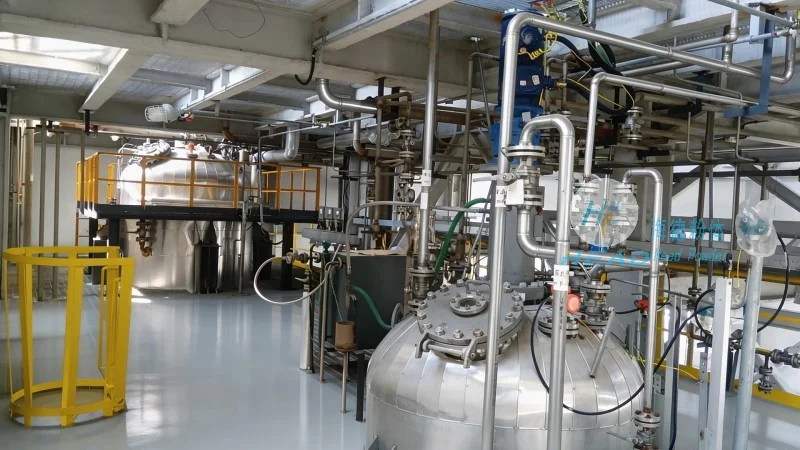
Safety is a top priority in stone powder handling operations. Pneumatic conveying systems must comply with safety regulations to prevent dust explosions and other hazards. Proper grounding and bonding of equipment are essential to prevent static buildup, which can ignite dust clouds. Additionally, the system should be designed with explosion-proof components and pressure relief valves to mitigate risks. Environmental considerations include dust control and air quality management. Stone powder can be a fine particulate that may affect air quality, so the system should include efficient filtration and dust collection to meet environmental standards. Proper ventilation and dust suppression measures are also important to maintain a safe working environment.
Regular maintenance is critical to ensure the long-term reliability of a stone powder pneumatic conveying system. This includes routine checks of equipment components, such as feeders, cyclones, and filters, to identify and address any issues before they become major problems. Abrasive stone particles can cause wear on equipment, so periodic inspection and replacement of wear parts are necessary. Troubleshooting common issues, such as blockages or pressure drops, requires a thorough understanding of the system's design and operation. By following manufacturer guidelines and conducting regular maintenance, operators can minimize downtime and maximize the system's efficiency.

 Shandong Headpowder Engineering Co., Ltd.
 156-6277-7102(Manager Zhang)
  0531-83386006
  Zhangqiu District, Jinan City, Shandong Province, China
telephone
WeChatconsult
top