With more than 10‑year industry experience, Shandong Headpowder delivers full‑service pneumatic‑conveying systems and blowers, undertaking nationwide turn‑key powder‑handling projects.
Slurry pneumatic conveying systems represent advanced industrial technologies designed to transport suspended solids in liquid media through pipelines using air or gas as the conveying medium. This method is particularly effective for handling materials like slurry, which consist of fine particles suspended in water or other liquids, making traditional mechanical conveying methods less suitable due to issues such as clogging, wear, and contamination. The system offers a flexible and efficient solution for moving materials over varying distances while maintaining the integrity of the slurry.
The fundamental principle of slurry pneumatic conveying is the creation of a fluidized or suspended state of the slurry particles within the conveying pipeline. By injecting air or gas into the slurry stream, the system generates sufficient kinetic energy to keep the particles in motion, preventing them from settling or adhering to the pipe walls. This process relies on the balance between the upward force of the air (or gas) and the downward force of gravity, ensuring that the slurry flows continuously through the pipeline without blockages. The velocity of the air and the concentration of the slurry are critical parameters that determine the system's efficiency. Proper adjustment of these parameters is essential to maintain a stable conveying condition and prevent issues such as clogging or excessive pressure drops.
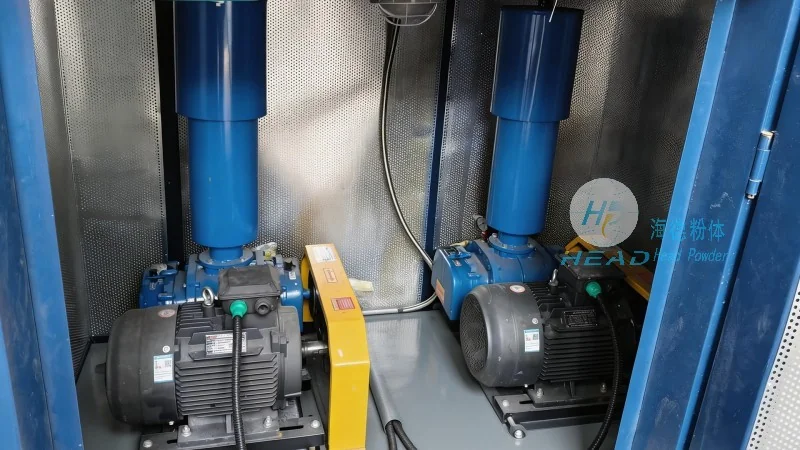
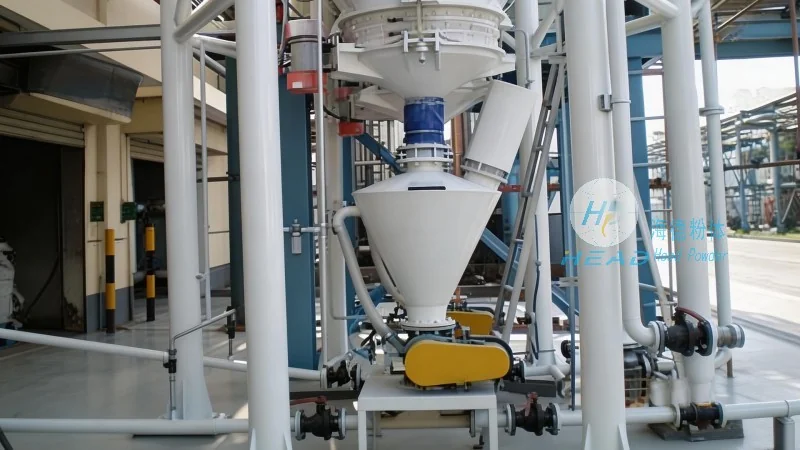
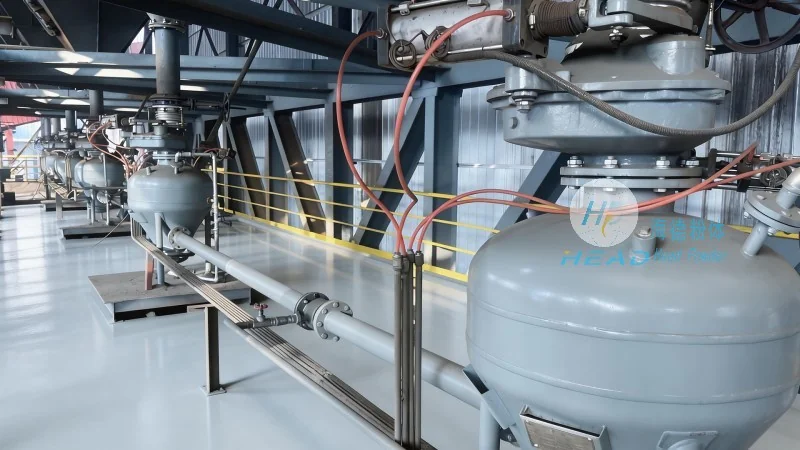
Key components of a slurry pneumatic conveying system include a slurry pump, a conveying line, a separator, and a control system. The slurry pump is responsible for transporting the slurry from the source to the conveying line, typically using centrifugal or positive displacement mechanisms. The conveying line distributes the mixture through the system, with pipe diameters and lengths optimized to minimize pressure losses. The separator, commonly a cyclone or filter, separates the air from the slurry at the end of the line, allowing the liquid to be recovered and the solids to be discharged. The control system monitors and adjusts the flow rates, pressure, and air volume to maintain optimal operation, ensuring consistent performance across different operational conditions.
Slurry pneumatic conveying offers several advantages over traditional mechanical methods. It eliminates the need for moving parts in the conveying line, reducing maintenance costs and wear. The system is also highly flexible, allowing for changes in flow rate and direction without significant modifications. Additionally, it can handle a wide range of particle sizes and concentrations, making it suitable for various industrial applications. Another key benefit is the ability to transport materials over long distances with minimal energy consumption. The use of air as the conveying medium allows for efficient transport, especially for materials that are difficult to handle mechanically. Furthermore, the system can be integrated with other processes, such as dewatering or filtration, to create a closed-loop system that reduces waste and improves overall efficiency.
From a safety perspective, slurry pneumatic conveying reduces the risk of material spillage and exposure to workers, as the material is contained within the pipeline. This is particularly important for handling hazardous or toxic slurry materials. The system also provides better control over the material's temperature and moisture content, which is crucial for processes where these parameters affect product quality.
Slurry pneumatic conveying systems are widely used in industries such as mining, chemical processing, and wastewater treatment. In mining operations, they are used to transport ore slurry from processing plants to storage facilities or for further processing, such as concentration or dewatering. The system's ability to handle high volumes of ore slurry efficiently makes it ideal for large-scale mining operations. In chemical plants, slurry pneumatic conveying is employed to move slurry containing chemicals or waste products to treatment units, where they undergo further processing or disposal.
Wastewater treatment facilities rely on these systems to transport sludge and other solids for dewatering and disposal. The system's ability to handle high concentrations of solids and maintain a stable flow is essential for effective wastewater treatment. Additionally, the system can be used in the food and pharmaceutical industries, where the need for clean and hygienic conveying is critical. The ability to maintain a sterile environment and prevent contamination makes slurry pneumatic conveying an ideal choice for handling sensitive materials like pharmaceutical powders or food products.
When implementing a slurry pneumatic conveying system, several technical factors must be considered to ensure optimal performance. The first is the selection of the appropriate pump type, which depends on the slurry's viscosity, particle size, and flow rate. Centrifugal pumps are commonly used for high-volume applications, while positive displacement pumps are suitable for low-volume, high-pressure requirements. The pump's capacity and pressure rating must be matched to the system's requirements to avoid underperformance or excessive wear.
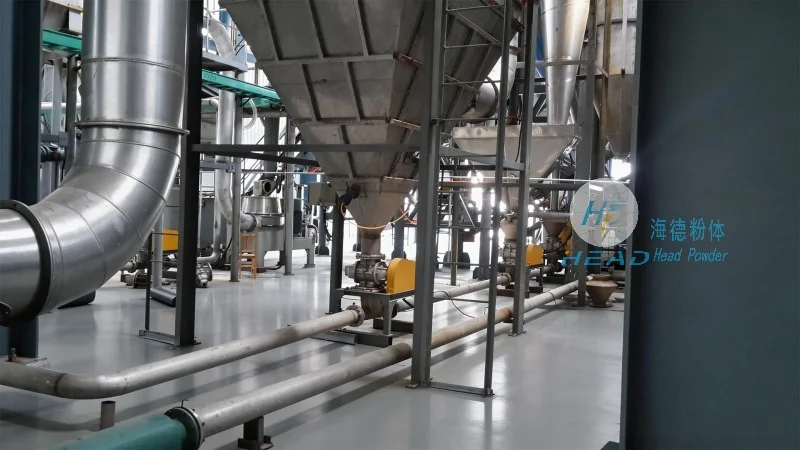
The design of the conveying line is another critical factor. The pipe diameter, length, and layout must be optimized to minimize pressure losses and prevent clogging. The use of smooth, corrosion-resistant materials, such as stainless steel or PVC, is essential to prevent wear and maintain the system's integrity. The pipe's internal surface finish is also important, as rough surfaces can cause increased friction and pressure drops. Proper insulation may be required to maintain the slurry's temperature, especially for materials that are sensitive to temperature changes.
The separator's design is also important, as it determines the efficiency of separating the air from the slurry. Cyclone separators are commonly used due to their simplicity and effectiveness, but other technologies, such as filter presses or centrifuges, may be employed for more challenging applications. The separator's capacity and pressure drop must be matched to the system's flow rate to ensure efficient operation. Additionally, the system should include a liquid recovery system to recycle the water or other liquid from the slurry, reducing waste and improving overall efficiency.
Proper maintenance is crucial to ensure the longevity and efficiency of a slurry pneumatic conveying system. Regular inspection of the pump and conveying line for wear and damage is necessary. The air supply system should be checked for leaks and proper pressure regulation to maintain consistent operation. The separator should be cleaned regularly to prevent the buildup of solids in the pipes and separators, which can reduce its efficiency.
Additionally, the system should be cleaned regularly to prevent the buildup of solids in the pipes and separators. This can be done by flushing the system with water or using a cleaning agent, depending on the material being conveyed. Proper training of operators on the system's operation and maintenance is also essential to avoid operational issues. Operators should be trained to monitor pressure gauges, flow meters, and other indicators to detect any changes in system performance early.
Regular replacement of wear parts, such as pump impellers, seals, and filter elements, is also important to maintain system efficiency. The system's control system should be calibrated regularly to ensure accurate monitoring and control of the conveying process. By following these maintenance procedures, the system can operate at peak efficiency and reduce downtime due to equipment failure.
Slurry pneumatic conveying systems represent a sophisticated and efficient method for transporting suspended solids in liquid media. By leveraging the principles of fluidization and air movement, these systems offer significant advantages over traditional mechanical conveying methods, including reduced maintenance, increased flexibility, and improved material handling capabilities. As industrial processes continue to evolve, the demand for reliable and efficient slurry conveying solutions will remain high, making this technology a vital component of modern industrial operations. The system's ability to handle a wide range of materials and applications, combined with its flexibility and efficiency, makes it an indispensable tool for industries that rely on slurry transport.

 Shandong Headpowder Engineering Co., Ltd.
 156-6277-7102(Manager Zhang)
  0531-83386006
  Zhangqiu District, Jinan City, Shandong Province, China
telephone
WeChatconsult
top