With more than 10‑year industry experience, Shandong Headpowder delivers full‑service pneumatic‑conveying systems and blowers, undertaking nationwide turn‑key powder‑handling projects.
HeadPowder, a leading manufacturer based in Shandong, China, specializes in the design and production of advanced pneumatic conveying systems tailored for industrial applications such as desulfurization and denitrification processes. This article provides a comprehensive overview of the equipment, its structural design, and operational principles, helping readers understand how these systems efficiently handle fine powders like desulfurization and denitrification agents.
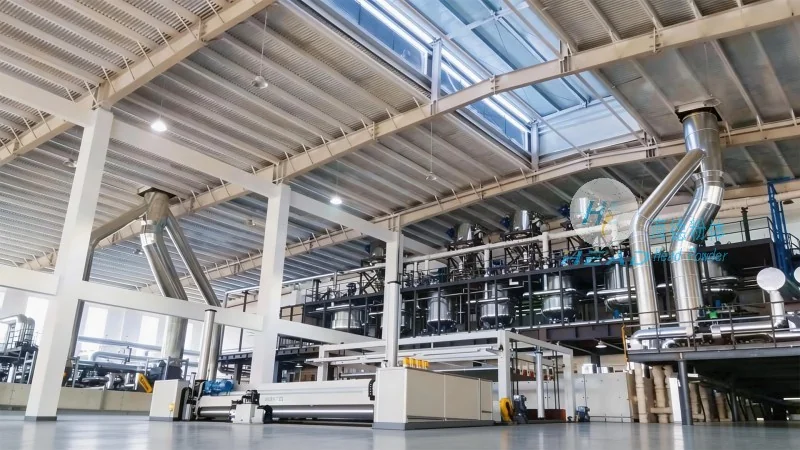
Pneumatic conveying equipment, also known as powder handling systems, is a critical component in modern industrial facilities that require the transport of dry, fine powders. In the context of desulfurization and denitrification, these agents are often used in power plants, chemical plants, and other industrial settings to reduce harmful emissions. The equipment operates by using compressed air or other gases to move the powder material through a pipeline, eliminating the need for mechanical components like belts or screws that might cause contamination or wear. This method ensures a clean, efficient, and safe transfer of the desulfurization and denitrification agents, which are essential for environmental compliance and operational efficiency.
The pneumatic conveying system for desulfurization and denitrification agents typically consists of several key components that work in tandem to ensure reliable operation. The main parts include the material hopper, which stores the powder; the air compressor or blower, which generates the necessary airflow; the conveying pipeline, which transports the powder; and the control system, which regulates the flow and pressure. Each component plays a vital role in maintaining the system's performance and efficiency.
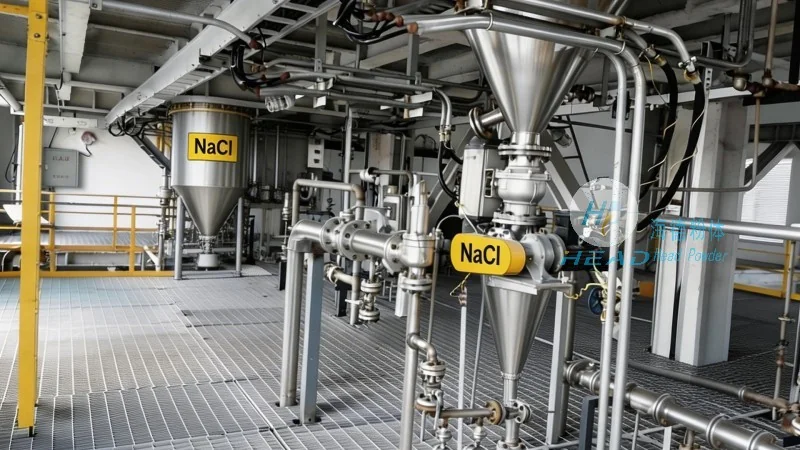
The operation of the pneumatic conveying system for desulfurization and denitrification agents is based on the principle of fluidization and transport of solid particles by a gas stream. When the compressed air is introduced into the material hopper, it creates a low-pressure zone that draws the powder into the pipeline. The air and powder mixture then moves through the pipeline at a controlled velocity, ensuring that the powder is fully suspended and transported without clogging or settling. The system can operate in either positive or negative pressure modes, depending on the application requirements. In positive pressure systems, the air is forced into the pipeline, while in negative pressure systems, the air is drawn out, creating a vacuum that pulls the powder. This flexibility allows the system to be adapted to various industrial settings and material characteristics.
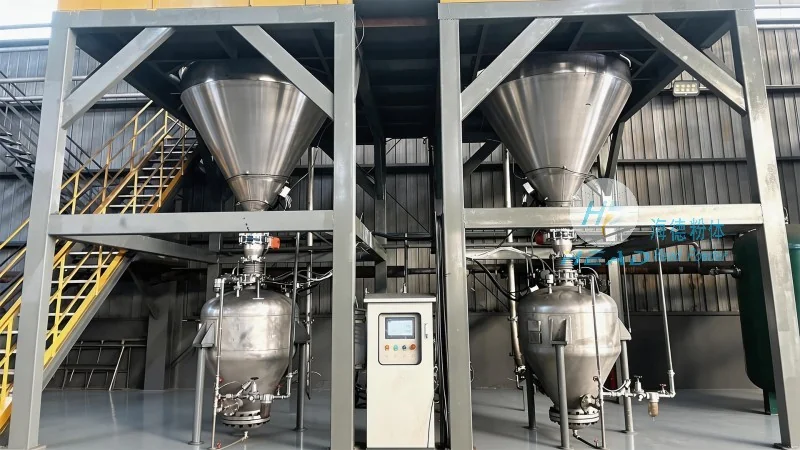
There are several advantages to using pneumatic conveying equipment for handling desulfurization and denitrification agents. First, it provides a clean and hygienic transfer process, which is crucial for maintaining the quality of the powder and preventing contamination. Second, the system is highly efficient, with minimal energy consumption compared to other powder handling methods. Third, it offers flexibility in terms of layout and installation, as the pipeline can be configured to follow the existing plant layout without the need for complex machinery. Fourth, the system is reliable and low-maintenance, with fewer moving parts that can wear out or require frequent replacement. These advantages make pneumatic conveying an ideal choice for industrial applications where the handling of fine powders is critical.
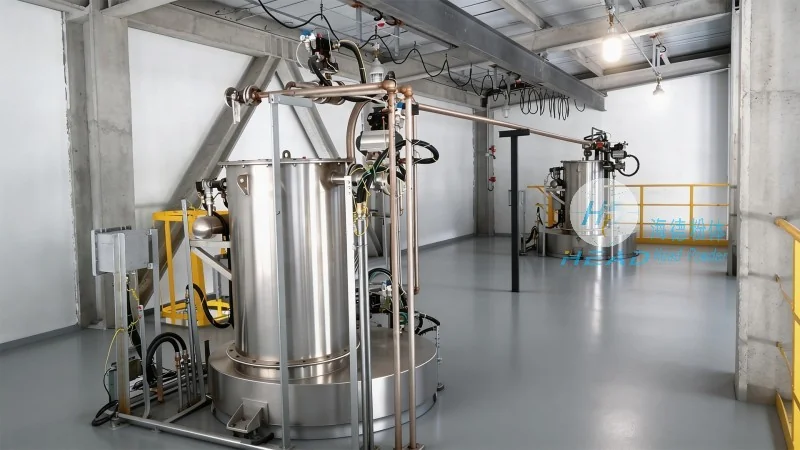
Pneumatic conveying equipment for desulfurization and denitrification agents is widely used in various industrial sectors. For example, in power plants, the system is used to transport limestone or other absorbents to the desulfurization towers, where they react with sulfur dioxide to form gypsum. In chemical plants, the equipment is used to handle various chemical powders, including those used in denitrification processes. The system is also used in food processing and pharmaceutical industries, where the handling of fine powders requires strict hygiene and safety standards. In all these applications, the pneumatic conveying system ensures a consistent and reliable supply of the powder material, which is essential for maintaining production efficiency and meeting environmental regulations.
Proper maintenance and operational considerations are essential to ensure the long-term performance and reliability of the pneumatic conveying system for desulfurization and denitrification agents. Regular cleaning of the pipeline and components is necessary to prevent the buildup of powder residue, which can affect the system's efficiency and cause clogging. The air compressor or blower should be checked regularly to ensure it is operating at the correct pressure and flow rate. The control system should be monitored to detect any changes in the system's performance, such as pressure drops or flow variations. Additionally, the material hopper should be checked for any signs of wear or damage, as this can affect the flow of the powder. By following these maintenance and operational guidelines, the system can operate efficiently and reliably for many years, providing a cost-effective solution for handling desulfurization and denitrification agents.

 Shandong Headpowder Engineering Co., Ltd.
 156-6277-7102(Manager Zhang)
  0531-83386006
  Zhangqiu District, Jinan City, Shandong Province, China
telephone
WeChatconsult
top