With more than 10‑year industry experience, Shandong Headpowder delivers full‑service pneumatic‑conveying systems and blowers, undertaking nationwide turn‑key powder‑handling projects.
Grain pneumatic conveying is a critical technology in the agricultural and food processing industries, designed to transport bulk materials like grains, seeds, and powders through a system of pipes using air pressure. This method offers significant advantages over traditional mechanical conveying, including reduced equipment wear, lower maintenance costs, and the ability to handle materials that are dusty or have a tendency to clog. The effectiveness and suitability of pneumatic conveying systems depend heavily on the specific type of system employed, as well as the characteristics of the material being transported and the operational requirements of the facility.
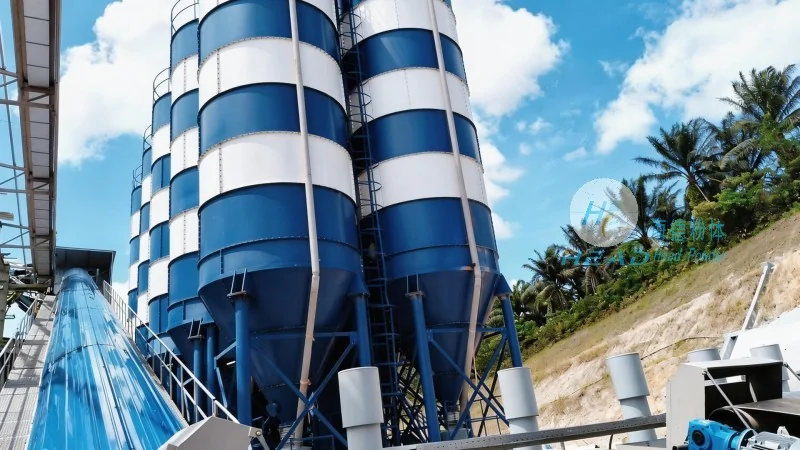
There are primarily two main categories of pneumatic conveying systems: pressure and vacuum systems. Each type has distinct operational principles and is suited to different applications based on the material's properties and the distance it needs to be transported.
Pressure systems use compressed air to push material through the conveying line. They are typically used for short to medium distances and are effective for transporting materials that are free-flowing and non-abrasive. In a pressure system, air is introduced at the discharge end of the line, creating a pressure differential that moves the material forward. This method is particularly useful for applications where the material needs to be discharged into a silo or storage bin at a higher elevation. The system operates by maintaining a positive pressure throughout the pipeline, which helps prevent dust and moisture from entering the system and ensures consistent material flow.
Vacuum systems, on the other hand, use a vacuum to draw material into the conveying line from a hopper or collection point. These systems are ideal for longer distances and are commonly used when the material is to be transported from a lower elevation to a higher one, or when the material is sensitive to pressure changes. The vacuum is created by a fan or blower at the receiving end of the line, which pulls the material and air mixture through the pipeline. Vacuum systems are often preferred for handling materials that are prone to dust generation or that require gentle handling to avoid degradation. They are also suitable for applications where the material is to be collected from multiple points and conveyed to a central processing facility.
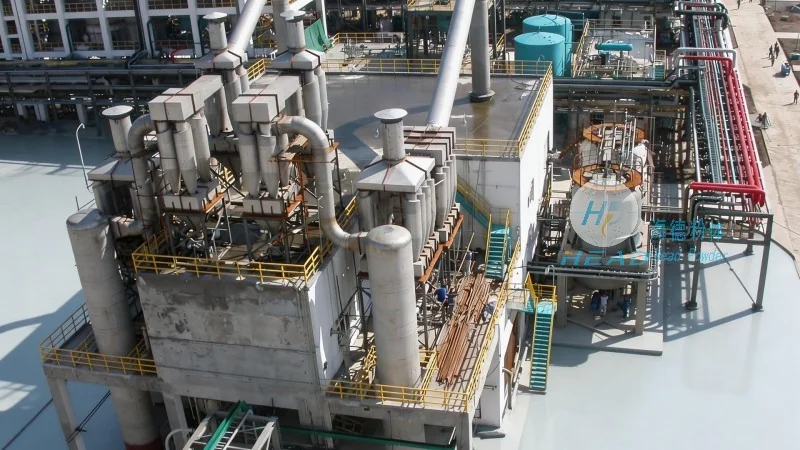
Regardless of the type, modern grain pneumatic conveying systems share several key characteristics that enhance their performance and reliability. These include:
Efficient material handling is a primary characteristic of pneumatic conveying systems. The ability to transport bulk materials in a continuous flow without the need for manual intervention reduces labor costs and increases production throughput. The systems are designed to handle a wide range of grain types, including wheat, corn, rice, and other cereals, as well as seeds and powders. The consistent flow of material ensures that processing equipment, such as mills and separators, receives a steady supply, minimizing downtime and improving overall operational efficiency.
Compared to mechanical conveying systems, pneumatic conveying minimizes equipment wear and reduces maintenance requirements. Since there are no moving parts in the conveying line itself, the risk of wear and tear is significantly lower. This results in lower maintenance costs over the system's lifespan and less downtime for repairs. The absence of mechanical components also means that the system is less susceptible to damage from abrasive materials, which can extend its operational life.
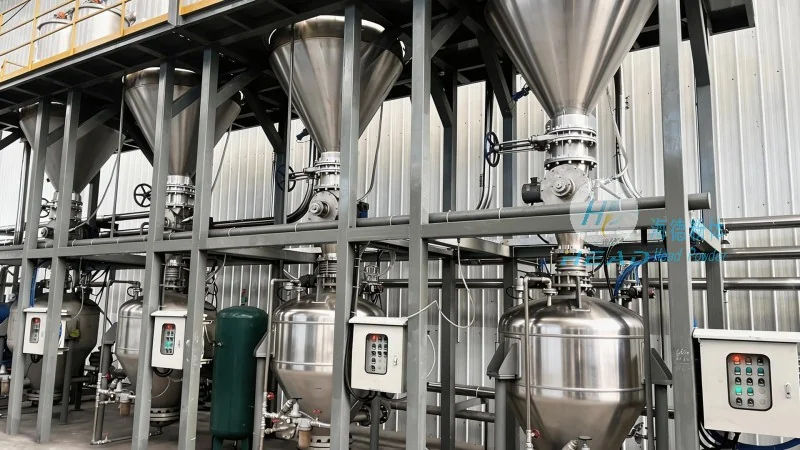
Another important characteristic is the ability to control dust and moisture during the conveying process. By maintaining a sealed system, pneumatic conveying reduces the release of dust into the environment, which is beneficial for worker safety and compliance with environmental regulations. The system can also be designed to control moisture levels, which is crucial for preserving the quality of the grain. For example, in some applications, the system may include a drying or humidification component to adjust the moisture content of the material as it is conveyed.
The application ranges of grain pneumatic conveying systems are broad and varied, making them suitable for a wide range of industrial and agricultural settings. The primary applications include:
In agricultural settings, pneumatic conveying systems are commonly used for transferring grain from harvesters or combines to storage silos or grain elevators. This allows for efficient collection and storage of large quantities of grain, reducing the need for manual handling and minimizing the risk of spoilage. The systems can be integrated with existing storage facilities, making them a cost-effective solution for farmers and agricultural cooperatives.
Food processing industries rely on pneumatic conveying for transporting raw materials and finished products through various stages of production. For example, in flour mills, pneumatic systems are used to move wheat from storage bins to grinding equipment, and then to storage for flour. In seed processing facilities, the systems are used to convey seeds from cleaning and sorting equipment to packaging lines. The ability to handle different grain types and maintain consistent flow makes these systems essential for maintaining production efficiency in food processing plants.
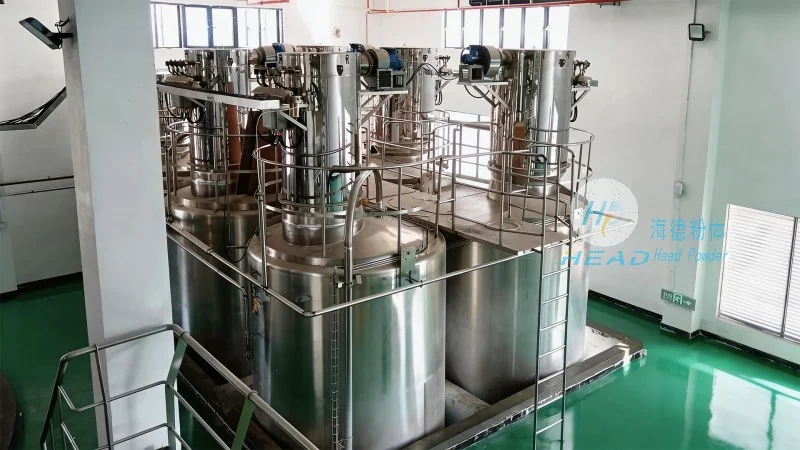
Pneumatic conveying systems are also used in the transportation and distribution of grain from processing facilities to distribution centers or retail outlets. This method allows for the efficient movement of bulk materials over longer distances without the need for intermediate storage or handling. The sealed system helps maintain the quality of the grain during transport, ensuring that it reaches its destination in optimal condition.
Beyond the agricultural and food industries, pneumatic conveying systems are used in various industrial applications, such as the transport of powders and granules in chemical plants, pharmaceutical manufacturing, and other processing facilities. The versatility of these systems makes them suitable for handling a wide range of materials, including those that are abrasive, dusty, or sensitive to moisture.
Grain pneumatic conveying systems offer a versatile and efficient solution for transporting bulk materials in agricultural and industrial settings. The choice of system type—pressure or vacuum—depends on the specific operational requirements, material characteristics, and distance to be covered. Key characteristics such as material handling efficiency, reduced equipment wear, and controlled dust management make these systems a preferred choice for many applications. The application ranges are broad, covering storage, processing, transportation, and industrial uses, ensuring that they remain a critical component of modern material handling operations.

 Shandong Headpowder Engineering Co., Ltd.
 156-6277-7102(Manager Zhang)
  0531-83386006
  Zhangqiu District, Jinan City, Shandong Province, China
telephone
WeChatconsult
top