With more than 10‑year industry experience, Shandong Headpowder delivers full‑service pneumatic‑conveying systems and blowers, undertaking nationwide turn‑key powder‑handling projects.
In the complex landscape of industrial material handling, the efficient and safe transport of specific materials such as Polyvinyl Chloride (PVC) is a critical operational requirement. PVC, a widely used thermoplastic, presents unique challenges during processing and distribution, necessitating specialized equipment. For businesses seeking reliable solutions, understanding the various PVC conveying methods is the first step toward optimizing production lines. Among the industry leaders, Headpowder has distinguished itself through expertise in providing tailored pneumatic conveying systems designed to meet the rigorous demands of modern manufacturing.
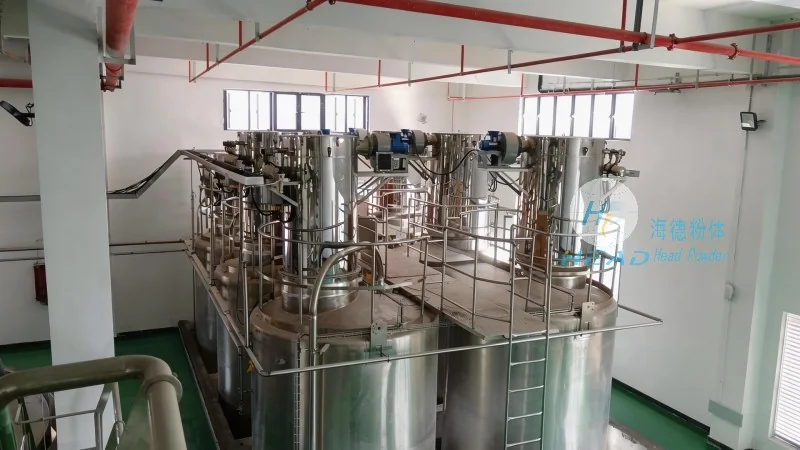
The selection of an appropriate PVC conveying method is determined by factors such as the volume of material, the distance it needs to travel, and the specific physical properties of the PVC granules or powder. Traditional mechanical conveyors, such as screw conveyors or belt conveyors, are often used for short distances; however, they can generate dust and pose risks of material degradation. In contrast, pneumatic conveying systems offer a closed-loop solution that minimizes exposure to the environment.
When evaluating options, facility managers must consider the consistency and purity of the PVC product. Dust-free transfer is essential to prevent contamination and ensure the quality of the final product. This is where the distinction between different system designs becomes vital. A well-engineered system not only moves the material from point A to point B but also maintains the integrity of the PVC particles throughout the process.
Headpowder specializes in advanced PVC pneumatic conveying technologies, offering systems that excel in reliability and efficiency. The core principle of Headpowder's systems involves using air pressure or vacuum to move PVC materials through a pipeline network. This method is particularly advantageous for handling PVC because it eliminates the need for moving parts within the material stream, significantly reducing wear and tear on the material itself.
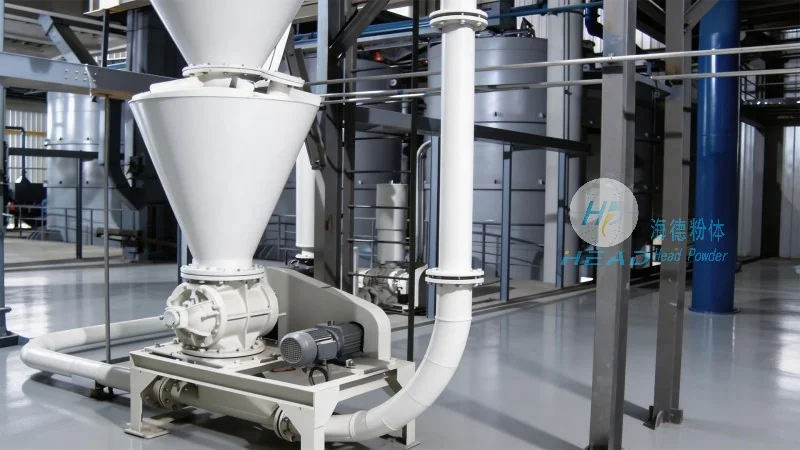
By utilizing a centralized control system, Headpowder ensures that the flow rate and pressure are optimized for the specific viscosity and density of the PVC being handled. This precision reduces the risk of blockages and ensures a continuous supply to processing machines. The ability to transport PVC over long horizontal and vertical distances without the need for intermediate hoppers makes Headpowder's solutions ideal for large-scale industrial plants.
Beyond just PVC, the expertise of Headpowder extends to a broad spectrum of material conveying applications. The versatility of their pneumatic systems allows for the transport of various powders, granules, and flakes, making them a versatile choice for diverse industries. Whether the requirement is for a vacuum system to collect material from multiple points or a pressure system to push material to a central silo, Headpowder provides the engineering required.
The engineering team at Headpowder focuses on minimizing energy consumption while maximizing throughput. This balance is crucial for reducing the operational costs associated with material handling. By designing systems that are tailored to the specific geometry of the facility, Headpowder ensures that every meter of pipeline is utilized effectively, providing a seamless integration into existing production lines.
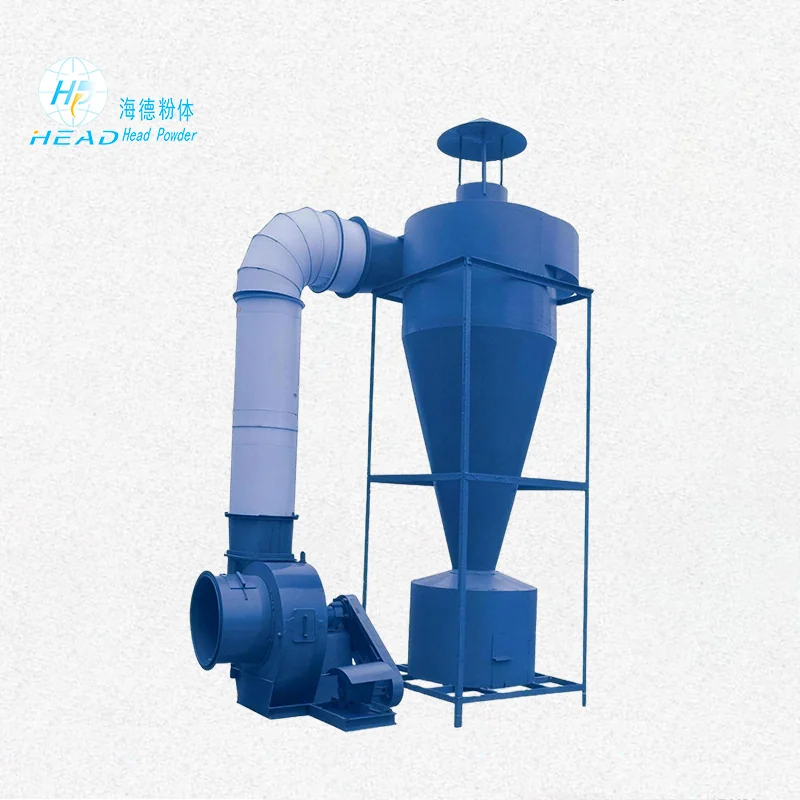
Shandong Headpowder Engineering Co., Ltd. is the entity behind these innovative solutions, based in Shandong, China. The company combines local manufacturing capabilities with international engineering standards to deliver robust conveying systems. Their facility in Shandong serves as a hub for research, development, and production, ensuring that every system leaving the factory undergoes rigorous quality control.
The company's commitment to quality is reflected in the durability of their equipment and the technical support they provide. They understand that a conveying system is a long-term investment, and therefore, they focus on components that are resistant to corrosion and wear, which is particularly important when handling PVC or other chemical compounds. The engineering team works closely with clients to customize the system parameters, ensuring that the solution perfectly matches the client's production schedule and volume requirements.
Choosing the right partner for PVC conveying is about more than just buying equipment; it is about partnering with a team that understands the nuances of material flow. Headpowder's systems are designed to be user-friendly, with easy-to-monitor dashboards and low maintenance requirements. This reduces downtime and keeps production running smoothly.
The safety features integrated into Headpowder's systems are another significant benefit. By containing the material within the pipeline, the risk of explosion or dust inhalation is drastically reduced, creating a safer working environment for operators. This focus on safety and efficiency has made Headpowder a trusted name in the industry.
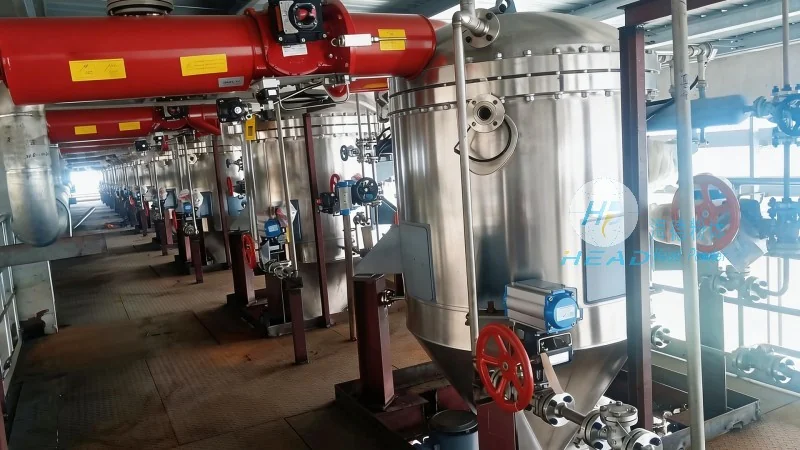
To discuss specific requirements or to receive a tailored proposal for your facility, it is essential to connect directly with the experts. The team at Headpowder is ready to provide technical consultations and site assessments to determine the most effective PVC conveying method for your unique situation.
For direct communication regarding installation, maintenance, or system design, please contact Manager Zhang. You can reach him via WeChat at 15662777102. Manager Zhang and the team at Shandong Headpowder Engineering Co., Ltd. are dedicated to providing the highest level of service and support to ensure your material handling operations are a success.
Located in Shandong, Headpowder serves clients both domestically and internationally, bringing world-class pneumatic conveying technology to the heart of industrial production. Do not compromise on the quality of your material transport; choose a system that delivers performance, safety, and reliability.

 Shandong Headpowder Engineering Co., Ltd.
 156-6277-7102(Manager Zhang)
  0531-83386006
  Zhangqiu District, Jinan City, Shandong Province, China
telephone
WeChatconsult
top