With more than 10‑year industry experience, Shandong Headpowder delivers full‑service pneumatic‑conveying systems and blowers, undertaking nationwide turn‑key powder‑handling projects.
HeadPowder, a leading provider in the field of material handling solutions, specializes in the design, manufacturing, and implementation of advanced pneumatic conveying systems tailored for silica micropowder applications. The company, based in Shandong, China, has established itself as a trusted partner for industries requiring efficient and reliable powder transport solutions. This article provides an in-depth classification and application analysis of silica micropowder pneumatic conveying systems, highlighting the key factors that influence system selection and operational performance.
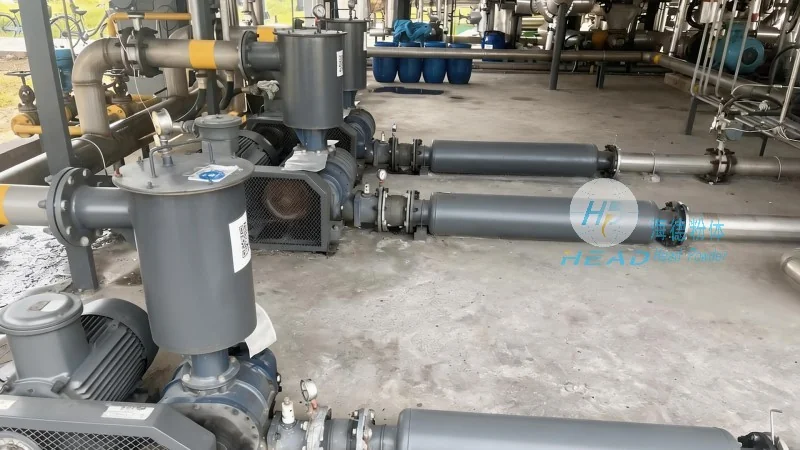
Silica micropowder, commonly known as silica dust or fine silica particles, is widely used in various industrial sectors including construction, electronics, and pharmaceuticals. The effective handling of these fine powders requires specialized equipment to prevent dust accumulation, ensure product purity, and maintain operational safety. Pneumatic conveying systems offer a non-contact, low-maintenance method for transporting silica micropowder from storage to processing units, making them an ideal choice for modern manufacturing environments.
Based on the operating principle and design, silica micropowder pneumatic conveying systems can be broadly classified into two main categories: pressure and vacuum systems. Each type has distinct characteristics that make it suitable for different operational requirements.
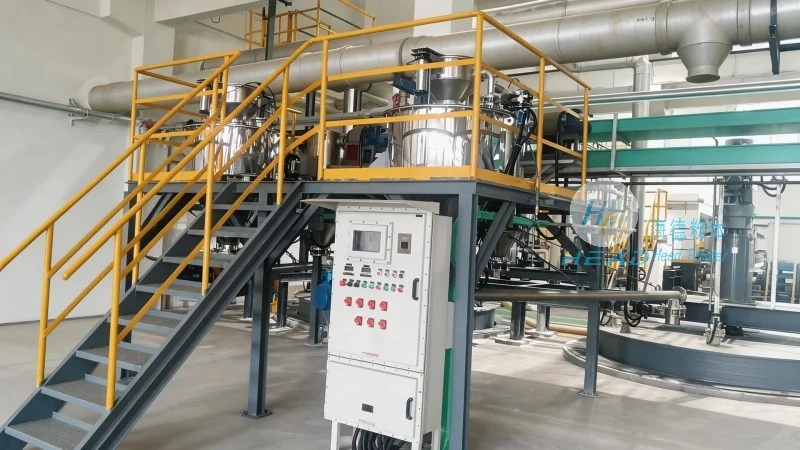
Pressure systems utilize compressed air or gas to push the powder through a pipeline. These systems are typically used for short to medium-distance transport and are effective for handling abrasive or corrosive powders. The high-pressure operation ensures that the powder is conveyed at a consistent flow rate, minimizing the risk of blockages. For silica micropowder, pressure systems are often preferred when the material needs to be transported over distances of up to 100 meters with a high flow rate.
Vacuum systems, on the other hand, use a vacuum pump to draw the powder into the conveying line. This method is suitable for longer distances and for materials that are sensitive to pressure changes. Vacuum systems are particularly useful when the powder needs to be collected from multiple sources or when the system is integrated with dust collection equipment. The low-pressure operation in vacuum systems helps maintain the integrity of the silica micropowder, preventing agglomeration and ensuring consistent particle size distribution.
The choice between pressure and vacuum systems, as well as the specific design of the conveying line, depends on several critical factors. These include the distance between the source and destination, the required flow rate, the particle size and density of the silica micropowder, and the environmental regulations governing dust control. HeadPowder engineers consider these parameters to recommend the most efficient system configuration. For instance, in applications where the powder is to be transported over long distances (exceeding 100 meters), a vacuum system with a high-capacity vacuum pump is often recommended. Conversely, for short-distance transport with high flow rates, a pressure system with a robust air compressor is more suitable.
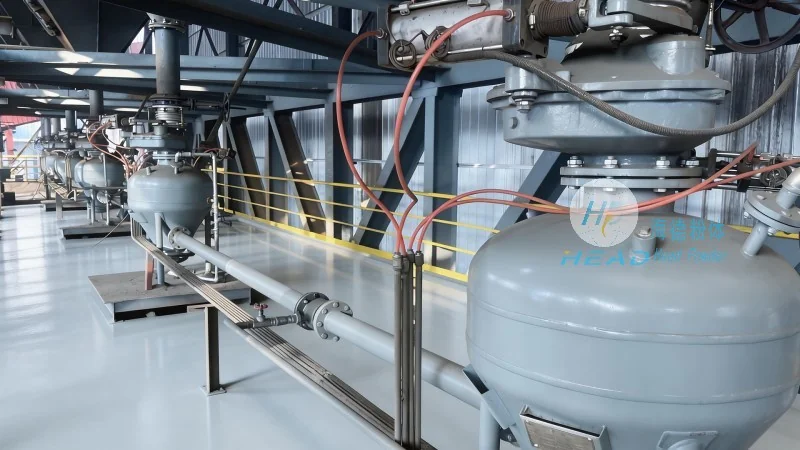
Material properties also play a significant role in system selection. Silica micropowder is known for its high abrasiveness, which can lead to wear and tear on the conveying components. Therefore, systems equipped with wear-resistant materials, such as stainless steel or special coatings, are preferred to extend the service life of the equipment. Additionally, the system must be designed to minimize dust emissions, as silica dust is a health hazard. Advanced filtration systems and enclosed conveying lines are incorporated to ensure compliance with environmental standards.
Silica micropowder pneumatic conveying systems find extensive applications across various industries. In the construction industry, these systems are used to transport silica sand for concrete production, ensuring a consistent blend of materials. The electronics industry utilizes silica micropowder in the manufacturing of semiconductor components, where precision and purity are paramount. The pharmaceutical industry also relies on these systems for the handling of silica-based excipients, maintaining the quality and safety of medicinal products.
In the field of industrial manufacturing, the efficiency of pneumatic conveying systems directly impacts production throughput and product quality. For example, in a silica-based glass manufacturing plant, a well-designed pressure system can transport the raw material from storage silos to the melting furnace at a controlled rate, reducing downtime and improving process consistency. Similarly, in a pharmaceutical facility, a vacuum system can collect silica micropowder from processing equipment and transfer it to storage containers, preventing cross-contamination and ensuring batch traceability.
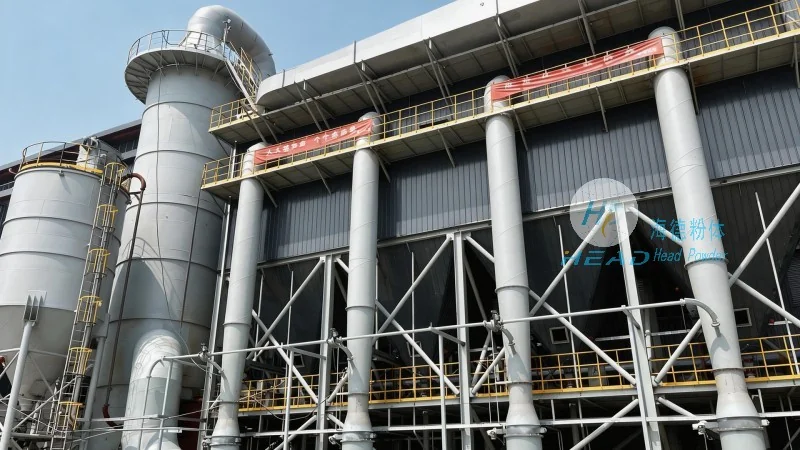
HeadPowder's expertise lies in customizing pneumatic conveying systems to meet the unique needs of each application. By analyzing the specific requirements of the client, the company designs systems that optimize performance while minimizing operational costs. This includes selecting the appropriate pipeline diameter, air pressure, and filtration equipment to achieve the desired conveying efficiency. The company also provides post-installation support, including maintenance services and technical assistance, to ensure the long-term reliability of the system.
As industries continue to demand higher efficiency and safety in material handling, the importance of advanced pneumatic conveying systems for silica micropowder cannot be overstated. HeadPowder, with its commitment to innovation and quality, remains at the forefront of providing tailored solutions that meet the evolving needs of its clients. By understanding the classification and application of these systems, industries can make informed decisions to enhance their operational performance and comply with regulatory requirements. The future of silica micropowder handling lies in the integration of smart technologies, such as sensors and automation, which will further improve the efficiency and reliability of pneumatic conveying systems.

 Shandong Headpowder Engineering Co., Ltd.
 156-6277-7102(Manager Zhang)
  0531-83386006
  Zhangqiu District, Jinan City, Shandong Province, China
telephone
WeChatconsult
top