With more than 10‑year industry experience, Shandong Headpowder delivers full‑service pneumatic‑conveying systems and blowers, undertaking nationwide turn‑key powder‑handling projects.
Waste management is a critical aspect of urban development, and efficient material handling technologies play a pivotal role in optimizing the entire process. Among various methods, pneumatic conveying systems have emerged as a highly effective solution for transporting waste materials. This article provides a comprehensive classification and application analysis of waste pneumatic conveying systems, highlighting their operational principles, types, and practical applications.
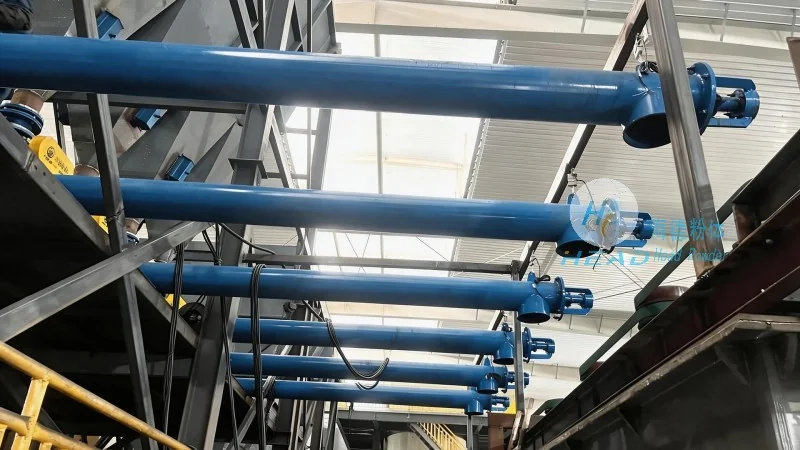
Waste pneumatic conveying systems utilize air or gas as the medium to transport solid waste materials from one location to another. These systems are designed to handle a wide range of waste types, including municipal solid waste (MSW), industrial waste, and hazardous materials. The primary advantage of pneumatic conveying is its ability to transport materials in a closed system, minimizing dust emissions and environmental contamination. This makes it an ideal choice for modern waste management facilities that prioritize sustainability and operational efficiency.
Waste pneumatic conveying systems can be broadly classified into two main categories based on the direction of material flow and the pressure used: positive pressure systems and negative pressure systems. Each type has distinct characteristics and is suitable for different operational conditions.
Positive pressure systems operate by blowing air or gas into the conveying line, creating a pressure higher than the ambient air pressure. The material is then drawn into the system and transported to the destination. This type of system is commonly used for short to medium-distance conveying and is particularly effective for handling abrasive or corrosive materials. The high pressure ensures that the material is fully suspended and transported efficiently, reducing wear and tear on equipment.
Negative pressure systems, also known as vacuum systems, operate by creating a vacuum in the conveying line. The material is drawn into the system due to the pressure difference and is then transported to the collection point. These systems are ideal for long-distance conveying and are often used in applications where the material needs to be collected from multiple sources and transported to a central processing facility. Negative pressure systems are also effective in handling fine powders and granular materials, as the vacuum helps to maintain the material's integrity during transport.
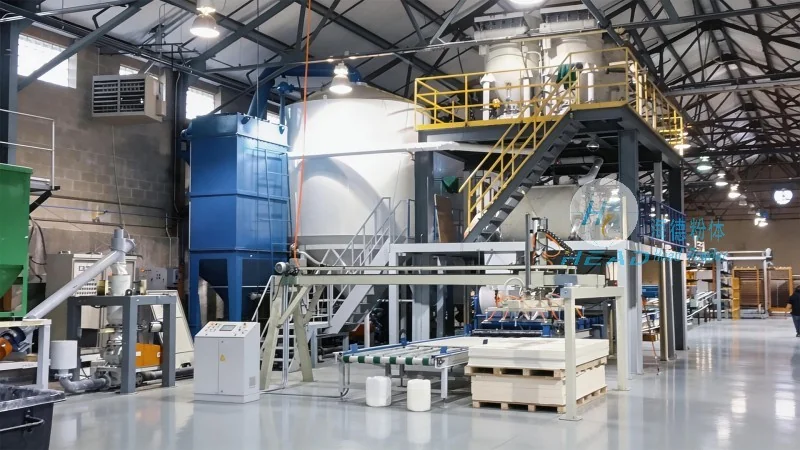
The application of waste pneumatic conveying systems varies depending on the type of waste, the distance to be covered, and the specific requirements of the waste management facility. The following are some common applications where these systems are widely used:
In municipal waste management, pneumatic conveying systems are used to transport MSW from collection points to transfer stations or processing plants. The systems can handle a wide range of waste materials, including paper, plastic, glass, and organic waste. The closed system design minimizes odor and dust emissions, making it suitable for urban environments. For example, in cities with high population density, positive pressure systems are often used to transport waste from residential areas to central processing facilities, ensuring efficient and hygienic material handling.
Industrial waste, such as metal shavings, plastic scraps, and chemical residues, often requires specialized handling due to its hazardous nature. Pneumatic conveying systems are well-suited for this application as they can transport materials in a closed environment, preventing contamination and ensuring worker safety. The systems can be customized to handle different types of industrial waste, with options for temperature control and material separation. This makes them an essential component of industrial waste management processes, particularly in manufacturing and processing industries.
Hazardous waste, including medical waste, chemical waste, and radioactive materials, requires stringent handling protocols to prevent environmental and health risks. Pneumatic conveying systems are used to transport these materials safely and efficiently. The closed system design ensures that the waste is contained and does not come into contact with the environment. Additionally, the systems can be equipped with filtration and purification units to remove any hazardous particles, ensuring compliance with environmental regulations. This application is critical in waste treatment facilities and hazardous material disposal sites.
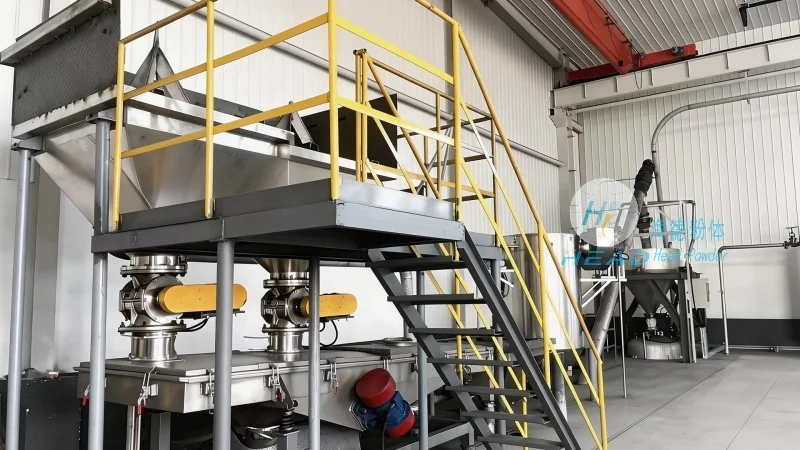
Waste pneumatic conveying systems offer several advantages over traditional material handling methods, making them a preferred choice for modern waste management. The key features and benefits include:
The closed system design of pneumatic conveying systems minimizes dust emissions and odor, reducing the environmental impact of waste handling. This is particularly important in urban areas where air quality is a concern. The system also prevents the spread of contaminants, ensuring the safety of workers and the public.
Pneumatic conveying systems are highly efficient in transporting materials over long distances with minimal energy consumption. The systems are also designed for low maintenance, with components that are easy to replace and service. This reduces operational costs and downtime, making them a cost-effective solution for waste management facilities.
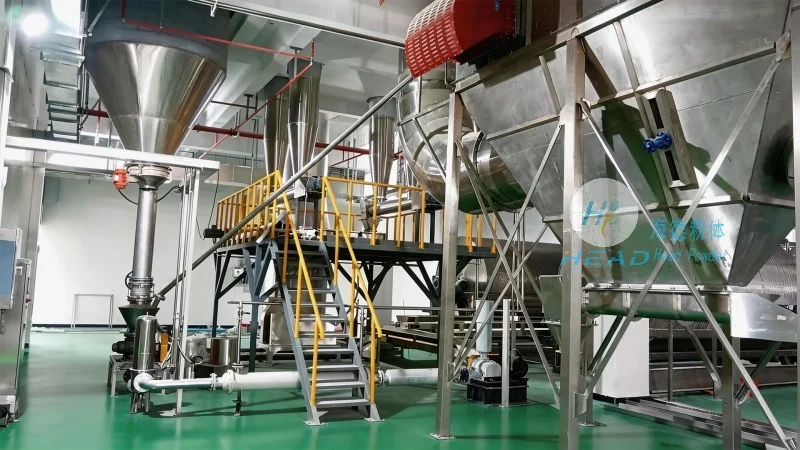
Waste pneumatic conveying systems can be customized to handle a wide range of waste materials and operational conditions. The systems can be designed for different pressure levels, material sizes, and conveying distances, ensuring optimal performance. This versatility makes them suitable for various applications, from small-scale waste collection to large-scale industrial waste management.
Shandong HeadPowder Engineering Co., Ltd., operating under the brand name headpowder, is a leading manufacturer and supplier of waste pneumatic conveying systems. With its headquarters in Shandong, China, the company specializes in designing, manufacturing, and installing customized pneumatic conveying solutions for waste management applications. HeadPowder's products are known for their high quality, durability, and efficiency, meeting the stringent requirements of modern waste management facilities.
The company's team of experienced engineers and technicians works closely with clients to understand their specific needs and provide tailored solutions. HeadPowder's commitment to innovation and customer satisfaction has made it a trusted partner in the waste management industry, helping facilities improve their operational efficiency and reduce environmental impact.
For more information about waste pneumatic conveying systems and HeadPowder's products, please visit our official website or contact our sales team.

 Shandong Headpowder Engineering Co., Ltd.
 156-6277-7102(Manager Zhang)
  0531-83386006
  Zhangqiu District, Jinan City, Shandong Province, China
telephone
WeChatconsult
top