With more than 10‑year industry experience, Shandong Headpowder delivers full‑service pneumatic‑conveying systems and blowers, undertaking nationwide turn‑key powder‑handling projects.
Flour dust pneumatic conveying systems are essential in the food processing industry, particularly for handling fine powders like flour. These systems utilize air to transport materials, offering efficient and hygienic solutions for various applications. Understanding the types, key features, and application ranges of such systems is crucial for businesses in the flour and related industries.
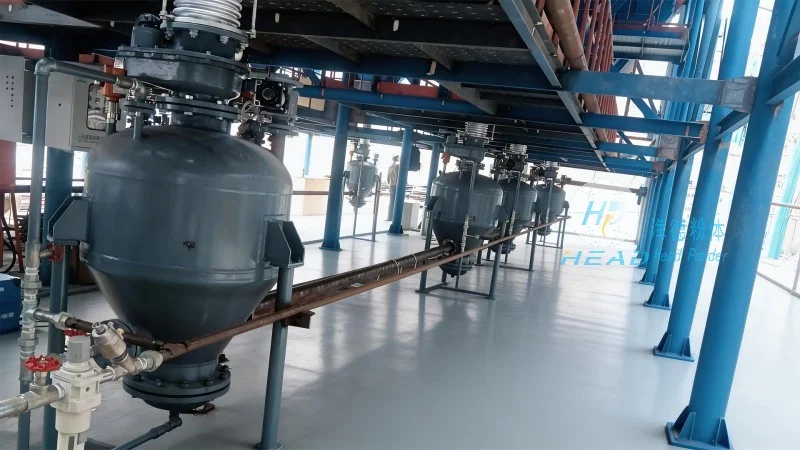
HeadPowder, the professional provider of pneumatic conveying solutions, is a leading company based in Shandong, China. With years of experience in the industry, HeadPowder specializes in designing, manufacturing, and installing advanced flour dust pneumatic conveying systems tailored to meet the specific needs of clients. The company's commitment to quality and innovation ensures that its products deliver reliable performance and enhance operational efficiency for food processing facilities.
There are primarily two types of pneumatic conveying systems used for flour dust: pressure and vacuum systems. Each type has distinct characteristics and is suitable for different operational requirements.
Pressure systems operate by forcing air through the conveying line under positive pressure. This method is ideal for long-distance and high-capacity transport of flour dust. The system typically includes a positive displacement blower, a hopper for material storage, and a receiver for product collection. The pressure system ensures that the material is continuously moved through the pipeline, minimizing the risk of clogging and maintaining consistent flow rates. Key features of pressure systems include high efficiency, ability to handle abrasive materials, and suitability for applications requiring high transport speeds. These systems are commonly used in large-scale flour mills and processing plants where bulk material handling is required.
Vacuum systems, on the other hand, use a vacuum to draw material from the source into the conveying line. This approach is more suitable for shorter distances and lower capacity needs. The system consists of a vacuum pump, a hopper, and a receiver. Unlike pressure systems, vacuum systems are gentler on the material, reducing the risk of particle breakage and maintaining product quality. They are particularly useful for handling sensitive flour dust that requires minimal agitation. Features of vacuum systems include lower initial costs, suitability for indoor applications, and ease of installation in existing facilities. These systems are often employed in smaller processing units or for transporting flour dust from multiple points to a central collection point.
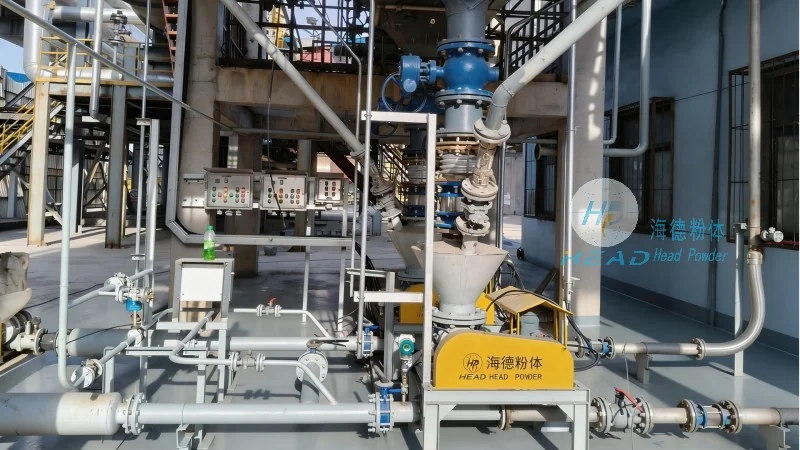
Regardless of the type, modern flour dust pneumatic conveying systems share several key features that enhance their performance and reliability. These features include:
All components of the system, from the hopper to the receiver, are constructed from materials that meet food-grade standards. Stainless steel is commonly used for the conveying line and fittings, ensuring that the system is easy to clean and maintain. The design minimizes dead zones where material can accumulate, reducing the risk of contamination and microbial growth. This is critical for maintaining the quality and safety of flour products, which are subject to strict regulatory standards.
The systems are engineered to handle fine powders like flour with minimal loss and maximum efficiency. The use of appropriate air velocities and pipeline diameters ensures that the material is transported without excessive pressure drop or particle degradation. This results in consistent flow rates and reduced energy consumption, making the systems cost-effective for long-term operation.
HeadPowder offers customized solutions tailored to the specific requirements of each client. The systems can be designed to accommodate different flour types, particle sizes, and processing volumes. Additionally, the systems can be integrated with existing equipment, allowing for seamless operation in existing facilities. This flexibility ensures that the systems meet the unique needs of each application, whether it's for small-scale or large-scale flour processing.
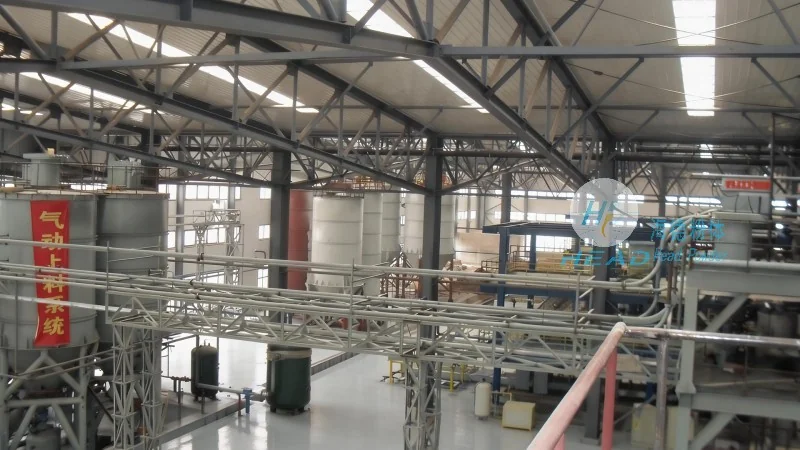
The design of the systems minimizes moving parts, reducing the need for frequent maintenance. The use of durable materials and robust components ensures that the systems have a long operational life with minimal downtime. This lowers the total cost of ownership and enhances the reliability of the system over time.
Flour dust pneumatic conveying systems are widely used across various applications in the food processing industry. The primary applications include:
In large-scale flour mills, these systems are used to transport raw wheat and processed flour between different stages of the production line. From the grinding and sifting processes to the packaging and storage, pneumatic conveying systems ensure that the material is moved efficiently and hygienically. This improves the overall productivity of the mill and reduces the risk of cross-contamination between different flour types.
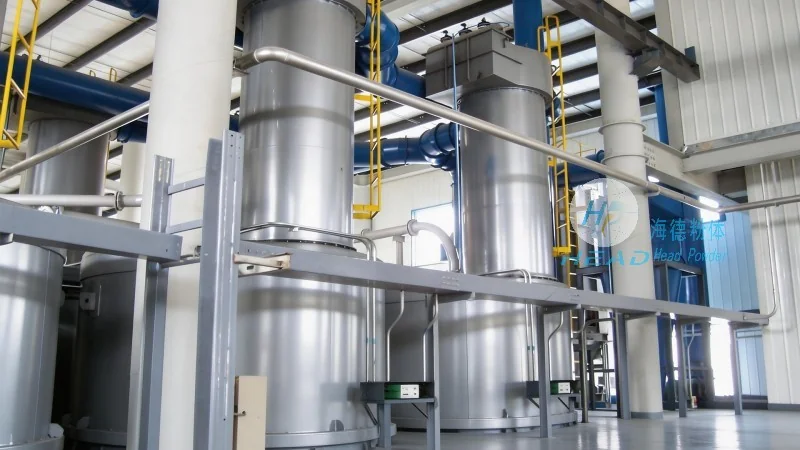
Bakeries and confectionery manufacturers rely on pneumatic conveying systems to transport flour and other dry ingredients to mixing and production lines. The systems ensure that the ingredients are delivered in a consistent and controlled manner, which is crucial for maintaining the quality and consistency of baked goods. The hygienic design of the systems also helps in meeting the stringent food safety regulations in these industries.
For food storage facilities, pneumatic conveying systems are used to move flour dust from storage silos to packaging lines or distribution centers. This allows for efficient inventory management and reduces the need for manual handling, which can be labor-intensive and prone to errors. The systems also help in maintaining the quality of the stored flour by minimizing exposure to air and moisture.
In research and development settings, small-scale pneumatic conveying systems are used to handle and test different types of flour dust. These systems allow researchers to study the properties of various flour types and develop new products or processing methods. The flexibility and precision of the systems make them ideal for laboratory applications.
Flour dust pneumatic conveying systems are vital components in the food processing industry, offering efficient, hygienic, and flexible solutions for handling fine powders. With the expertise of companies like Shandong HeadPowder Engineering Co., Ltd., businesses can access advanced systems tailored to their specific needs. Whether for large-scale milling operations or small-scale laboratory use, these systems enhance productivity, maintain product quality, and ensure compliance with industry standards. The continued development of such systems will further improve the efficiency and safety of flour processing across the globe.

 Shandong Headpowder Engineering Co., Ltd.
 156-6277-7102(Manager Zhang)
  0531-83386006
  Zhangqiu District, Jinan City, Shandong Province, China
telephone
WeChatconsult
top