With more than 10‑year industry experience, Shandong Headpowder delivers full‑service pneumatic‑conveying systems and blowers, undertaking nationwide turn‑key powder‑handling projects.
Flaky graphite powder, a material widely used in various industrial sectors, often requires efficient and reliable transportation methods. Pneumatic conveying stands out as a preferred solution for handling such powders due to its ability to minimize dust, enhance safety, and improve process control. This article delves into the different types of pneumatic conveying systems, their key characteristics, and the diverse applications where flaky graphite powder is utilized.
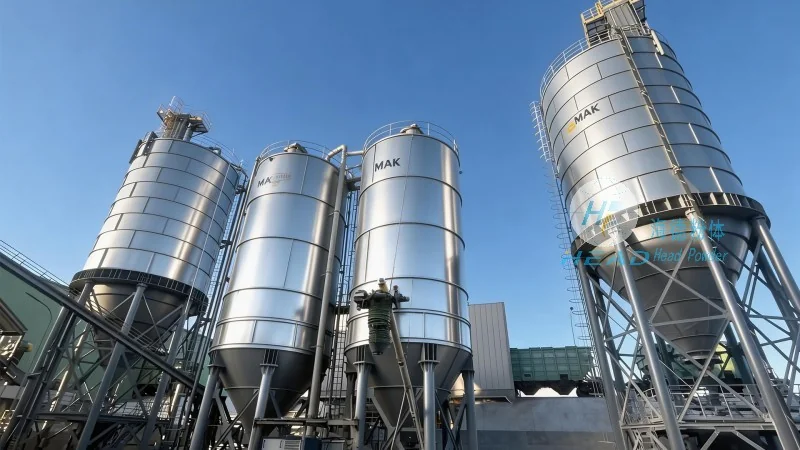
Flaky graphite, also known as crystalline graphite, is a form of natural graphite characterized by its plate-like or flake structure. This unique morphology gives it excellent lubricating properties, electrical conductivity, and thermal stability, making it a valuable material in industries such as refractories, batteries, and lubricants. Pneumatic conveying, a technology that uses air or gas to transport bulk materials through a pipeline system, offers a non-contact method of moving flaky graphite powder, which is essential for maintaining product integrity and preventing contamination.
Several pneumatic conveying systems are available, each with distinct advantages and applications. The primary types include pressure, vacuum, and mixed systems, tailored to different material properties and operational requirements.
Pressure systems operate by introducing compressed air into a sealed pipeline, pushing the material forward. This method is suitable for materials with low to moderate dust generation and is ideal for long-distance transport. For flaky graphite powder, pressure conveying ensures consistent flow rates and reduces the risk of clogging, as the high air pressure helps maintain the material's fluidity.
Vacuum systems, on the other hand, use a vacuum pump to draw material from a source into a pipeline. This approach is beneficial for short-distance transport and when the material is to be collected from multiple points. It is particularly effective for handling flaky graphite powder in environments where dust control is critical, as the vacuum helps capture and contain particles.
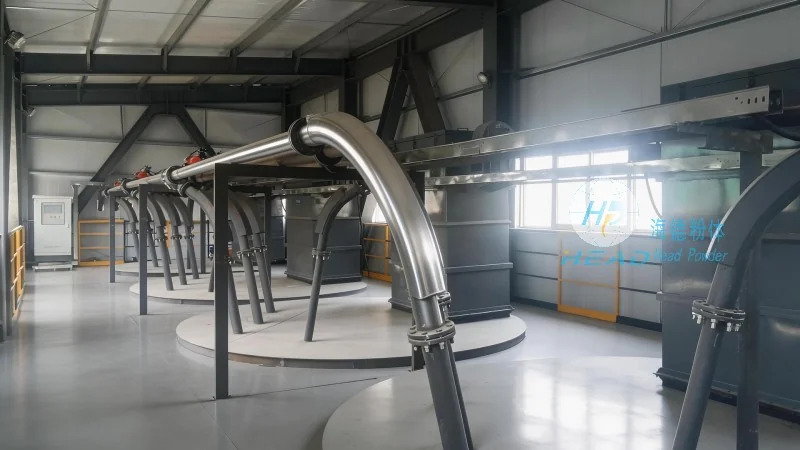
Mixed systems combine elements of both pressure and vacuum, offering flexibility in handling different material characteristics. They are often used for complex conveying routes or when the material requires both push and pull forces to ensure smooth transport. For flaky graphite powder, mixed systems can optimize the conveying process by adapting to varying pipeline lengths and material flow rates.
The effectiveness of pneumatic conveying for flaky graphite powder is influenced by several key characteristics that impact system performance and material handling efficiency.
The flaky structure of graphite, with its high aspect ratio and low bulk density, affects how it behaves in a pneumatic system. The material's tendency to agglomerate or form clusters can lead to blockages if not properly managed. Therefore, understanding the particle size distribution, moisture content, and specific gravity of the flaky graphite powder is crucial for selecting the appropriate conveying system and ensuring optimal performance.
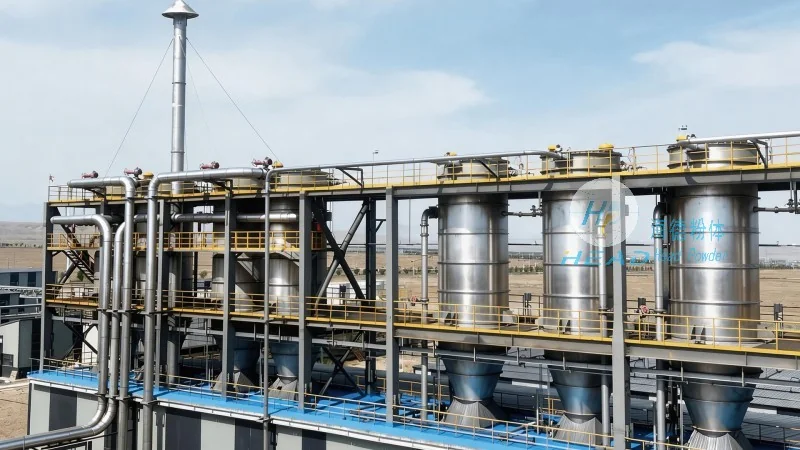
The design of the pneumatic conveying system, including the pipeline diameter, air velocity, and the use of accessories such as cyclones, filters, and rotary valves, plays a significant role in the efficiency of flaky graphite powder transport. Properly sized pipelines and appropriate air velocities are essential to prevent particle deposition and maintain consistent flow. Additionally, the inclusion of filtration systems is vital to capture fine particles and protect downstream equipment from contamination.
Energy consumption is a critical factor in the operation of pneumatic conveying systems. The pressure or vacuum levels required to transport flaky graphite powder directly impact operational costs. Advanced system designs, such as using variable frequency drives (VFDs) to adjust air pressure or vacuum levels, can enhance energy efficiency and reduce long-term operational expenses. For industrial applications, optimizing energy use while maintaining material handling performance is a key consideration.
Flaky graphite powder, when efficiently conveyed via pneumatic systems, finds applications in a wide range of industries, leveraging its unique properties to enhance product performance.
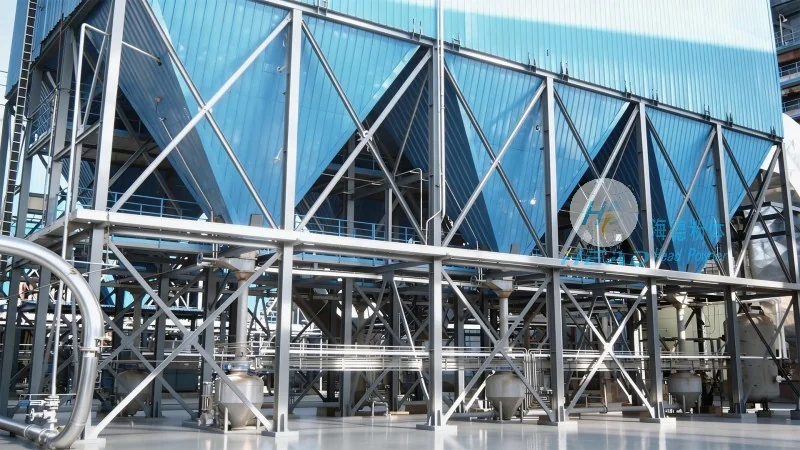
In the refractory sector, flaky graphite is used as a raw material in the production of high-temperature refractory bricks and linings. Pneumatic conveying ensures that the graphite powder is delivered to mixing and molding processes with minimal dust and consistent quality. This contributes to the uniformity of the final refractory products, which are essential in steel, cement, and glass manufacturing.
The battery industry, particularly in the production of lithium-ion batteries, relies on flaky graphite as an anode material due to its excellent electrical conductivity and stability. Pneumatic conveying systems are used to transport the graphite powder from storage to mixing and coating lines. The precision and control offered by pneumatic systems help maintain the particle size and distribution, which are critical for achieving optimal battery performance and cycle life.
Flaky graphite is also a key component in lubricants and protective coatings, where its lubricating properties and thermal stability are advantageous. Pneumatic conveying facilitates the transport of graphite powder to blending facilities, ensuring that the material is evenly distributed in the final product. This is particularly important in applications where the lubricant or coating needs to withstand high temperatures and mechanical stress.
Efficient pneumatic conveying of flaky graphite powder is essential for optimizing industrial processes and maintaining product quality. The choice of system type, understanding material characteristics, and proper system design are all critical factors in achieving successful material handling. Shandong HeadPowder Engineering Co., Ltd., a leading provider in the field, specializes in the development and implementation of advanced pneumatic conveying solutions tailored to the unique needs of flaky graphite powder applications. With a focus on innovation and customer satisfaction, the company ensures that its clients benefit from reliable, efficient, and cost-effective material transport systems. Based in Shandong, China, HeadPowder Engineering Co., Ltd. leverages its expertise to support industries worldwide in maximizing the potential of flaky graphite powder through advanced pneumatic conveying technologies.

 Shandong Headpowder Engineering Co., Ltd.
 156-6277-7102(Manager Zhang)
  0531-83386006
  Zhangqiu District, Jinan City, Shandong Province, China
telephone
WeChatconsult
top