With more than 10‑year industry experience, Shandong Headpowder delivers full‑service pneumatic‑conveying systems and blowers, undertaking nationwide turn‑key powder‑handling projects.
For industries dealing with sawdust and wood chips, efficient material handling is crucial. Pneumatic conveying systems offer a reliable solution for transporting these materials, and understanding the different types, key features, and application ranges is essential for selecting the right equipment. This article explores the various aspects of sawdust and wood chip pneumatic conveying, providing insights into how these systems enhance operational efficiency and productivity.
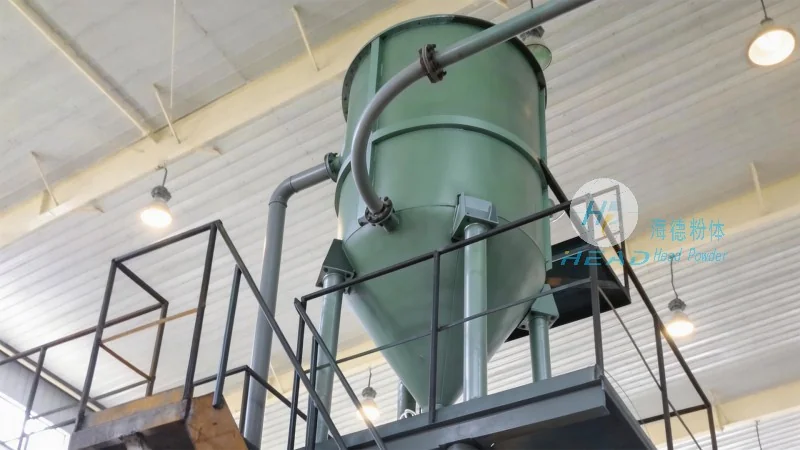
Pneumatic conveying systems utilize air pressure or vacuum to transport bulk materials like sawdust and wood chips from one location to another. These systems are widely used in woodworking, biomass processing, and manufacturing due to their ability to handle fine or irregularly shaped particles without the need for mechanical components that might cause wear or blockages. The primary goal of such systems is to ensure smooth, continuous material flow while minimizing downtime and maintenance costs.
There are two main categories of pneumatic conveying systems: pressure and vacuum. Each type has distinct characteristics and is suitable for different operational requirements.
Pressure systems operate by forcing air through the material, typically using a positive pressure blower or compressor. This method is ideal for applications where the material needs to be transported over longer distances or to higher elevations. The high-pressure air ensures that the material is fully suspended and moves efficiently through the pipeline. A common type is the positive displacement blower, which provides consistent air flow and pressure, making it suitable for handling abrasive or sticky sawdust and wood chips.
Vacuum systems, on the other hand, use a vacuum pump to create a negative pressure that draws the material into the system. These systems are often preferred for short-distance or in-plant transfers, as they can handle materials from multiple sources and are less likely to cause dust emissions compared to pressure systems. The vacuum method is particularly effective for collecting sawdust from production lines or processing areas, as it can capture material from various points and transport it to a central collection point.
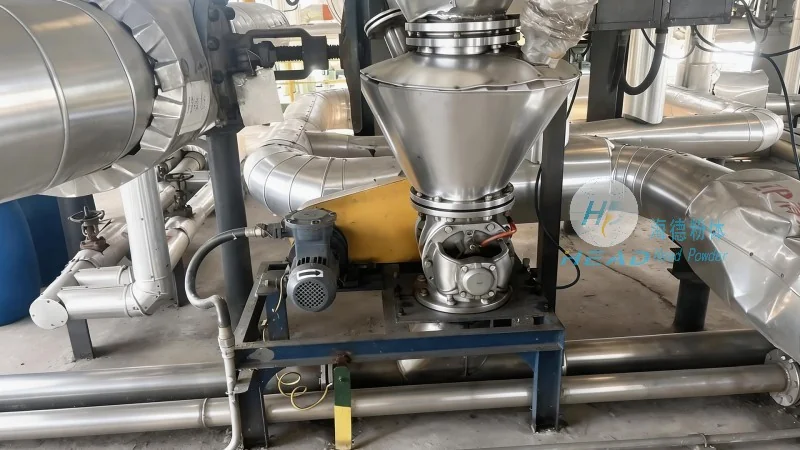
When evaluating pneumatic conveying systems for sawdust and wood chips, several key features should be considered to ensure optimal performance and longevity.
The capacity of a pneumatic conveying system is determined by the size of the blower, the diameter of the pipeline, and the material's bulk density. For sawdust and wood chips, which have varying particle sizes and densities, systems are designed to handle specific flow rates. For example, a pressure system might handle up to 10 tons per hour for fine sawdust, while a vacuum system may be more suitable for lower flow rates, such as 2-5 tons per hour, depending on the application.
Efficiency is a critical factor in the operation of pneumatic conveying systems. Modern systems incorporate energy-saving features, such as variable frequency drives (VFDs) that adjust air flow based on the material load. This not only reduces energy consumption but also extends the life of the blower and other components. Additionally, the use of high-efficiency filters and proper pipeline design minimizes pressure drop, ensuring consistent material flow with minimal energy waste.
Sawdust and wood chips can be abrasive and may contain moisture, which can affect the lifespan of the equipment. High-quality materials, such as stainless steel or corrosion-resistant alloys, are used in the construction of the conveying lines, hoppers, and blower housings to withstand the harsh conditions. Regular maintenance, including filter changes and blower inspections, is essential to prevent system failures and ensure long-term reliability.
The versatility of pneumatic conveying systems makes them suitable for a wide range of applications in the woodworking and biomass industries.
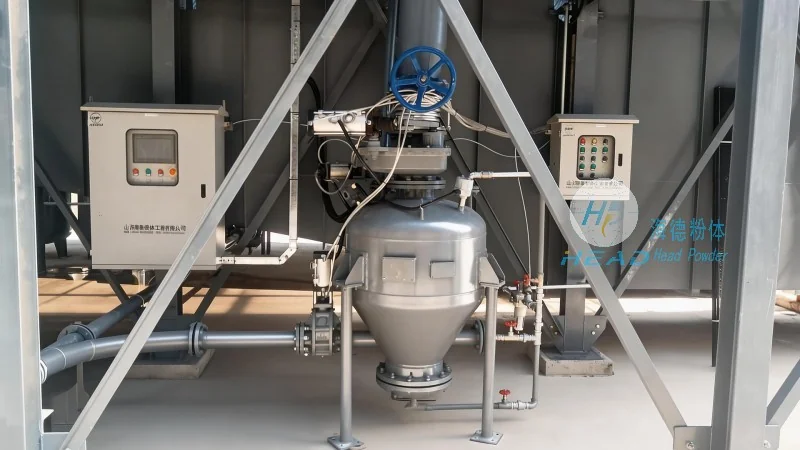
In woodworking facilities, pneumatic conveying systems are used to transport sawdust and wood chips from cutting machines, sanders, and other processing equipment to storage silos or waste disposal areas. This helps maintain a clean and organized workspace while preventing dust accumulation that could affect equipment performance or worker safety. The systems are also used to feed raw materials to production lines, ensuring a steady supply of wood chips for manufacturing processes.
Biomass power plants and biofuel facilities rely on pneumatic conveying systems to transport wood chips and sawdust to combustion chambers or processing units. The ability to handle large volumes of material efficiently is crucial for maintaining consistent fuel supply and optimizing energy production. These systems are designed to handle high moisture content and varying particle sizes, ensuring reliable operation even under demanding conditions.
Many industrial facilities generate sawdust and wood chips as waste products. Pneumatic conveying systems are used to collect and transport this waste to recycling or disposal sites. By centralizing the waste collection process, these systems help reduce labor costs and improve overall waste management efficiency. The systems can also be integrated with other processes, such as drying or pelletizing, to convert waste into valuable byproducts.
Pneumatic conveying systems are an essential component in the efficient handling of sawdust and wood chips. By understanding the different types, key features, and application ranges, industries can select the most suitable system for their specific needs. The systems offer advantages such as reduced labor costs, improved safety, and increased productivity, making them a worthwhile investment for any operation dealing with bulk materials. As technology continues to advance, future pneumatic conveying systems will likely incorporate more automation and energy-saving features, further enhancing their performance and reliability.

 Shandong Headpowder Engineering Co., Ltd.
 156-6277-7102(Manager Zhang)
  0531-83386006
  Zhangqiu District, Jinan City, Shandong Province, China
telephone
WeChatconsult
top