With more than 10‑year industry experience, Shandong Headpowder delivers full‑service pneumatic‑conveying systems and blowers, undertaking nationwide turn‑key powder‑handling projects.
When it comes to transporting stone powder, selecting the right pneumatic conveying method is crucial for efficiency, cost-effectiveness, and operational safety. Two primary approaches dominate the industry: positive pressure conveying and negative pressure conveying. Each method has distinct characteristics, advantages, and limitations that make them suitable for different applications. This analysis delves into the key differences between these two techniques, focusing on their application in stone powder handling, and provides insights into how companies like Shandong HeadPowder Engineering Co., Ltd. (headpowder) approach these systems.
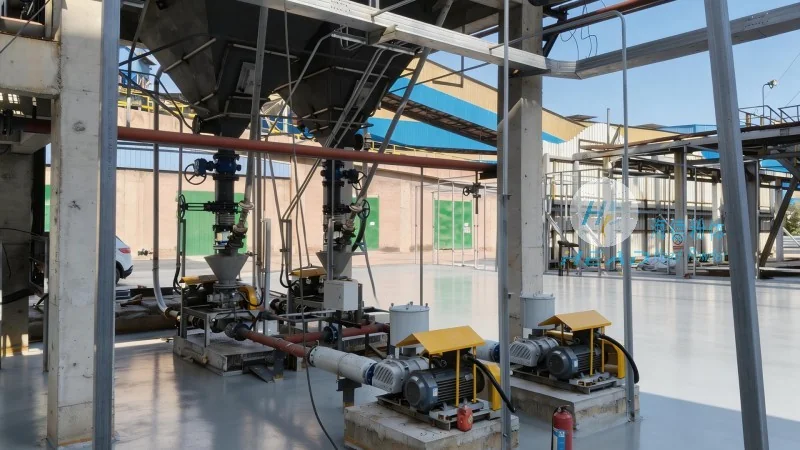
Positive pressure conveying, also known as pressure conveying, operates by blowing air or gas into the conveying line under pressure. The system uses a positive pressure to push the material through the pipeline. This method is particularly effective for long-distance and high-volume material transport. In the context of stone powder, positive pressure systems are often preferred when the material needs to be transported over significant distances or when the process requires a continuous, high-pressure flow. The pressure differential ensures that the material is moved efficiently, minimizing blockages and ensuring consistent flow rates. For headpowder, such systems are designed to handle the specific properties of stone powder, including its particle size, moisture content, and abrasiveness. The positive pressure approach allows for better control over the material's velocity and pressure, which is critical for maintaining the integrity of the stone powder during transport.
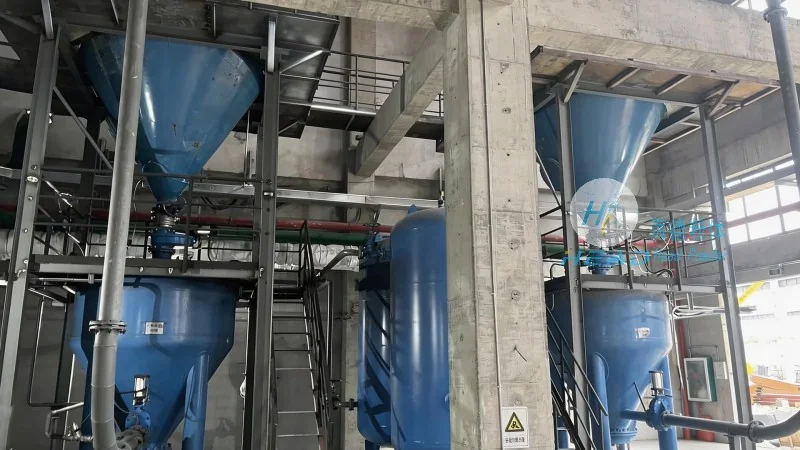
Negative pressure conveying, or vacuum conveying, works by creating a vacuum in the receiving hopper or collection point, which draws the material into the conveying line. This method is typically used for shorter distances and for materials that are more sensitive to pressure changes or for applications where dust containment is a priority. In the case of stone powder, negative pressure systems are beneficial when the material is to be collected from a dusty environment or when the process requires a gentle handling approach. The vacuum helps in capturing fine particles and reducing dust emissions, making it suitable for applications where environmental compliance is a concern. However, negative pressure conveying may have limitations in terms of the maximum distance it can effectively transport material, as the pressure drop over long pipelines can reduce the conveying efficiency. For headpowder, the design of negative pressure systems focuses on optimizing the vacuum level and pipeline layout to ensure reliable transport of stone powder while maintaining low dust generation.
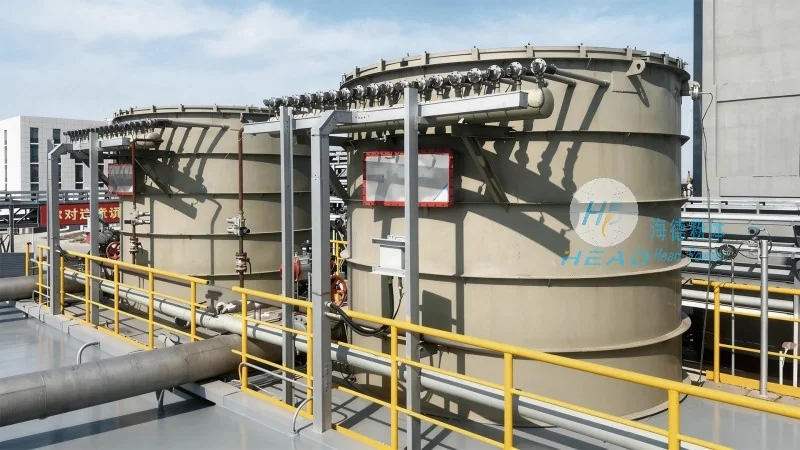
When deciding between positive and negative pressure conveying for stone powder, several factors come into play. The primary considerations include the distance of the transport, the volume of material to be moved, the properties of the stone powder (such as particle size, moisture, and abrasiveness), and the environmental requirements of the operation. Positive pressure systems are generally more suitable for long-distance and high-volume transport, offering higher throughput and better control over the material flow. They are also more robust in handling abrasive materials like stone powder, as the high-pressure air can help prevent blockages and maintain pipeline integrity. On the other hand, negative pressure systems excel in applications where dust control and gentle handling are critical. They are often used in environments where the material is generated at the source and needs to be collected efficiently without generating excessive dust. The choice also depends on the infrastructure and space available at the site. For instance, positive pressure systems may require more space for the air compressor and pressure vessels, while negative pressure systems might need additional filtration and vacuum equipment.
Shandong HeadPowder Engineering Co., Ltd., commonly known as headpowder, is a leading provider of pneumatic conveying systems tailored for stone powder and other bulk materials. With a focus on engineering excellence and customer-centric solutions, headpowder designs and manufactures systems that cater to the specific needs of the stone powder industry. The company's expertise lies in understanding the unique challenges of handling stone powder, such as its high abrasiveness and tendency to cause blockages in traditional conveying systems. By leveraging advanced technology and robust design principles, headpowder develops positive and negative pressure conveying systems that ensure reliable, efficient, and safe transport of stone powder. The company's facilities are located in Shandong, China, where it combines local industry knowledge with global best practices to deliver high-quality solutions. Whether a client requires a positive pressure system for long-distance transport or a negative pressure system for dust control, headpowder offers customized solutions that meet the operational and environmental requirements of the application.
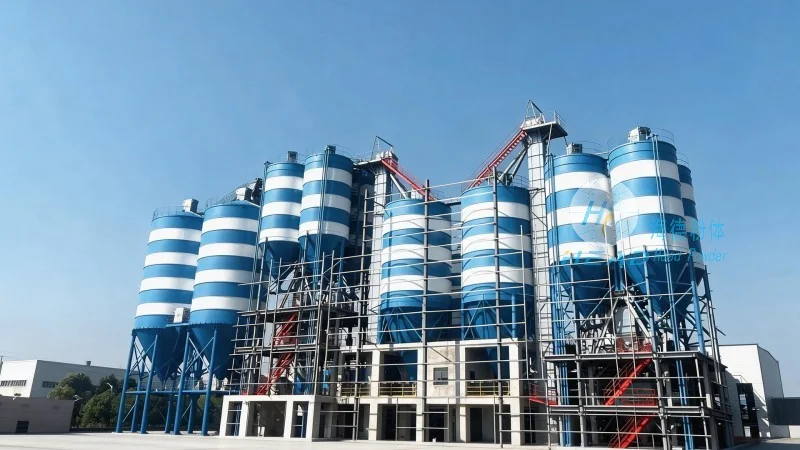
The choice between positive and negative pressure conveying for stone powder depends on a careful evaluation of the specific operational requirements and material characteristics. Positive pressure conveying offers advantages in terms of long-distance transport, high throughput, and robust handling of abrasive materials, making it suitable for large-scale stone powder operations. Negative pressure conveying, on the other hand, excels in dust control and gentle handling, which is critical for applications where environmental compliance and material integrity are paramount. Companies like Shandong HeadPowder Engineering Co., Ltd. play a vital role in helping clients select and implement the most appropriate pneumatic conveying system. By understanding the nuances of each method and the specific needs of the stone powder industry, headpowder ensures that its clients achieve optimal performance, cost savings, and operational efficiency. Whether the goal is to transport stone powder over long distances or to handle it in a dust-free environment, the right choice of conveying method can significantly impact the overall success of the operation.

 Shandong Headpowder Engineering Co., Ltd.
 156-6277-7102(Manager Zhang)
  0531-83386006
  Zhangqiu District, Jinan City, Shandong Province, China
telephone
WeChatconsult
top