With more than 10‑year industry experience, Shandong Headpowder delivers full‑service pneumatic‑conveying systems and blowers, undertaking nationwide turn‑key powder‑handling projects.
Pneumatic conveying is a widely used method for transporting bulk materials, including powders and granules, through a pipeline using air or other gases. The process involves creating a flow of air that moves the material from the source to the destination. There are two primary methods of pneumatic conveying: positive pressure and negative pressure systems. This article provides a detailed comparison of these two approaches, focusing on their applications and characteristics, particularly in the context of transporting chromium oxide.
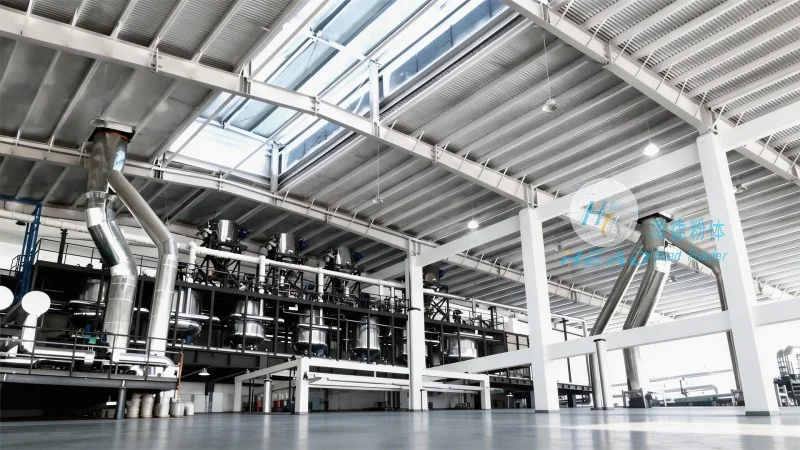
Positive pressure conveying operates by generating a higher pressure inside the conveying line compared to the ambient air pressure. The material is introduced into the pipeline at the inlet, and the air is then forced through the line, carrying the material along. This method is often preferred for long-distance or high-capacity applications. In the case of chromium oxide, positive pressure systems can effectively handle the material's properties, such as its density and flowability. The high pressure ensures that the material is transported efficiently without significant degradation or segregation. Additionally, positive pressure systems are generally more robust and can handle abrasive or corrosive materials, which is relevant for chromium oxide, a compound that may have such characteristics depending on its form and processing.
Negative pressure conveying, also known as suction conveying, works by creating a lower pressure inside the conveying line than the ambient air pressure. The material is drawn into the pipeline from the source, and the air is then pulled through the line, carrying the material to the destination. This method is typically used for shorter distances or when the material needs to be collected from a variety of points. For chromium oxide, negative pressure systems can be advantageous in applications where the material is to be collected from a hopper or a storage bin. The lower pressure reduces the risk of dust emissions and can be more suitable for handling fine powders that are prone to clogging or bridging. However, negative pressure systems may have limitations in terms of distance and capacity compared to positive pressure systems, as the pressure drop over long distances can be significant.
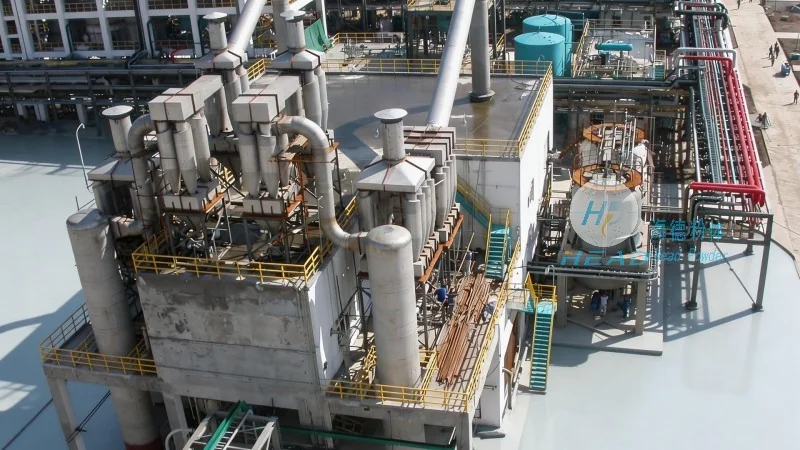
When comparing positive and negative pressure conveying for chromium oxide, several factors must be considered. The choice between the two systems depends on the specific requirements of the application, including the distance of the transport, the capacity needed, and the characteristics of the material. Positive pressure systems are generally more suitable for long-distance, high-volume transport and can handle more abrasive or corrosive materials. Negative pressure systems, on the other hand, are better suited for short-distance, low-volume applications and are often preferred for handling fine powders that require minimal pressure to avoid clogging. Another important consideration is the energy consumption. Positive pressure systems typically consume more energy due to the need to generate high pressure, while negative pressure systems may have lower energy costs but can be less efficient over long distances. Additionally, the maintenance requirements differ between the two systems. Positive pressure systems may require more frequent maintenance of the air compressor and pipeline components, while negative pressure systems may need more attention to the suction equipment and filtration systems.
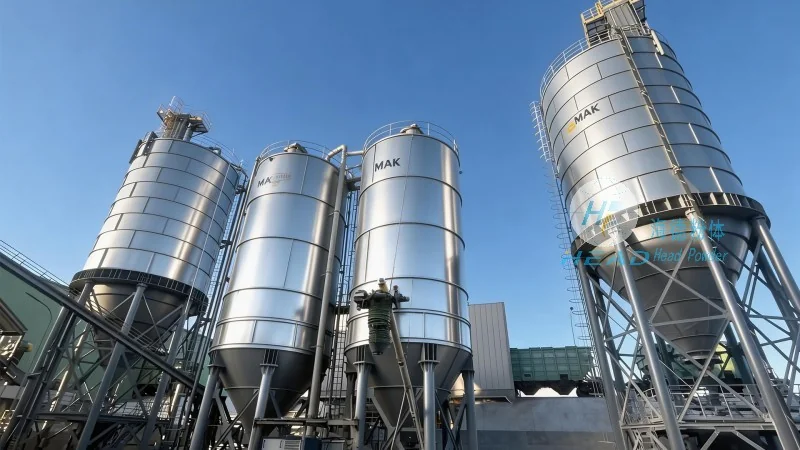
Both positive and negative pressure conveying systems are used in the handling of chromium oxide, depending on the specific process requirements. For example, in a large-scale production facility, a positive pressure system may be used to transport chromium oxide from a storage silo to a processing plant over a distance of several kilometers. The high pressure and capacity of the system ensure that the material is delivered efficiently and without interruption. In contrast, a negative pressure system may be used to collect chromium oxide from a hopper in a laboratory or a small-scale production setting, where the material needs to be transported over a short distance and with minimal dust emissions. The choice of system also depends on the form of chromium oxide being handled. If the material is in a fine powder form, negative pressure systems may be preferred to avoid clogging and maintain the material's quality. If the material is in a more granular form, positive pressure systems may be more effective in ensuring consistent flow and preventing segregation.
In conclusion, both positive pressure and negative pressure conveying systems offer viable options for transporting chromium oxide, with each having its own advantages and limitations. The selection of the appropriate system depends on the specific application requirements, including distance, capacity, material characteristics, and energy considerations. By understanding the differences between these two methods, industry professionals can make informed decisions to optimize the handling of chromium oxide and other bulk materials. As a leading provider of engineering solutions for material handling, Shandong HeadPowder Engineering Co., Ltd. specializes in designing and implementing customized pneumatic conveying systems tailored to the unique needs of each client, ensuring efficient and reliable transport of materials like chromium oxide.

 Shandong Headpowder Engineering Co., Ltd.
 156-6277-7102(Manager Zhang)
  0531-83386006
  Zhangqiu District, Jinan City, Shandong Province, China
telephone
WeChatconsult
top