With more than 10‑year industry experience, Shandong Headpowder delivers full‑service pneumatic‑conveying systems and blowers, undertaking nationwide turn‑key powder‑handling projects.
HeadPowder, a leading engineering firm based in Shandong, China, specializes in the design and implementation of advanced material handling solutions. This article provides a technical analysis of pneumatic conveying systems for magnesium sulfate, focusing on the comparison between positive pressure and negative pressure conveying modes. The goal is to help industry professionals understand the operational principles, advantages, and practical considerations of each system type, enabling informed decision-making for efficient material transport in industrial applications.
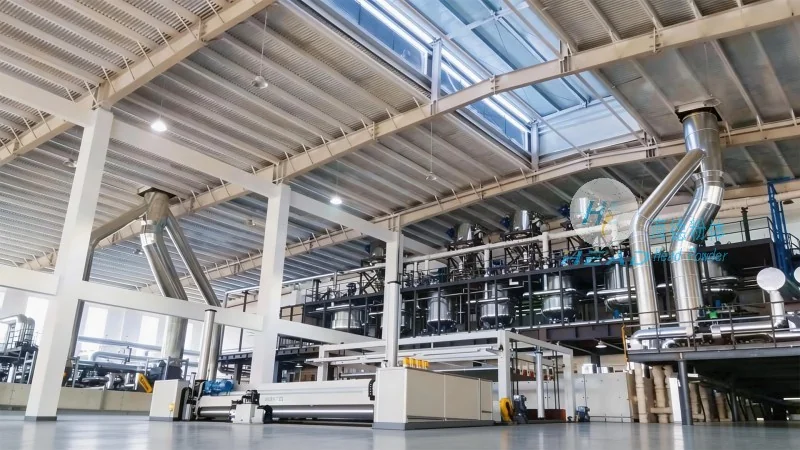
Pneumatic conveying systems are widely used in the chemical and mineral processing industries to transport bulk materials like magnesium sulfate from one location to another. These systems utilize air or gas as the conveying medium, eliminating the need for mechanical components such as belts or buckets. For magnesium sulfate, which is often handled in large quantities and requires precise control over particle flow, the choice of conveying mode—positive pressure or negative pressure—plays a critical role in system efficiency, cost-effectiveness, and operational safety.
Positive pressure conveying systems operate by blowing air or gas into the conveying line, creating a pressure higher than the ambient atmosphere. This method propels the material forward through the pipeline. In the context of magnesium sulfate, positive pressure systems offer several advantages. First, they are highly effective for long-distance and high-capacity transport, as the pressurized air can maintain consistent flow rates over extended distances. Second, positive pressure systems are generally more suitable for abrasive or corrosive materials like magnesium sulfate, as the high-pressure air helps to break up agglomerates and prevent material buildup in the pipeline. Additionally, these systems are often easier to install and maintain, as they require fewer components and less complex control mechanisms.
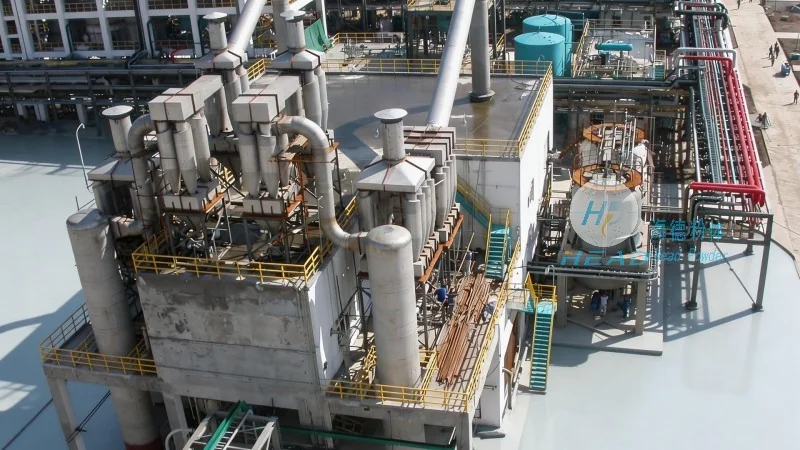
Negative pressure conveying systems, also known as suction or vacuum systems, operate by creating a vacuum in the conveying line, which draws material from the source into the system. This method is particularly useful for applications where the material needs to be transported from a higher elevation to a lower one, or where the source is located in a confined space. For magnesium sulfate, negative pressure systems have their own set of benefits. One key advantage is that they are less likely to cause dust emissions during operation, as the vacuum draws material into the system rather than expelling it. This makes them more suitable for applications where environmental regulations are stringent. Additionally, negative pressure systems can handle materials with a wider range of particle sizes and moisture content, as the vacuum helps to maintain material integrity during transport.
When selecting between positive pressure and negative pressure conveying modes for magnesium sulfate, several factors must be considered. The first is the distance and elevation change between the source and destination. Positive pressure systems are typically preferred for longer distances or when the destination is at a higher elevation, as they can maintain sufficient pressure to overcome gravitational forces. Conversely, negative pressure systems are more efficient for short distances or when the material needs to be moved from a higher to a lower level. Another critical factor is the material characteristics of magnesium sulfate, including its particle size distribution, moisture content, and flowability. Materials with high moisture content or cohesive properties may require additional equipment, such as pre-drying or agglomeration, to ensure smooth transport in either system. Additionally, the cost of installation and maintenance should be evaluated. Positive pressure systems may have lower initial costs but higher operational costs due to the energy required to maintain pressure, while negative pressure systems may have higher initial costs but lower operational costs due to the use of vacuum pumps.
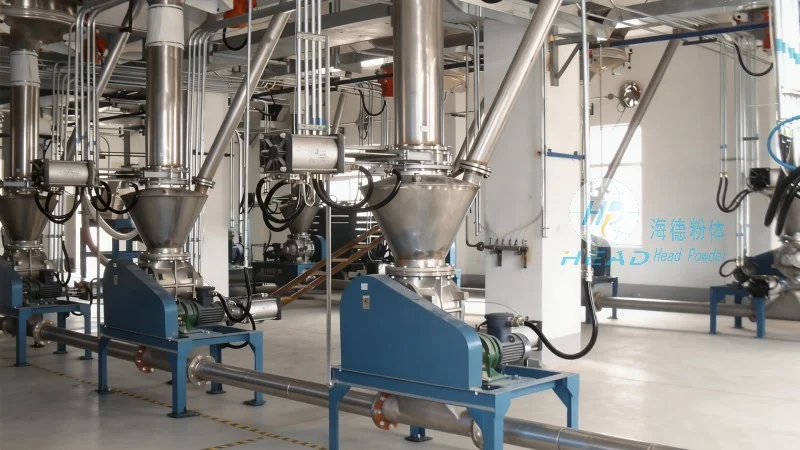
HeadPowder Engineering Co., Ltd., based in Shandong, China, has extensive experience in designing and implementing pneumatic conveying systems tailored to the specific needs of magnesium sulfate applications. The company’s engineers work closely with clients to assess their operational requirements, material properties, and budget constraints, then recommend the most suitable conveying mode and system configuration. Whether a positive pressure or negative pressure system is chosen, HeadPowder ensures that the design incorporates features such as air filtration, material separation, and pressure control to maximize efficiency and minimize downtime. The company also provides ongoing support and maintenance services to ensure that the system operates at peak performance throughout its lifecycle.
In conclusion, the choice between positive pressure and negative pressure pneumatic conveying modes for magnesium sulfate depends on a variety of factors, including distance, elevation, material characteristics, and operational requirements. Both systems have their own advantages and limitations, and the optimal solution is determined by a careful analysis of these factors. HeadPowder Engineering Co., Ltd., with its expertise in material handling and pneumatic conveying technology, is well-positioned to assist clients in selecting and implementing the most effective system for their specific needs, ensuring efficient and reliable transport of magnesium sulfate in industrial applications.

 Shandong Headpowder Engineering Co., Ltd.
 156-6277-7102(Manager Zhang)
  0531-83386006
  Zhangqiu District, Jinan City, Shandong Province, China
telephone
WeChatconsult
top