With more than 10‑year industry experience, Shandong Headpowder delivers full‑service pneumatic‑conveying systems and blowers, undertaking nationwide turn‑key powder‑handling projects.
When designing a pneumatic conveying system for dried chili peppers, several critical factors must be considered to ensure efficiency, reliability, and product integrity. This article outlines key design considerations that professionals in the food processing industry should keep in mind when developing such systems. The focus is on practical, actionable advice to help engineers and operations managers select and implement the most suitable equipment for their specific needs.
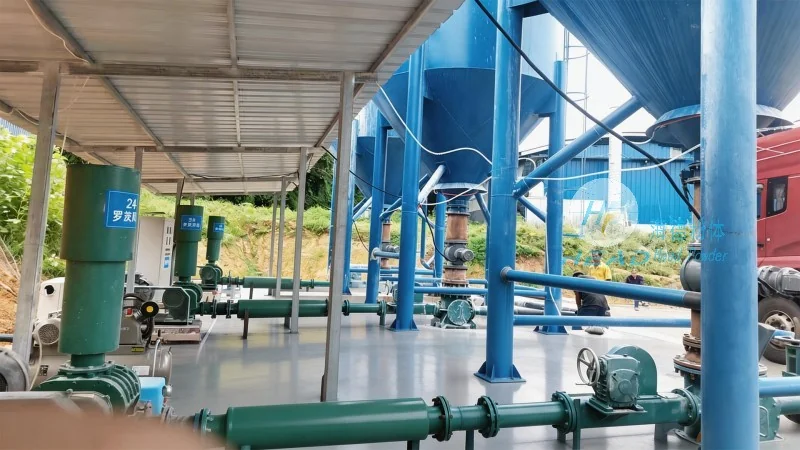
A pneumatic conveying system for dried chili peppers typically consists of several key components, each playing a vital role in the overall operation. These include the material feed hopper, the conveyor pipeline, the air supply system (blowers or compressors), and the discharge unit. Each component must be carefully selected and integrated to ensure smooth material flow and minimal product degradation.
Dried chili peppers have distinct physical and chemical properties that influence the design of the pneumatic conveying system. For instance, their irregular shape and potential for static electricity can affect air flow and material handling. The system must be designed to handle these characteristics without causing blockages or product damage. Additionally, the system should be constructed from materials that are non-reactive with the chili peppers and easy to clean, adhering to food safety standards.
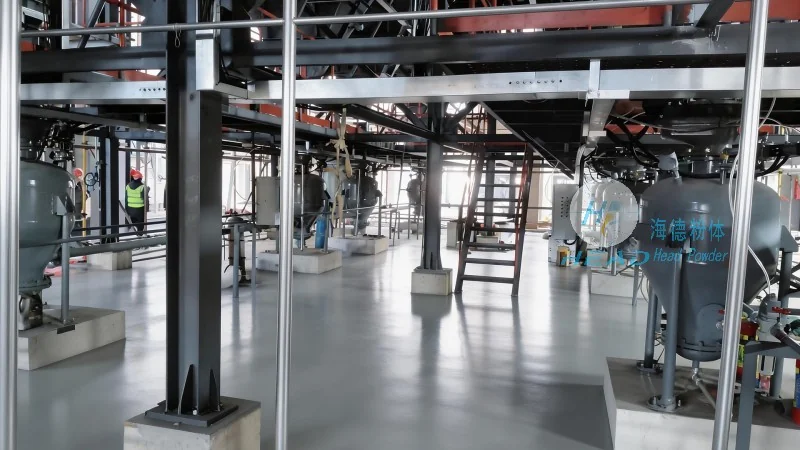
Choosing between positive pressure and negative pressure systems is a fundamental decision in pneumatic conveying design. Positive pressure systems use a blower to push air and material through the pipeline, while negative pressure systems use a vacuum to draw material into the system. For dried chili peppers, positive pressure systems are often preferred due to their ability to handle abrasive materials and their lower risk of product contamination from external air. However, the choice depends on the specific application, such as the distance and height of the material transport, as well as the required flow rate.
The feed hopper is the starting point of the pneumatic conveying system and must be designed to handle the bulk material efficiently. It should be equipped with a feeder, such as a rotary valve or a screw feeder, to regulate the material flow into the pipeline. The hopper should also be designed to prevent material bridging or caking, which can disrupt the flow. The material of construction, such as stainless steel, is essential to ensure durability and compliance with food safety regulations.
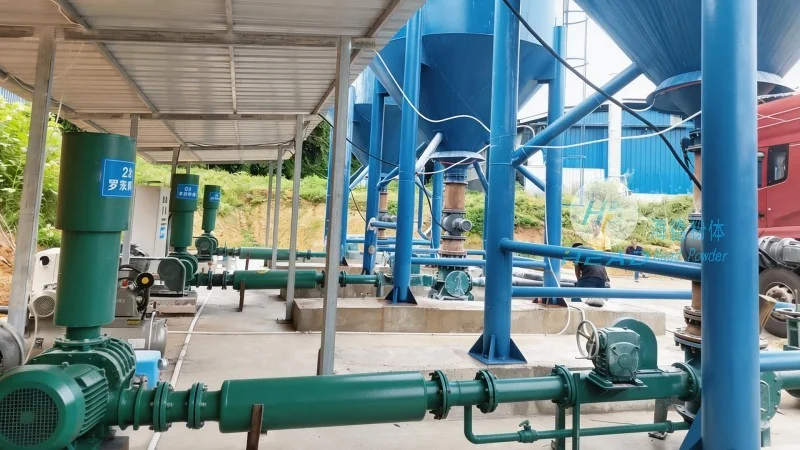
The pipeline design is critical for maintaining consistent airflow and preventing material deposition. The pipeline diameter and length must be optimized to balance pressure drop and material velocity. Excessive pressure drop can lead to reduced conveying capacity, while insufficient velocity may cause material settling or blockages. The use of smooth, corrosion-resistant materials, such as stainless steel or PTFE-coated pipes, is recommended to minimize friction and ensure long-term performance.
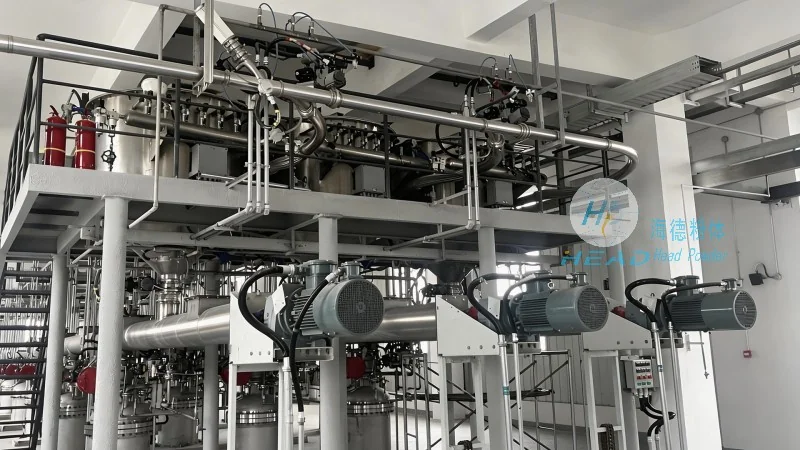
Controlling the pressure and flow rate is essential for maintaining the efficiency of the pneumatic conveying system. The system should be equipped with pressure sensors and flow meters to monitor and adjust the air supply as needed. This ensures that the material is conveyed at the optimal velocity, reducing energy consumption and wear on components. Proper control also helps prevent overloading the system, which can lead to system failure or product damage.
Maintenance is a critical aspect of ensuring the long-term reliability of a pneumatic conveying system. Regular inspection of components, such as the blower, feeder, and pipeline, is necessary to identify and address potential issues before they escalate. The system should also be equipped with safety features, such as pressure relief valves and emergency shut-off mechanisms, to protect operators and equipment from accidents. Proper maintenance and safety measures are essential for minimizing downtime and ensuring product quality.

 Shandong Headpowder Engineering Co., Ltd.
 156-6277-7102(Manager Zhang)
  0531-83386006
  Zhangqiu District, Jinan City, Shandong Province, China
telephone
WeChatconsult
top