With more than 10‑year industry experience, Shandong Headpowder delivers full‑service pneumatic‑conveying systems and blowers, undertaking nationwide turn‑key powder‑handling projects.
When designing a pneumatic conveying system for soap granules, several critical factors must be considered to ensure efficient operation, reliability, and cost-effectiveness. This article outlines key design considerations that engineers and facility managers should address when implementing such systems.
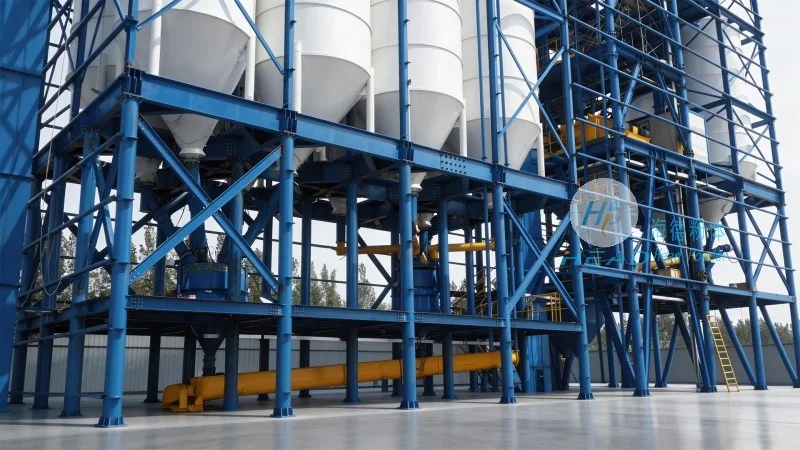
Pneumatic conveying systems transport solid materials like soap granules using air or other gases as the conveying medium. These systems are widely used in the chemical and personal care industries due to their ability to handle abrasive or sticky materials without the need for mechanical components that might cause wear or contamination. The primary goal of a well-designed system is to maintain consistent material flow, minimize pressure drops, and prevent material degradation or blockages.
1. **Material Properties Analysis**: Before designing the system, it is essential to thoroughly analyze the physical and chemical properties of the soap granules. Factors such as particle size distribution, density, moisture content, and abrasiveness directly impact the selection of equipment and system configuration. For example, larger or more abrasive particles may require higher air velocities and more robust equipment to prevent wear and clogging. Understanding these properties helps in selecting the appropriate conveying velocity and equipment type, such as dilute-phase or dense-phase systems.
2. **System Configuration and Layout**: The layout of the pneumatic conveying system significantly affects its performance. The system should be designed with a clear understanding of the material flow path, including the number of transfer points, vertical and horizontal runs, and the overall system length. Properly planning the layout helps in minimizing pressure losses and ensuring smooth material transfer. For instance, vertical lifts require higher air velocities to overcome gravity, while horizontal runs may use lower velocities but need adequate pipeline diameter to maintain flow. The system should also consider the need for expansion joints or flexible connectors to accommodate thermal expansion and reduce stress on the pipeline.
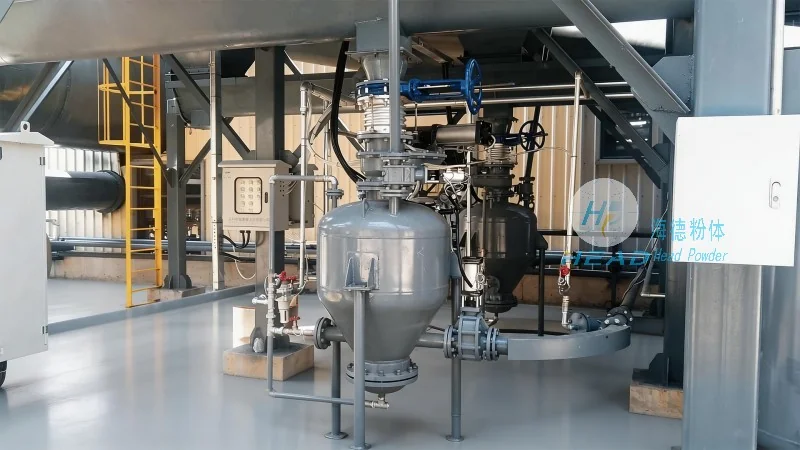
3. **Airflow and Pressure Management**: Maintaining optimal airflow and pressure is crucial for the efficient operation of the system. The air velocity must be sufficient to keep the material in suspension but not so high that it causes excessive energy consumption or material degradation. The pressure drop across the system components, including the feeders, pipelines, and receivers, should be carefully calculated to ensure the system operates within the specified pressure range. Proper pressure management also helps in preventing dust emissions and maintaining a safe working environment. Engineers often use computational fluid dynamics (CFD) simulations to model the airflow and identify potential bottlenecks or areas of high pressure loss.
4. **Equipment Selection and Integration**: Choosing the right equipment for each component of the system is vital. The feeders, which introduce the soap granules into the system, must be capable of handling the material's characteristics without causing blockages or uneven flow. Common feeder types include rotary valves, star feeders, and screw feeders, each with its own advantages and limitations. The pipelines should be made of materials resistant to the chemical properties of the soap granules, such as stainless steel or specialized plastics, to prevent corrosion and material contamination. The receivers, where the material is deposited, should be designed to handle the material's bulk density and prevent spillage or re-entrainment of dust.
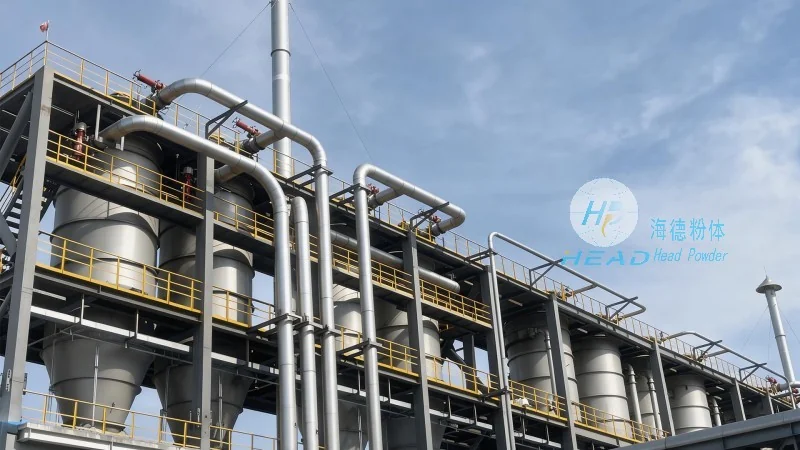
Soap granules can present unique challenges during pneumatic conveying due to their properties. For example, they may be sticky or have a tendency to agglomerate, which can lead to blockages in the system. To address this, engineers may incorporate equipment such as vibrators or agitators in the system to break up agglomerates and ensure consistent flow. Additionally, the system should be designed with provisions for cleaning and maintenance, as soap granules can leave residue on equipment surfaces. Regular maintenance schedules and the use of cleaning agents can help in maintaining system efficiency and extending equipment life.
Energy consumption is a significant factor in the operation of pneumatic conveying systems. Designing the system to minimize energy use while maintaining performance is essential for cost-effectiveness. This can be achieved by optimizing the air velocity, selecting the appropriate pipeline diameter, and using efficient equipment such as high-efficiency blowers or fans. Additionally, the system should be equipped with pressure sensors and flow meters to monitor performance and detect any issues early, allowing for timely adjustments to maintain optimal operation. By focusing on energy efficiency, companies can reduce operational costs and improve their environmental footprint.
Designing a pneumatic conveying system for soap granules requires a comprehensive approach that considers material properties, system layout, airflow management, and equipment selection. By addressing these key design considerations, engineers can develop a system that operates efficiently, reliably, and cost-effectively. The expertise of companies like Shandong HeadPowder Engineering Co., Ltd. (headpowder) is crucial in ensuring that these systems are designed and implemented to meet the specific needs of the soap manufacturing industry. With proper planning and execution, pneumatic conveying systems can provide a sustainable and efficient solution for transporting soap granules in various production settings.

 Shandong Headpowder Engineering Co., Ltd.
 156-6277-7102(Manager Zhang)
  0531-83386006
  Zhangqiu District, Jinan City, Shandong Province, China
telephone
WeChatconsult
top