With more than 10‑year industry experience, Shandong Headpowder delivers full‑service pneumatic‑conveying systems and blowers, undertaking nationwide turn‑key powder‑handling projects.
When designing a paddy rice pneumatic conveying system, several critical factors must be considered to ensure efficient operation, minimize energy consumption, and maintain the quality of the rice. The system's performance is directly influenced by the design choices made during the planning phase, making it essential to address key aspects such as material flow, system pressure, and equipment selection.
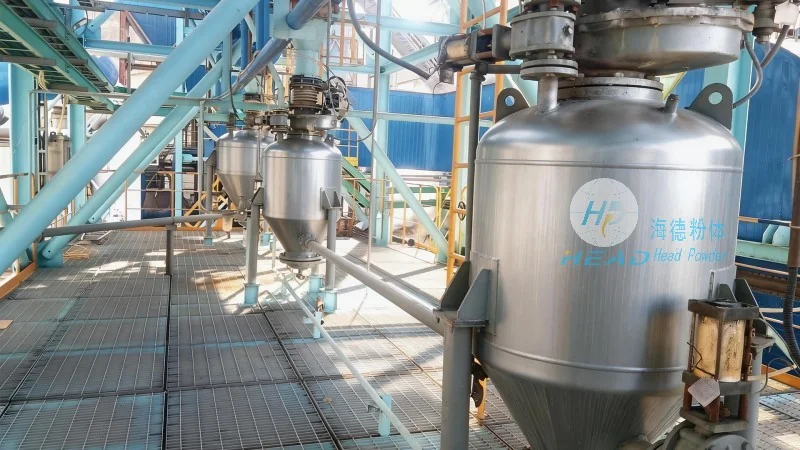
The design of a paddy rice pneumatic conveying system involves a comprehensive evaluation of various parameters to optimize performance and reliability. One of the primary considerations is the type of material being handled—paddy rice, which has distinct characteristics compared to other grains. The moisture content, grain size distribution, and potential for dust generation all impact the system's design requirements. For instance, higher moisture content can affect the air flow characteristics and may require adjustments to the conveying velocity and pressure.
System pressure is a critical parameter that determines the conveying capacity and distance. High-pressure systems are typically used for longer conveying distances or when handling materials with higher resistance to flow. In contrast, low-pressure systems are suitable for shorter distances and lighter loads. The airflow rate must be carefully calculated to ensure that the rice grains are fully suspended and transported without causing excessive wear on the system components. Proper airflow management also helps in maintaining the quality of the rice by preventing breakage or damage during the conveying process.
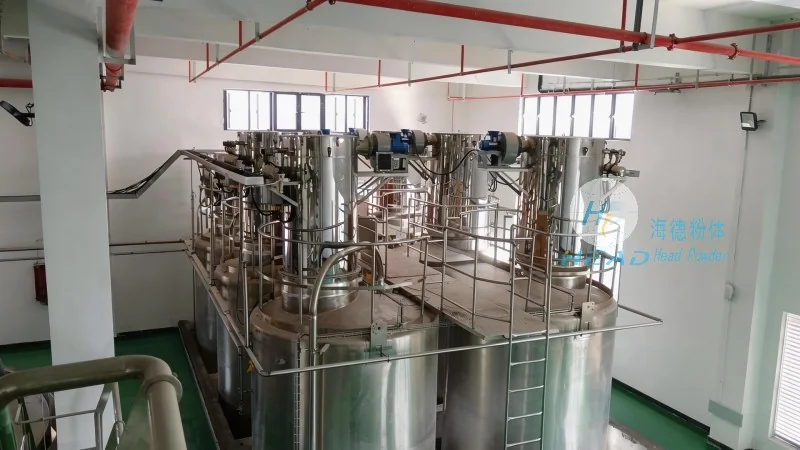
The selection of appropriate equipment, including the air compressor, conveying pipes, and separation devices, is crucial for the system's efficiency. The air compressor must be capable of delivering sufficient pressure and volume to meet the system's demands. The choice of pipe material, such as stainless steel or plastic, depends on factors like corrosion resistance, cost, and the type of material being conveyed. Separation devices, such as cyclones or filters, are essential for removing dust and separating the rice from the air stream, ensuring that the system operates cleanly and efficiently.
Energy efficiency is a significant consideration in the design of pneumatic conveying systems, as it directly impacts operational costs. The system's design should aim to minimize energy consumption while maintaining the required conveying capacity. This can be achieved through proper sizing of the air compressor, optimizing the airflow rate, and using energy-efficient components. Additionally, regular maintenance and monitoring of the system can help in identifying and addressing inefficiencies, further reducing operational costs.
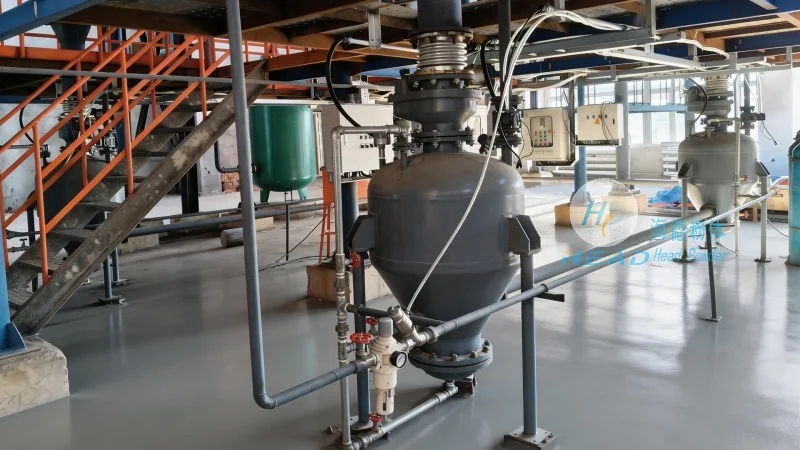
Maintaining the quality of paddy rice during the conveying process is essential, and this requires careful attention to the system's design and operation. The system should be designed to minimize grain breakage and prevent contamination. Regular maintenance, including cleaning of the pipes and separation devices, is necessary to ensure that the system operates efficiently and maintains the quality of the rice. Proper training of operators and adherence to maintenance schedules are also critical for the long-term performance of the system.
Shandong HeadPowder Engineering Co., Ltd., a leading provider of pneumatic conveying solutions, specializes in designing and manufacturing systems tailored to the needs of the agricultural industry. With years of experience in the field, the company has developed expertise in handling various grain types, including paddy rice. The company's commitment to quality and innovation has made it a trusted partner for businesses seeking reliable and efficient pneumatic conveying systems. Based in Shandong, China, HeadPowder Engineering offers comprehensive services, from system design and installation to maintenance and support, ensuring that clients receive the best possible solutions for their conveying needs.

 Shandong Headpowder Engineering Co., Ltd.
 156-6277-7102(Manager Zhang)
  0531-83386006
  Zhangqiu District, Jinan City, Shandong Province, China
telephone
WeChatconsult
top