With more than 10‑year industry experience, Shandong Headpowder delivers full‑service pneumatic‑conveying systems and blowers, undertaking nationwide turn‑key powder‑handling projects.
For businesses in industries such as pharmaceuticals, food processing, and chemical manufacturing, the efficient and reliable transportation of dry materials is a critical operational requirement. Pneumatic conveying systems offer a solution that minimizes contamination risks while ensuring smooth material handling. However, the design of these systems requires careful consideration of various factors to ensure optimal performance and longevity. This article outlines key design considerations for dry material pneumatic conveying systems, drawing on the expertise of Shandong HeadPowder Engineering Co., Ltd., a leading provider in the field.
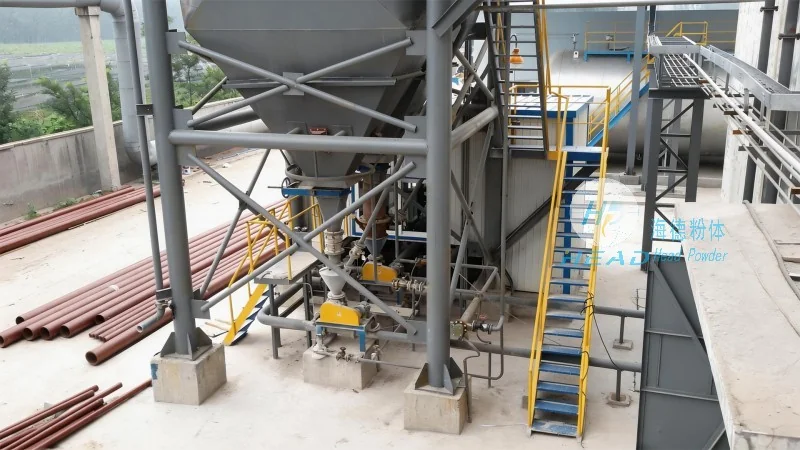
The first step in designing a dry material pneumatic conveying system is to thoroughly analyze the properties of the material being transported. Key characteristics include particle size, density, moisture content, and flowability. These factors directly influence the choice of system type—such as pressure or vacuum systems—and the selection of appropriate components like hoppers, feeders, and pipelines. For example, materials with high moisture content may require special drying or conditioning steps before being conveyed to prevent clogging or degradation. Understanding these material properties allows engineers to select the most suitable conveying method, whether it's a positive pressure system for abrasive or corrosive materials or a negative pressure system for sensitive products.
Accurate system sizing is essential to prevent underperformance or excessive energy consumption. Engineers must calculate the required airflow rate, pressure drop, and system capacity based on the material's bulk density and the distance between the source and destination. Over-sizing can lead to unnecessary energy costs, while under-sizing may result in poor material flow or system failure. Shandong HeadPowder Engineering Co., Ltd. employs advanced computational fluid dynamics (CFD) and material flow analysis to ensure precise sizing. This approach considers factors like pipeline length, number of bends, and the presence of filters or cyclones, which all impact the overall system performance. Proper capacity planning also involves accounting for future expansion needs, ensuring the system can adapt to increased production demands without major modifications.
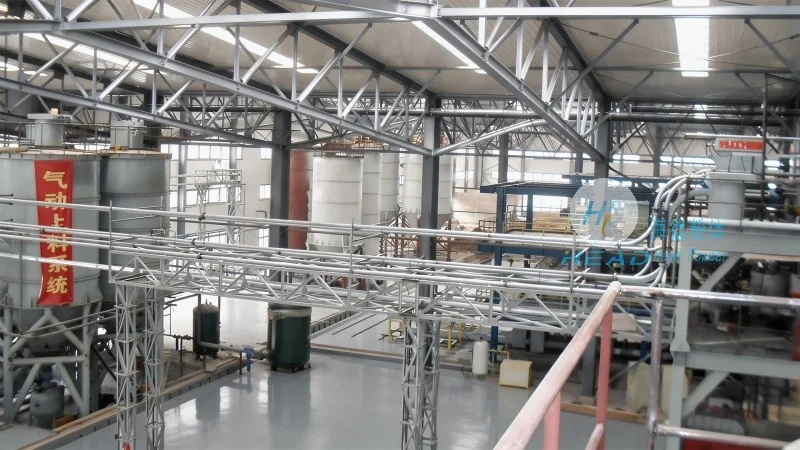
The design of the conveying pipeline is a critical aspect of system performance. The choice of pipeline material—such as stainless steel, plastic, or aluminum—depends on the material's compatibility and the operating environment. For example, stainless steel is preferred for pharmaceutical or food applications due to its hygienic properties, while plastic may be suitable for non-corrosive materials. The pipeline layout should minimize bends and changes in direction to reduce pressure losses and prevent material buildup. Engineers also consider the use of inline filters and cyclones to separate entrained particles from the air stream, ensuring clean material delivery and protecting downstream equipment. Additionally, the inclusion of pressure relief valves and vacuum breakers is essential for safety and system stability. Shandong HeadPowder Engineering Co., Ltd. specializes in custom pipeline designs that optimize material flow while maintaining efficiency and reliability.
Each component in a dry material pneumatic conveying system plays a vital role in overall performance. The hopper and feeder must be designed to provide consistent material feed, preventing surges or blockages. For cohesive materials, a rotary valve or star feeder may be necessary to ensure smooth discharge. The air compressor or vacuum pump must be matched to the system's requirements, with considerations for power consumption and noise levels. The use of high-quality seals and bearings in components like rotary valves and pumps is crucial for minimizing wear and extending service life. Shandong HeadPowder Engineering Co., Ltd. integrates all components seamlessly, ensuring compatibility and optimal performance. This includes matching the compressor's capacity to the system's airflow needs and selecting appropriate filter media to maintain air quality.
Modern dry material pneumatic conveying systems benefit from advanced control systems that enhance operational efficiency and safety. Automation allows for real-time monitoring of system parameters, such as pressure, flow rate, and material level. This enables immediate adjustments to maintain optimal performance and prevent issues like overpressure or vacuum loss. The control system should also include safety features, such as emergency shut-off valves and alarms for abnormal conditions. Shandong HeadPowder Engineering Co., Ltd. offers integrated control solutions that can be customized to meet specific operational needs. These systems may include programmable logic controllers (PLCs), human-machine interfaces (HMIs), and remote monitoring capabilities, providing operators with comprehensive control over the conveying process.
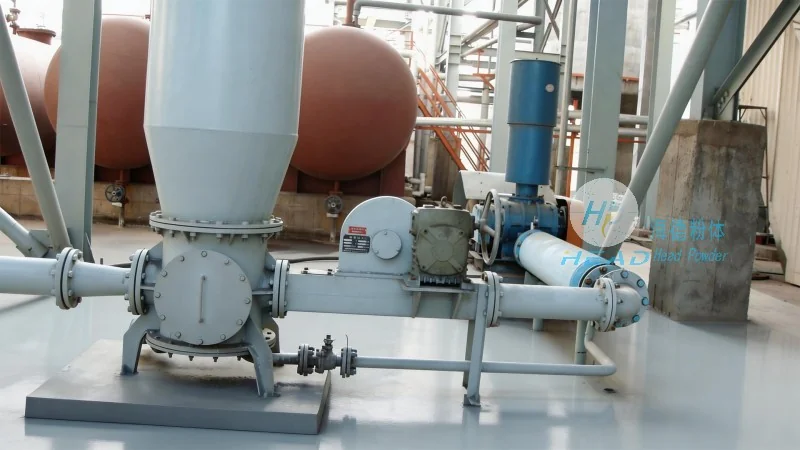
Proper maintenance is essential to ensure the long-term reliability of a dry material pneumatic conveying system. Regular cleaning of pipelines, filters, and cyclones is necessary to prevent material buildup and maintain system efficiency. The use of high-quality materials and components reduces the frequency of maintenance and extends the system's service life. Shandong HeadPowder Engineering Co., Ltd. provides comprehensive maintenance services, including scheduled inspections and component replacement. This proactive approach helps prevent unexpected downtime and ensures the system operates at peak performance throughout its lifecycle.
Designing a dry material pneumatic conveying system requires a comprehensive approach that considers material properties, system sizing, pipeline design, component selection, control systems, and maintenance. By addressing these factors, businesses can achieve efficient, reliable, and cost-effective material handling solutions. Shandong HeadPowder Engineering Co., Ltd. combines technical expertise with practical experience to deliver customized solutions that meet the unique needs of each client. Whether for new installations or system upgrades, their commitment to quality and performance ensures that clients receive systems that enhance operational efficiency and support long-term growth.

 Shandong Headpowder Engineering Co., Ltd.
 156-6277-7102(Manager Zhang)
  0531-83386006
  Zhangqiu District, Jinan City, Shandong Province, China
telephone
WeChatconsult
top