With more than 10‑year industry experience, Shandong Headpowder delivers full‑service pneumatic‑conveying systems and blowers, undertaking nationwide turn‑key powder‑handling projects.
Caustic soda, also known as sodium hydroxide, is a widely used chemical in various industrial processes. The efficient and safe transportation of caustic soda from storage to processing units is crucial for maintaining operational efficiency and ensuring worker safety. Pneumatic conveying systems offer a reliable solution for this purpose, but their design requires careful consideration of several key factors to ensure optimal performance and longevity.
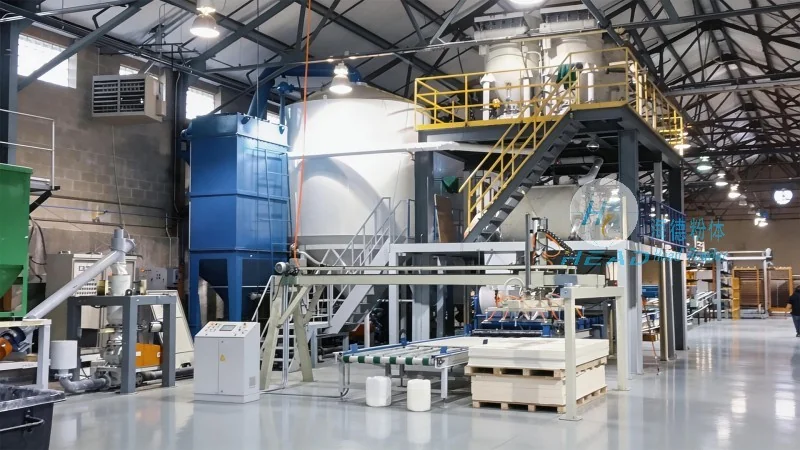
When designing a caustic soda pneumatic conveying system, several critical aspects must be addressed to prevent system failures, minimize maintenance costs, and ensure compliance with safety regulations. The following sections outline the essential design considerations that professionals in the field should prioritize.
The choice of materials for components such as hoppers, pipelines, and conveying equipment is paramount when handling caustic soda. Caustic soda is highly corrosive and can degrade many common materials over time. Stainless steel, particularly 316L, is often recommended for its excellent resistance to corrosion and chemical attack. Additionally, specialized coatings or linings may be applied to metal surfaces to further enhance durability. The system's design must also account for the abrasive nature of caustic soda particles, which can cause wear on internal components. Using wear-resistant materials or adding protective liners in high-stress areas can significantly extend the system's operational life.
Accurate system sizing is essential to ensure that the pneumatic conveying system can handle the required flow rates without excessive pressure drops or energy consumption. The flow rate of caustic soda depends on factors such as the material's bulk density, particle size, and the desired conveying distance. Engineers must calculate the appropriate air volume and pressure to maintain a stable and efficient flow. Over-sizing the system can lead to unnecessary energy costs, while under-sizing may result in poor material transport or even system blockages. Utilizing computational fluid dynamics (CFD) simulations can help optimize the system design and predict performance under different operating conditions.
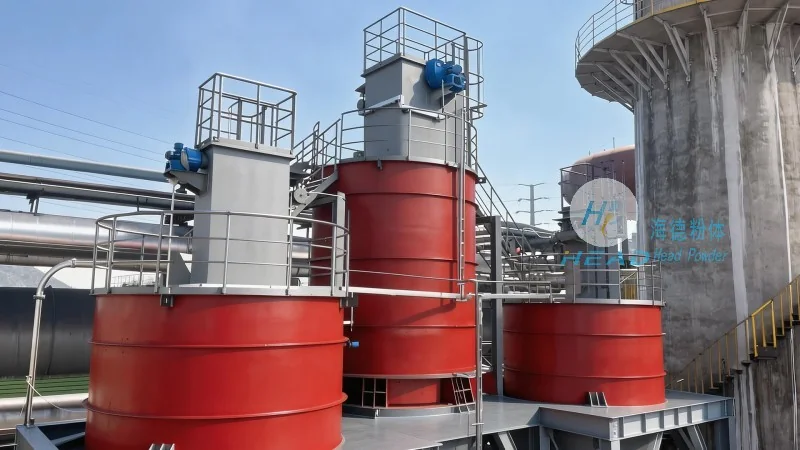
Caustic soda is prone to forming lumps or agglomerates, which can cause blockages in the conveying system. Proper material conditioning, such as pre-drying or pre-milling, can help reduce the formation of lumps and improve flow characteristics. The design of the hopper and feed mechanism is critical to prevent material bridging and ensure a consistent feed rate. Additionally, incorporating vibration or agitation devices in the hopper can help break up any agglomerates and maintain a uniform flow. For systems handling fine powders, air classification or cyclone separators may be used to remove oversized particles that could cause blockages.
The type of pneumatic conveying system—positive pressure, negative pressure, or a combination—depends on the application and the distance between the source and destination. Positive pressure systems are commonly used for short to medium distances, as they provide better control over material flow and are less prone to air leakage. Negative pressure systems are suitable for long-distance conveying or when the material needs to be transported into a closed environment. The design must consider the maximum allowable pressure and vacuum levels to prevent equipment failure and ensure safety. Proper pressure relief valves and vacuum breakers are essential components to protect the system from overpressure or vacuum-related issues.
Handling caustic soda requires strict adherence to safety protocols to protect workers and the environment. The system design must include features such as explosion-proof motors, fire suppression systems, and emergency shutdown mechanisms. Proper ventilation and dust collection systems are necessary to prevent the accumulation of caustic soda dust, which can be hazardous if inhaled. The system should also be designed to minimize the risk of leaks or spills, with containment measures in place to capture any accidental releases. Compliance with local and national regulations regarding chemical handling and environmental protection is mandatory and should be integrated into the design process from the outset.
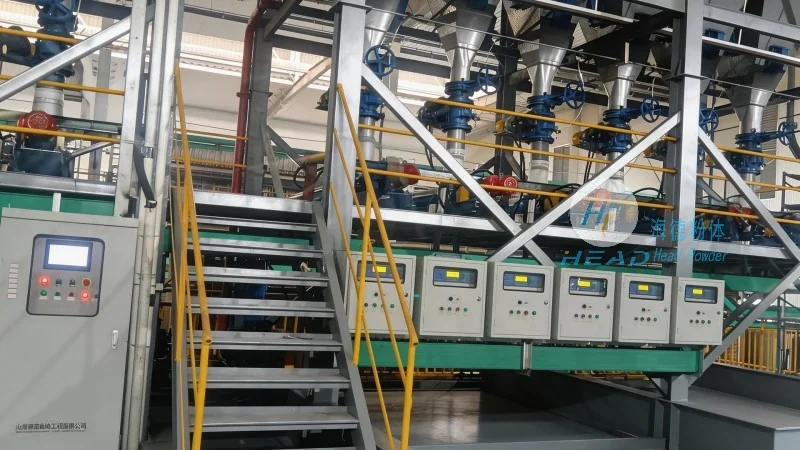
When installing a new caustic soda pneumatic conveying system, it is often necessary to integrate it with existing industrial infrastructure. This requires careful coordination to ensure compatibility with the current layout, power supply, and material handling processes. The system design must account for the existing equipment, such as storage tanks, processing units, and control systems, to avoid conflicts or inefficiencies. Consulting with experienced engineers and using standardized interfaces can help streamline the integration process and minimize downtime during installation.
A well-designed caustic soda pneumatic conveying system is only as good as its maintenance and operational support. Regular maintenance, including cleaning of filters, checking for wear on components, and monitoring pressure and flow rates, is essential to prevent system failures. The system should be equipped with diagnostic tools and sensors that provide real-time data on performance, allowing for proactive maintenance and quick troubleshooting. Training operators on proper system operation and maintenance procedures is also critical to ensure the system operates efficiently and safely over its lifespan.
Designing a caustic soda pneumatic conveying system requires a comprehensive approach that considers material properties, system performance, safety, and integration with existing infrastructure. By addressing the key design considerations outlined above, engineers can develop a system that is reliable, efficient, and cost-effective. For businesses in need of such systems, partnering with a reputable engineering company like Shandong HeadPowder Engineering Co., Ltd. can provide the expertise and support necessary to achieve optimal results. With their experience in chemical processing and pneumatic conveying, HeadPowder offers tailored solutions that meet the specific needs of each client, ensuring long-term success in handling caustic soda safely and effectively.

 Shandong Headpowder Engineering Co., Ltd.
 156-6277-7102(Manager Zhang)
  0531-83386006
  Zhangqiu District, Jinan City, Shandong Province, China
telephone
WeChatconsult
top