With more than 10‑year industry experience, Shandong Headpowder delivers full‑service pneumatic‑conveying systems and blowers, undertaking nationwide turn‑key powder‑handling projects.
Shandong HeadPowder Engineering Co., Ltd., commonly known as headpowder, specializes in engineering solutions for the fertilizer industry, particularly in the design and implementation of pneumatic conveying systems for compound fertilizers. Pneumatic conveying is a critical technology in modern fertilizer processing, enabling efficient and safe transport of bulk materials from production to storage or packaging facilities. This article provides a detailed overview of the design calculations and equipment selection processes essential for optimizing compound fertilizer pneumatic conveying systems.
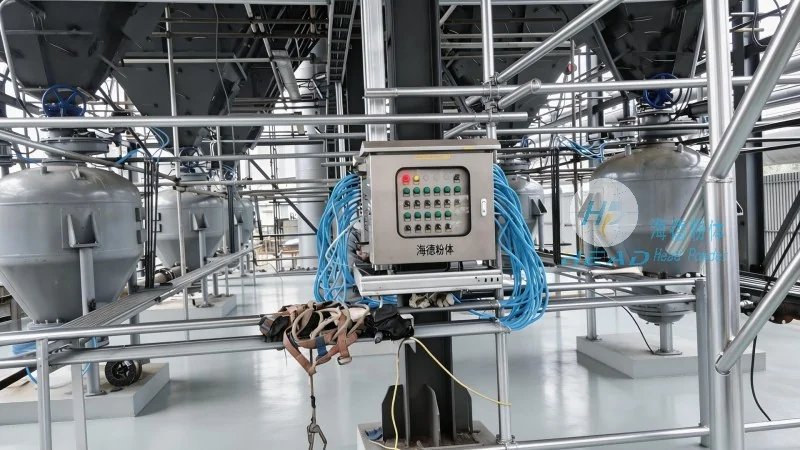
The successful design of a pneumatic conveying system for compound fertilizers hinges on several key factors that directly impact system performance, efficiency, and longevity. The first step in the design process involves a thorough analysis of the material properties, as compound fertilizers often consist of a mixture of granules, powders, and possibly additives. Key material characteristics include particle size distribution, bulk density, flowability, and moisture content. These properties influence the selection of the conveying method—whether positive pressure, negative pressure, or a combination—and the required air velocity and pressure levels.
System layout and distance are another critical design parameter. The distance between the feed point and the discharge point, as well as any changes in elevation or direction, must be carefully considered. The design must account for the total pressure drop across the system, including losses due to bends, fittings, and the conveying line itself. Accurate pressure drop calculations are essential to determine the appropriate air compressor capacity and the overall energy consumption of the system. Additionally, the system's capacity—measured in terms of material throughput per hour—must align with the production requirements of the fertilizer plant. This involves balancing the material flow rate with the air flow rate to ensure stable and continuous operation without excessive pressure or energy waste.
Choosing the right equipment for a compound fertilizer pneumatic conveying system is a critical decision that directly impacts system reliability and operational efficiency. The primary components of a pneumatic conveying system include the feed hopper and feeder, the air compressor or blower, the conveying line (typically made of stainless steel or other corrosion-resistant materials), and the separation and collection equipment. Each component must be selected based on the specific requirements of the fertilizer material and the system's operating conditions.
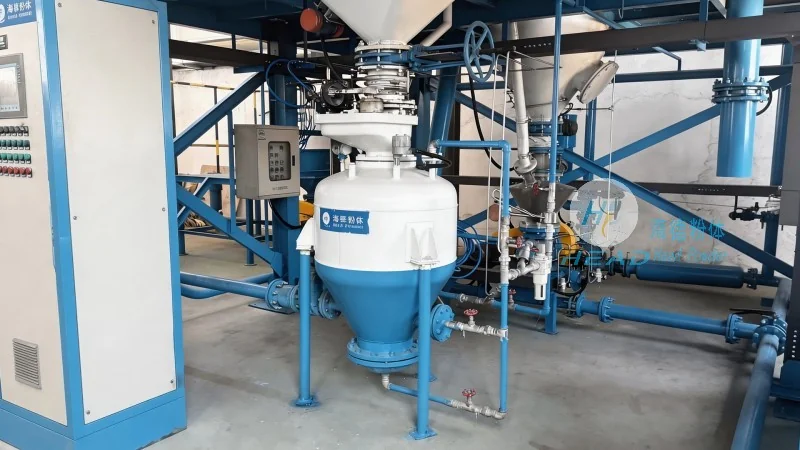
Feeders and hoppers are responsible for introducing the material into the conveying line at a controlled rate. For compound fertilizers, which may have varying flow properties, a suitable feeder such as a rotary valve, screw feeder, or vibratory feeder is typically used. The feeder must be designed to handle the material's bulk density and flowability, ensuring consistent feed without blockages or material degradation. The hopper, often equipped with a cone or wedge to promote flow, must be sized appropriately to store the required material volume and prevent segregation or agglomeration.
The air compressor or blower is the heart of the pneumatic conveying system, providing the necessary air pressure and volume to move the material. For positive pressure systems, a centrifugal or positive displacement blower is commonly used, while negative pressure systems typically employ a Roots blower or a fan. The selection of the compressor depends on the required pressure and flow rate, as well as the system's total pressure drop. It is essential to choose a compressor with sufficient capacity to overcome the pressure losses in the line and maintain the desired conveying velocity.
The conveying line is a critical component that must be selected for its durability and resistance to corrosion from the fertilizer material. Stainless steel is the most common material for conveying lines due to its corrosion resistance and ability to handle abrasive particles. The line diameter and length are determined based on the material flow rate and air velocity, with larger diameters used for higher capacities and longer distances. Proper installation of the line, including the use of appropriate bends and fittings, is crucial to minimize pressure losses and ensure smooth material flow.
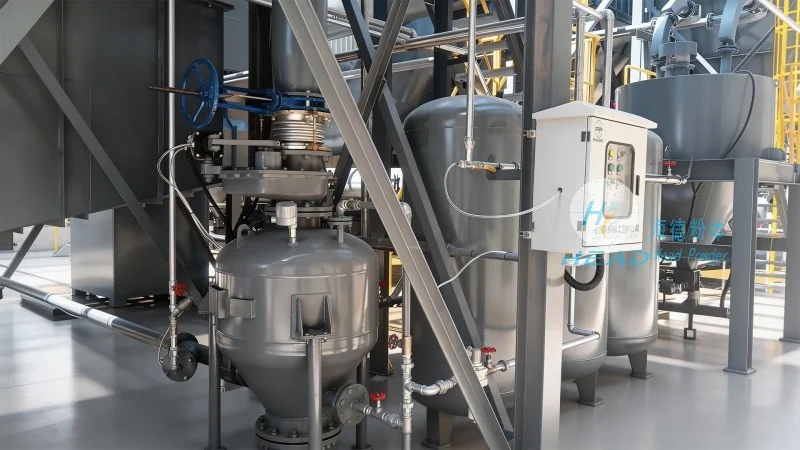
Separation and collection equipment, such as cyclones or bag filters, are used to separate the conveyed material from the air stream and collect it in a storage or processing container. The selection of the separation equipment depends on the particle size and density of the fertilizer material, as well as the required efficiency of the system. Cyclones are commonly used for larger particles, while bag filters are more suitable for fine powders. The design of the separation system must ensure that the material is collected efficiently without excessive air leakage or pressure drop.
Optimizing a pneumatic conveying system for compound fertilizers involves a combination of proper design, equipment selection, and operational management. Regular maintenance of the system components is essential to ensure long-term reliability and efficiency. This includes checking the condition of the feeder and hopper, monitoring the air compressor performance, and inspecting the conveying line for signs of wear or corrosion. Proper cleaning and maintenance of the separation equipment are also critical to prevent material buildup and maintain system efficiency.
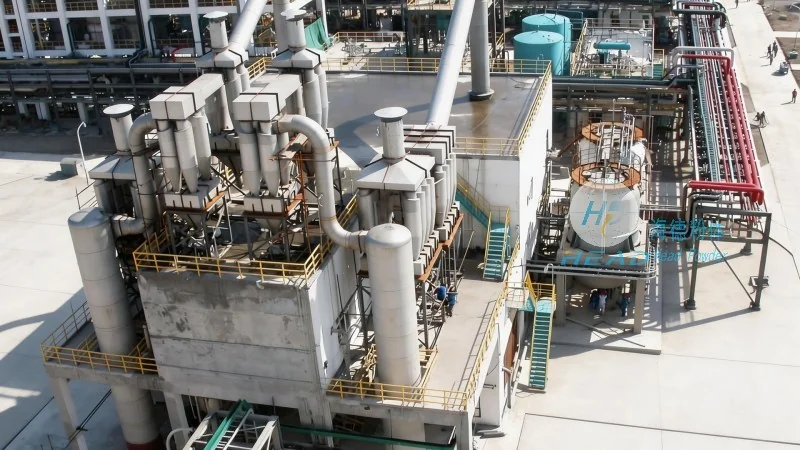
Another key aspect of optimization is the control of system parameters. The air velocity and pressure must be adjusted based on the material's flow properties and the system's operating conditions. For example, increasing the air velocity may improve material flow in some cases, but excessive velocity can lead to increased energy consumption and potential material degradation. Conversely, reducing the velocity may cause blockages or poor material transport. Therefore, careful monitoring and adjustment of these parameters are necessary to achieve optimal performance.
Additionally, the system's capacity and throughput must be regularly evaluated to ensure it meets the production requirements of the fertilizer plant. If the system is underutilized or overburdened, adjustments may be needed to the equipment or system layout. This may involve increasing the capacity of the feeder or compressor, or modifying the conveying line to accommodate higher flow rates.
In conclusion, the design and equipment selection for compound fertilizer pneumatic conveying systems are complex processes that require a deep understanding of material properties, system dynamics, and operational requirements. By carefully considering the key design factors and selecting appropriate equipment, fertilizer manufacturers can achieve efficient, reliable, and cost-effective material transport. Shandong HeadPowder Engineering Co., Ltd. specializes in providing comprehensive engineering solutions for these systems, helping clients optimize their fertilizer processing operations and improve overall productivity.

 Shandong Headpowder Engineering Co., Ltd.
 156-6277-7102(Manager Zhang)
  0531-83386006
  Zhangqiu District, Jinan City, Shandong Province, China
telephone
WeChatconsult
top