With more than 10‑year industry experience, Shandong Headpowder delivers full‑service pneumatic‑conveying systems and blowers, undertaking nationwide turn‑key powder‑handling projects.
Activated carbon is a critical material in many industrial processes, from water treatment and air purification to chemical manufacturing and pharmaceutical production. The efficient and reliable transport of activated carbon is essential to maintain process efficiency and product quality. Choosing the appropriate pneumatic conveying system is a crucial decision that can significantly impact operational costs, safety, and overall process performance. This guide will help you navigate the key considerations when selecting a pneumatic conveying system tailored to your activated carbon handling needs.
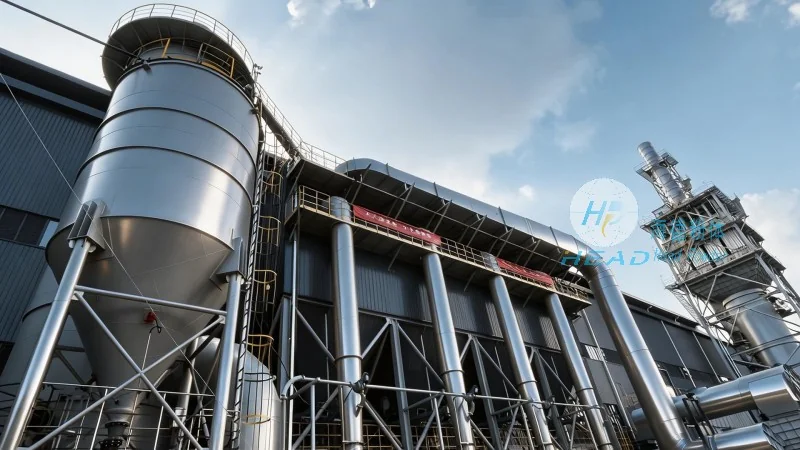
Shandong HeadPowder Engineering Co., Ltd. (HeadPowder) is a leading engineering and manufacturing company specializing in customized pneumatic conveying solutions for various bulk materials, including activated carbon. With years of experience in the industry, HeadPowder has developed a deep understanding of the unique challenges associated with handling activated carbon, such as its fine particle size, high moisture content, and abrasive properties. Our team of experts works closely with clients to design and implement systems that meet their specific operational requirements, ensuring optimal performance and long-term reliability.
When evaluating pneumatic conveying systems for activated carbon, several factors must be carefully considered to ensure the best fit for your process. The first step is to assess the physical properties of the activated carbon, including particle size distribution, bulk density, and moisture content. These characteristics will influence the type of system that can effectively handle the material without causing blockages or degradation. For example, fine-grained activated carbon may require a system with higher air velocity or specialized equipment to prevent clogging.
Another critical factor is the distance and layout of the conveying route. Short-distance applications might use a simple positive pressure system, while longer distances or complex layouts may necessitate a combination of positive and negative pressure stages, or even a multi-stage system. The choice of system also depends on the required flow rate and throughput, as well as the need for dust control and environmental compliance. Energy efficiency is another important consideration, as pneumatic conveying systems can be significant energy consumers. HeadPowder offers a range of energy-efficient solutions, including variable frequency drives and optimized air flow designs, to minimize operational costs.
There are two primary types of pneumatic conveying systems: positive pressure and negative pressure. Positive pressure systems use compressed air to push the material through the pipeline, while negative pressure systems use vacuum to draw the material into the system. Each type has its advantages and is suitable for different applications.
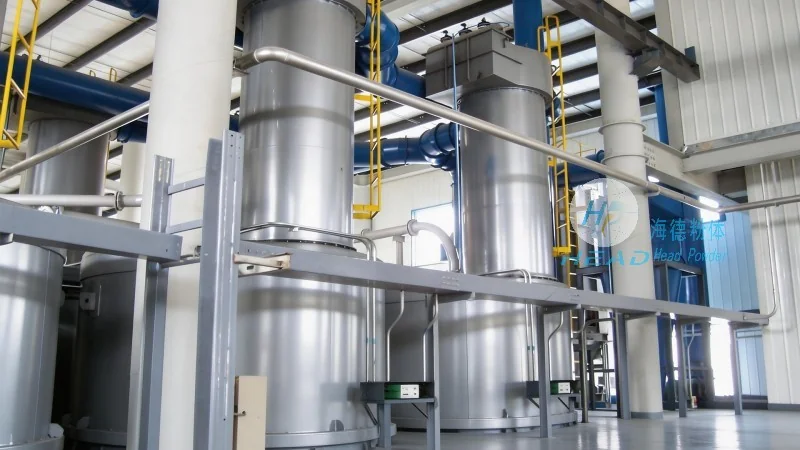
Positive pressure systems are often preferred for conveying activated carbon over long distances or in complex layouts. They are generally more reliable for handling abrasive or sticky materials, as the air pressure helps maintain flow and prevent blockages. However, they may require more maintenance due to the higher air pressure and potential for wear on components. Negative pressure systems, on the other hand, are better suited for applications where dust control is a priority, as they keep the material contained within the system and minimize emissions. They are also more suitable for short-distance conveying or when the material is to be transferred into a storage silo or hopper.
HeadPowder specializes in designing both positive and negative pressure systems, as well as hybrid systems that combine the benefits of both. Our engineers can evaluate your specific process and recommend the most appropriate system configuration. For instance, a typical activated carbon handling plant might use a positive pressure system for the initial conveying from the storage silo to the processing equipment, followed by a negative pressure system for transferring the material to a downstream unit or for dust collection.
Once the type of system is determined, the design phase involves several key considerations. The pipeline layout and material of construction are critical. Stainless steel is often preferred for activated carbon systems due to its resistance to corrosion and ability to handle abrasive materials. The pipeline diameter and length must be optimized to maintain the required air velocity and prevent pressure drop, which can lead to reduced flow or system failure.
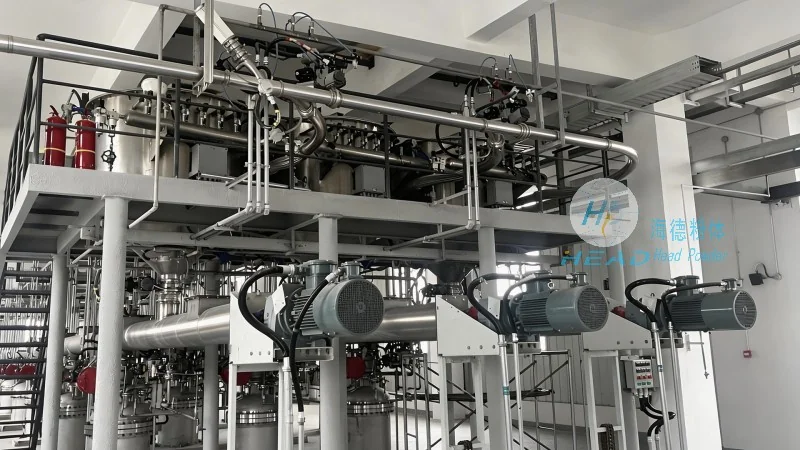
Component selection is another important aspect. HeadPowder uses high-quality components, such as high-efficiency air blowers, rotary valves, and cyclone separators, to ensure reliable operation. The air blower is a key component that determines the system's capacity and energy efficiency. We recommend using variable frequency drives (VFDs) to adjust the air flow based on the actual demand, reducing energy consumption during low-load periods.
Integration with existing equipment is also a crucial factor. The new pneumatic conveying system must be compatible with the existing storage, processing, and control systems. HeadPowder provides comprehensive integration services, ensuring that the new system works seamlessly with your current infrastructure. This includes coordinating with your control system supplier to ensure proper communication and control of the conveying process.
Proper maintenance is essential to ensure the long-term performance and reliability of the pneumatic conveying system. Regular inspection of components, such as the air blower, rotary valves, and cyclone separators, is necessary to detect and address any issues before they become major problems. HeadPowder offers maintenance services and spare parts supply to help clients keep their systems running smoothly.
Performance optimization is another area where HeadPowder can provide value. By monitoring system parameters such as air pressure, flow rate, and pressure drop, we can identify opportunities to improve efficiency. For example, if the pressure drop across the pipeline is increasing over time, it may indicate clogging or wear, which can be addressed by cleaning or replacing components. HeadPowder's team of experts can provide ongoing support to help clients maximize the performance of their system and extend its lifespan.

 Shandong Headpowder Engineering Co., Ltd.
 156-6277-7102(Manager Zhang)
  0531-83386006
  Zhangqiu District, Jinan City, Shandong Province, China
telephone
WeChatconsult
top