With more than 10‑year industry experience, Shandong Headpowder delivers full‑service pneumatic‑conveying systems and blowers, undertaking nationwide turn‑key powder‑handling projects.
For industrial facilities dealing with ash and slag, selecting the right pneumatic conveying system is crucial for efficiency and operational reliability. A well-designed system not only ensures smooth material transport but also minimizes downtime and maintenance costs. This article outlines key considerations and steps for designing a rational ash and slag pneumatic conveying system, with a focus on practical implementation and long-term performance. The guidance provided is based on the expertise of Shandong HeadPowder Engineering Co., Ltd., a leading provider of industrial material handling solutions.
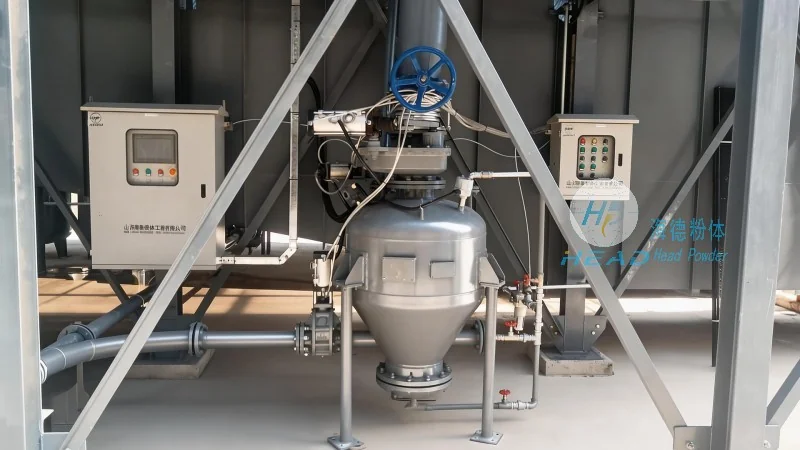
Before diving into system design, it's essential to understand the specific characteristics of the ash and slag materials being handled. These characteristics, such as particle size, moisture content, and density, directly impact the choice of conveying technology and system components. For example, high moisture content may require additional drying steps or specialized equipment to prevent clogging. Similarly, varying particle sizes can influence the selection of air flow rates and pipeline diameters. By thoroughly analyzing these material properties, engineers can tailor the system to meet operational demands effectively.
The success of an ash and slag pneumatic conveying system hinges on the integration of several critical components. These include the material feed hopper, which stores and feeds the material into the system; the air compressor, responsible for generating the necessary air pressure; the conveying pipeline, which transports the material; and the collection hopper or silo, where the material is deposited. Each component must be selected based on the specific material characteristics and system requirements. For instance, the feed hopper may need to be equipped with a rotary valve or screw feeder to ensure consistent material flow, preventing blockages and maintaining system stability. The air compressor, typically a positive displacement type, must be capable of delivering the required air volume and pressure to move the material through the pipeline efficiently.
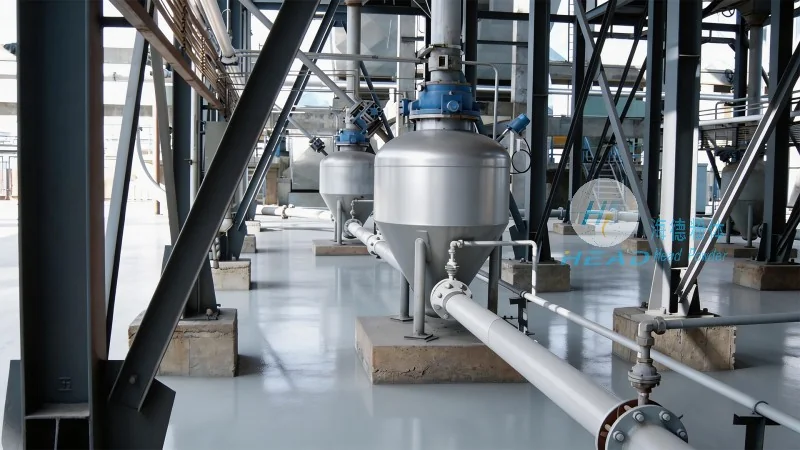
The pipeline design is a critical aspect of pneumatic conveying system performance. The diameter of the pipeline is determined by the material flow rate and air velocity, with larger diameters required for higher flow rates to reduce pressure drop and energy consumption. The pipeline layout should be optimized to minimize bends and changes in direction, as these can cause pressure losses and material deposition. Additionally, the use of smooth, corrosion-resistant materials for the pipeline, such as stainless steel or plastic, is essential to prevent material buildup and ensure long-term system reliability. Air flow management is equally important, as it directly affects the conveying efficiency. Proper air velocity, typically maintained between 20-30 meters per second for most ash and slag materials, ensures that the material is fully entrained and transported without clogging. The system must also include pressure relief valves and filters to protect against overpressure and maintain air quality.
For ash and slag with high moisture content, integrating drying or conditioning systems can significantly improve the performance of the pneumatic conveying system. Moisture can cause material clumping, which leads to clogging and reduced system efficiency. Drying systems, such as rotary dryers or fluidized bed dryers, can reduce the moisture content to acceptable levels, making the material more suitable for pneumatic transport. Conditioning systems, such as agitators or mixers, can also help break up clumps and improve material flow. These systems are typically integrated upstream of the feed hopper, ensuring that the material is in optimal condition before entering the conveying pipeline. The choice of drying or conditioning system depends on the specific moisture content and material properties, and should be selected based on energy efficiency and operational requirements.
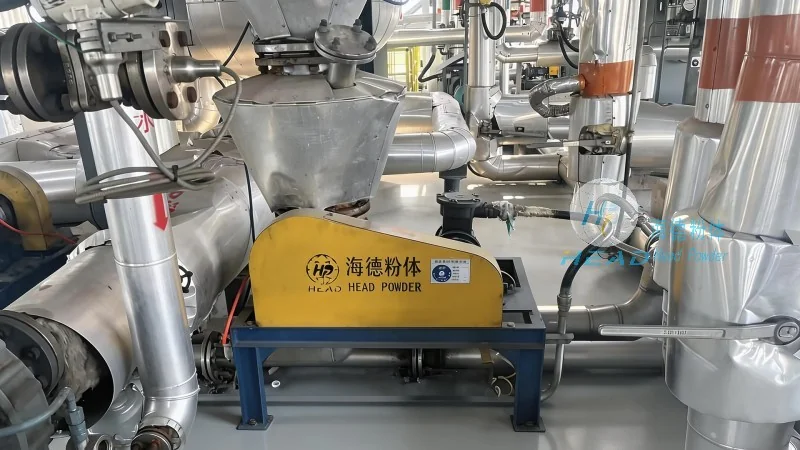
Ash and slag pneumatic conveying systems require regular maintenance to ensure long-term reliability and performance. Regular inspections of components such as the air compressor, pipeline, and feed hopper are essential to identify and address potential issues before they cause system failures. The use of high-quality materials and components, such as corrosion-resistant pipelines and durable feed hoppers, can reduce maintenance needs and extend the system's lifespan. Additionally, implementing a preventive maintenance schedule, including routine cleaning and component replacement, can minimize downtime and ensure consistent system performance. By prioritizing maintenance, industrial facilities can maximize the efficiency and reliability of their ash and slag handling operations.
Designing a rational ash and slag pneumatic conveying system requires a comprehensive approach that considers material characteristics, system components, and operational requirements. By understanding the core requirements, selecting appropriate components, and optimizing the pipeline and air flow, engineers can create a system that meets the specific needs of industrial facilities. The integration of drying or conditioning systems and regular maintenance further enhances system performance and reliability. With the right design and implementation, ash and slag pneumatic conveying systems can provide efficient and reliable material transport, contributing to improved operational efficiency and reduced costs.

 Shandong Headpowder Engineering Co., Ltd.
 156-6277-7102(Manager Zhang)
  0531-83386006
  Zhangqiu District, Jinan City, Shandong Province, China
telephone
WeChatconsult
top