With more than 10‑year industry experience, Shandong Headpowder delivers full‑service pneumatic‑conveying systems and blowers, undertaking nationwide turn‑key powder‑handling projects.
Graphene powder handling systems are specialized equipment designed to manage and transport fine powders, such as graphene, with precision and efficiency. These systems are crucial in industries where handling delicate materials is essential, ensuring minimal contamination and optimal performance. The design principles behind these systems focus on several key aspects, including material compatibility, process control, and safety features.
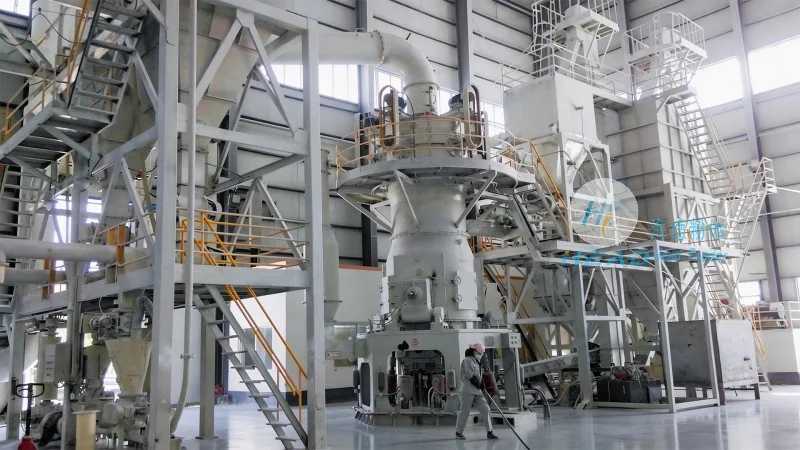
Graphene powder, due to its unique properties like high surface area and conductivity, requires specialized handling to prevent agglomeration and maintain its functional characteristics. A typical graphene powder handling system consists of components like feeders, conveyors, and storage tanks, all integrated to form a seamless workflow. The system is engineered to handle the fine particles without causing damage or loss of material properties, which is critical for applications in electronics, composites, and energy storage.
The design of a graphene powder handling system is guided by several fundamental principles to ensure reliability and efficiency. First, material compatibility is paramount. The equipment must be constructed from materials that do not react with graphene or other chemicals used in the process, such as stainless steel or specialized polymers. This prevents contamination and maintains the purity of the powder. Second, the system incorporates advanced control mechanisms to regulate the flow rate and pressure, ensuring consistent and controlled transport. These controls may include variable speed drives, pressure sensors, and feedback loops that adjust the system's performance based on real-time conditions.
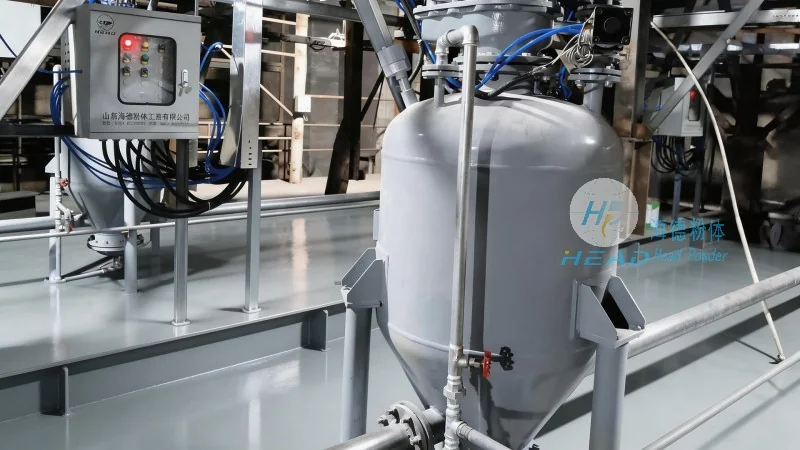
Third, the design emphasizes safety and dust containment. Graphene powders can be hazardous if inhaled or if they cause dust explosions. Therefore, the system is equipped with sealed enclosures, dust collection systems, and explosion-proof components. The use of positive pressure or negative pressure zones within the system further reduces the risk of dust leakage and ensures a safe working environment. Additionally, the system may include features like automatic shut-off valves and emergency stop buttons to enhance operational safety.
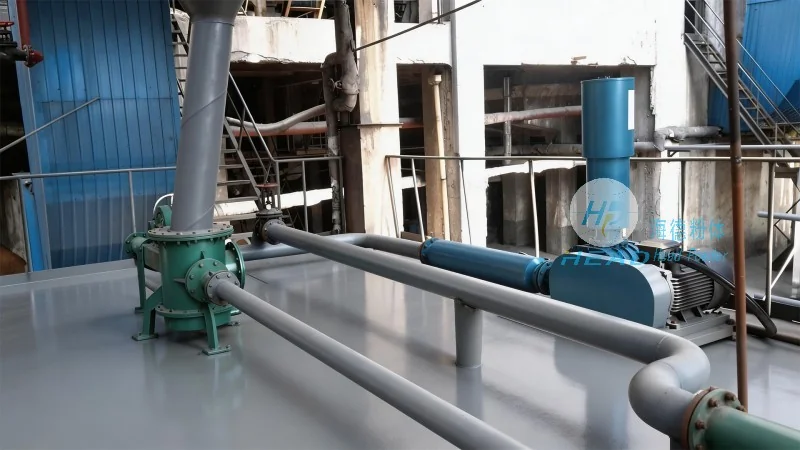
A graphene powder handling system typically includes several key components, each playing a vital role in the overall operation. The feeders, often rotary or vibratory, are responsible for feeding the powder from storage containers into the system. These feeders are designed to handle fine powders without clogging, ensuring a steady flow. The conveyors, such as pneumatic or mechanical systems, transport the powder from one stage to another. Pneumatic conveyors use air pressure to move the powder, which is ideal for fine materials as it minimizes mechanical stress. Mechanical conveyors, like screw or belt conveyors, provide a more direct and controlled transport method.
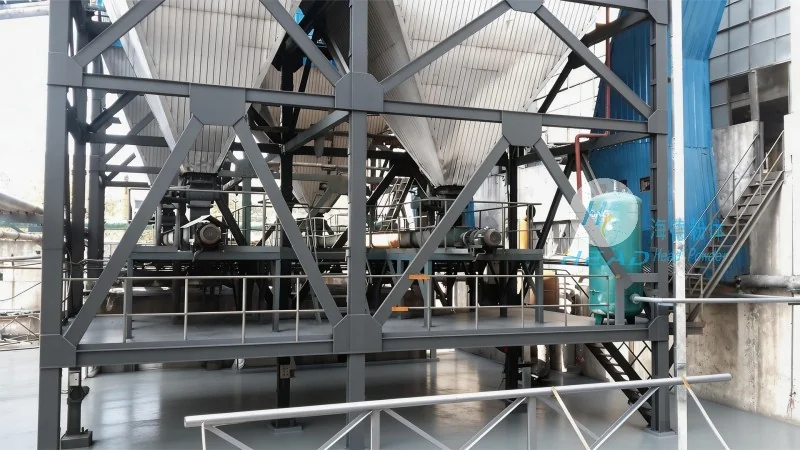
The storage tanks or hoppers are another critical component, designed to hold the graphene powder in a way that prevents agglomeration and maintains its quality. These tanks are often equipped with agitators or mixing mechanisms to keep the powder well-distributed. The control panel, which houses the system's control systems, monitors and adjusts the operation of all components. It may include displays for real-time data, such as flow rates, pressure levels, and temperature, allowing operators to make informed decisions and maintain optimal performance.
Graphene powder handling systems are widely used in various industries due to their ability to handle delicate materials efficiently. In the electronics industry, these systems are used to transport graphene for the production of flexible electronics and conductive inks. In the composite industry, they help in mixing graphene into polymers to enhance the mechanical and electrical properties of the final products. The benefits of using such systems include improved product quality, reduced waste, and enhanced safety. By maintaining the purity and integrity of the graphene powder, the systems ensure that the final products meet the required specifications and performance standards.
In summary, a graphene powder handling system is a sophisticated piece of equipment designed to manage the unique challenges of handling fine, high-value materials like graphene. The design principles, which include material compatibility, advanced control, and safety features, ensure that the system operates efficiently and reliably. The key components work together to provide a seamless workflow, from feeding to conveying, while maintaining the quality and safety of the material. For industries that rely on graphene and other fine powders, these systems are essential for achieving optimal performance and product quality.

 Shandong Headpowder Engineering Co., Ltd.
 156-6277-7102(Manager Zhang)
  0531-83386006
  Zhangqiu District, Jinan City, Shandong Province, China
telephone
WeChatconsult
top