

What is a Grain Powder Conveying System Equipment? What is the Design Principle?
Grain powder conveying system equipment is a specialized machinery used in the agricultural and food processing industries to transport bulk powders, such as grains, flour, and other fine particulate materials. These systems are crucial for efficient material handling, ensuring that grain products are moved safely and effectively from storage to processing or packaging stages. The design of these systems is tailored to address the unique challenges of handling grain powders, including issues related to flowability, dust control, and material integrity.
Understanding Grain Powder Conveying Systems
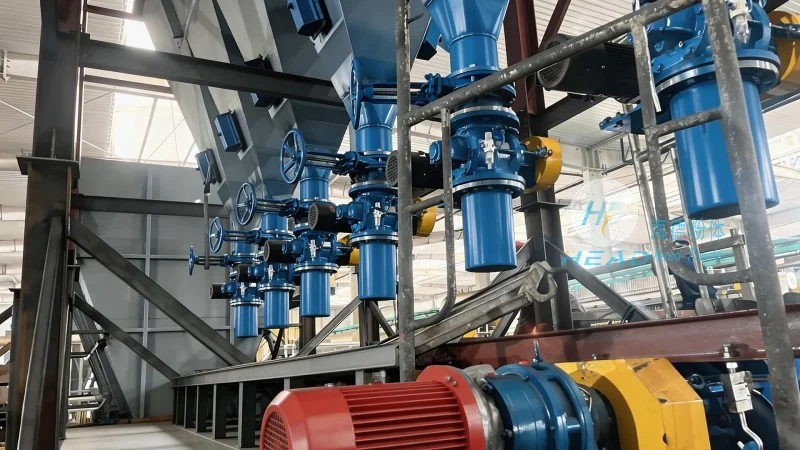
At the core of grain powder conveying systems is the ability to transport bulk materials without causing segregation, degradation, or contamination. The equipment typically includes components like hoppers, feeders, conveyors (e.g., screw conveyors, pneumatic conveyors), and control systems. Each component is designed to work in harmony to ensure smooth and consistent material flow. For instance, hoppers are used to store and feed the grain powder, while feeders regulate the flow rate to match the conveyor's capacity. The choice of conveyor type depends on the specific characteristics of the grain powder, such as particle size, moisture content, and bulk density.
Key Design Principles for Efficient Conveying
The design principles of grain powder conveying systems are centered on optimizing performance, minimizing energy consumption, and ensuring operational safety. One of the primary considerations is the prevention of material bridging or caking in the hopper, which can disrupt the flow. This is often addressed through the use of hopper designs with proper angles and anti-bridging devices. Another critical aspect is dust control, as grain powders are prone to generating dust during handling. Effective dust collection systems, such as cyclones or bag filters, are integrated into the design to maintain a safe and clean working environment. Additionally, the system must be designed to handle variations in grain quality, such as changes in moisture content or particle size, without compromising performance.
Components and Their Functions
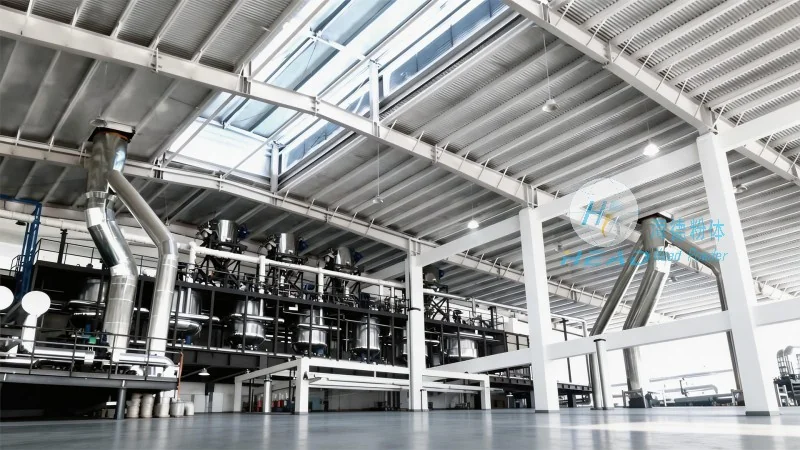
The grain powder conveying system consists of several key components, each playing a vital role in the overall operation. The hopper is the initial storage unit, typically made of stainless steel or other corrosion-resistant materials to prevent contamination and ensure durability. The feeder, often a rotary or vibratory type, controls the discharge rate of the grain powder from the hopper. This is crucial for maintaining a consistent flow to the conveyor. The conveyor itself can be either mechanical (e.g., screw or belt conveyors) or pneumatic (air-based systems). Mechanical conveyors are suitable for short to medium distances and heavy loads, while pneumatic systems are ideal for long-distance transport and handling of fine powders. The control system monitors and adjusts the flow rate, pressure, and other parameters to ensure optimal operation. Safety features, such as emergency shut-off valves and dust suppression systems, are also integrated to protect both the equipment and personnel.
Applications in the Food Processing Industry
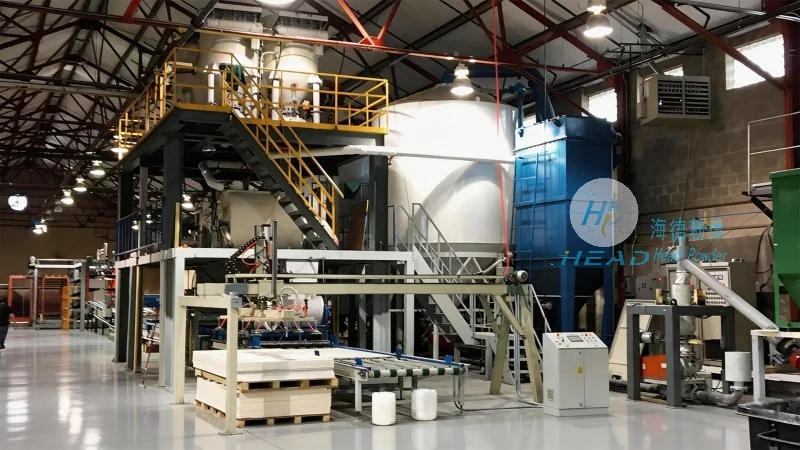
Grain powder conveying systems are widely used in various applications within the food processing industry. In flour mills, these systems transport raw wheat or other grains from storage silos to grinding equipment. In feed mills, they move animal feed ingredients to mixing and packaging lines. The systems are also used in the production of bakery products, where flour and other dry ingredients are conveyed to mixing and baking equipment. The efficiency of these systems directly impacts production throughput and product quality. For example, in a flour mill, a well-designed conveying system can reduce downtime caused by material blockages and improve the overall yield of flour production. Additionally, the ability to handle different grain types and adjust flow rates allows for flexibility in processing various products.
Advantages of Using Grain Powder Conveying Systems
Implementing grain powder conveying systems offers several advantages for businesses in the agricultural and food processing sectors. Firstly, these systems enhance operational efficiency by automating the material handling process, reducing the need for manual labor and minimizing the risk of human error. This leads to increased productivity and reduced labor costs. Secondly, the systems improve product quality by ensuring consistent flow and preventing contamination, which is critical for maintaining food safety standards. The use of stainless steel and other hygienic materials in the construction of the equipment also helps in meeting regulatory requirements for food processing. Thirdly, the systems are designed to be energy-efficient, reducing operational costs over time. The integration of advanced control systems allows for real-time monitoring and adjustment, further optimizing energy usage. Finally, the systems are scalable, allowing businesses to expand their operations without significant changes to the conveying infrastructure.
Conclusion
In conclusion, grain powder conveying system equipment is a vital component in the efficient and safe handling of bulk grain powders. The design principles, components, and applications of these systems are tailored to meet the specific needs of the agricultural and food processing industries. By understanding the key aspects of these systems, businesses can make informed decisions to improve their material handling processes, enhance product quality, and reduce operational costs. As technology continues to advance, the design and functionality of grain powder conveying systems will likely evolve to address new challenges and improve overall performance. For companies in the industry, investing in high-quality conveying systems is a strategic move to stay competitive and meet the demands of modern food production.