With more than 10‑year industry experience, Shandong Headpowder delivers full‑service pneumatic‑conveying systems and blowers, undertaking nationwide turn‑key powder‑handling projects.
Lysine is a vital amino acid widely utilized in the food and animal feed sectors, and efficient handling of lysine powder is crucial for preserving product quality and operational efficiency. The lysine powder conveying system equipment serves as a critical component in this process, ensuring safe, reliable, and compliant transportation of the powder. This article delves into the key aspects of lysine powder conveying systems, focusing on their design principles and the technology underpinning them.
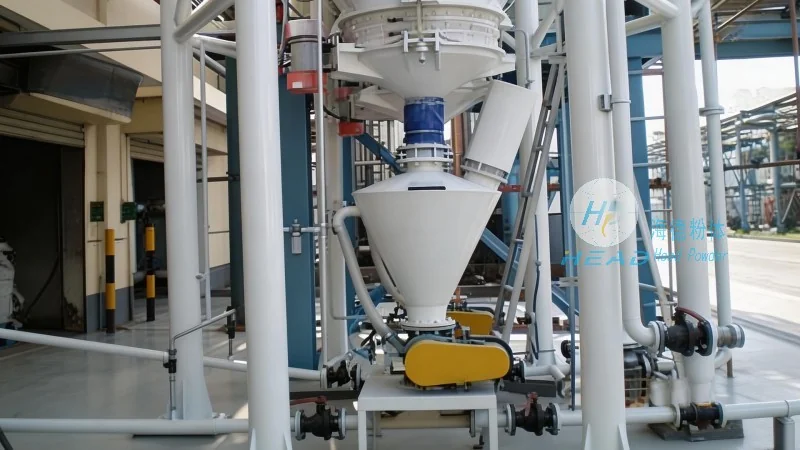
Lysine powder conveying systems are specialized machinery engineered to transport lysine powder from storage silos or production lines to processing units or packaging areas. These systems are designed to address the unique properties of lysine powder, which can be hygroscopic and prone to bridging or caking under certain conditions. The equipment must therefore incorporate features that prevent material degradation, ensure consistent flow, and maintain product integrity throughout the conveying process.
Shandong HeadPowder Engineering Co., Ltd., commonly known as HeadPowder, is a prominent manufacturer and supplier of advanced powder handling equipment. With a strong presence in the Chinese market, particularly in Shandong, HeadPowder specializes in developing customized conveying systems tailored to the specific needs of lysine powder applications. The company's expertise lies in integrating robust engineering with innovative design to deliver solutions that enhance productivity, reduce downtime, and improve overall operational safety.
The design of a lysine powder conveying system typically involves several key components, each playing a crucial role in the overall functionality. These components include feeders, conveyors, dust collection systems, and control panels. The feeders are responsible for regulating the flow of lysine powder from the source, ensuring a consistent and controlled feed rate. Common types of feeders used in these systems include rotary valves, vibratory feeders, and screw feeders, each selected based on the specific characteristics of the lysine powder and the required conveying parameters.
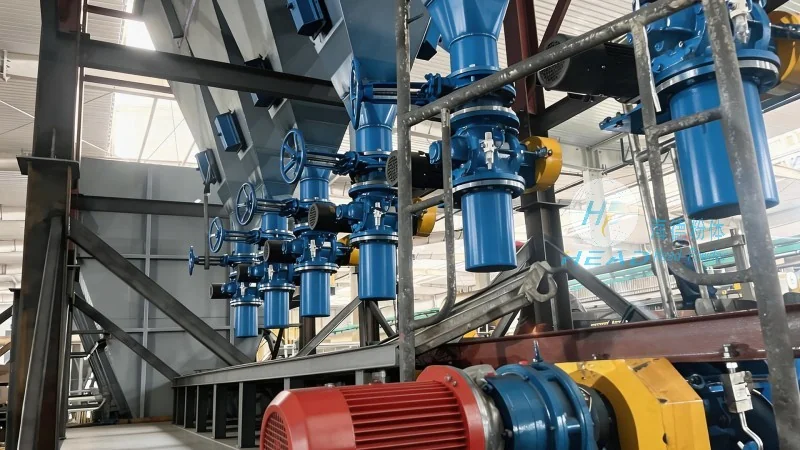
The conveyors themselves are engineered to move the powder efficiently through the system. For lysine powder, pneumatic conveying systems are often preferred due to their ability to handle fine powders and minimize product contamination. These systems utilize compressed air to transport the powder in a closed pipeline, preventing exposure to the environment and reducing the risk of dust explosions. The design of the pipeline, including the use of appropriate materials and smooth transitions, is critical to maintaining the flow of the powder and preventing blockages or material buildup.
Dust collection systems are an integral part of any lysine powder conveying system, as they help to control airborne particles and maintain a safe working environment. These systems typically include filters and cyclones that capture the powder particles and return them to the conveying line, while the clean air is discharged safely. The control panels provide operators with the ability to monitor and adjust the system parameters in real-time, ensuring optimal performance and preventing issues such as overloading or underflow.
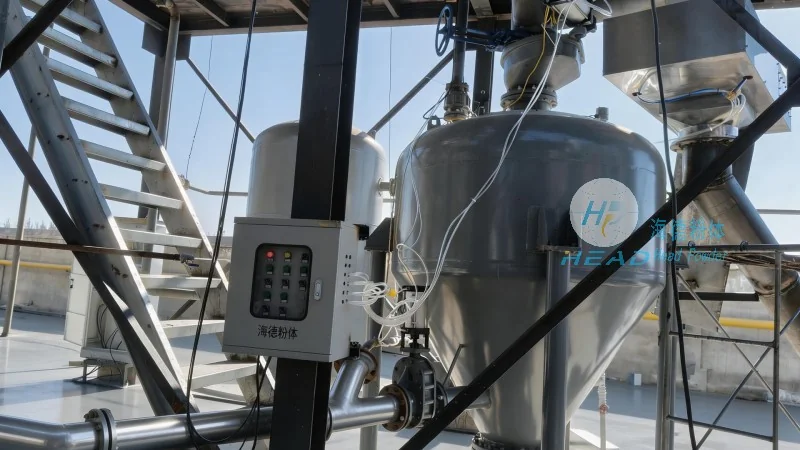
Implementing a lysine powder conveying system offers several significant advantages for businesses in the lysine industry. Firstly, these systems enhance operational efficiency by automating the powder handling process, reducing the need for manual labor and minimizing the risk of human error. This leads to increased productivity and reduced production costs. Secondly, the systems improve product quality by maintaining consistent flow rates and preventing material degradation, which can occur due to exposure to air or moisture. This ensures that the lysine powder delivered to the next stage of processing is of high quality and meets the required specifications.
Additionally, lysine powder conveying systems contribute to improved workplace safety. By using enclosed systems and effective dust collection, the risk of dust explosions and respiratory hazards is significantly reduced. This not only protects the health and safety of employees but also helps businesses comply with regulatory requirements related to powder handling. Furthermore, the systems are designed to be easy to maintain and clean, which helps to extend the lifespan of the equipment and reduce long-term operational costs.
In conclusion, lysine powder conveying system equipment is a vital component of modern lysine production and handling operations. The design principles behind these systems, including the use of specialized feeders, pneumatic conveyors, and effective dust collection, are tailored to address the unique challenges of handling lysine powder. Companies like Shandong HeadPowder Engineering Co., Ltd. play a crucial role in providing these advanced solutions, helping businesses in the lysine industry to improve efficiency, maintain product quality, and ensure workplace safety. As the demand for lysine continues to grow, the importance of reliable and efficient conveying systems will only increase, making them an essential investment for any lysine producer.

 Shandong Headpowder Engineering Co., Ltd.
 156-6277-7102(Manager Zhang)
  0531-83386006
  Zhangqiu District, Jinan City, Shandong Province, China
telephone
WeChatconsult
top