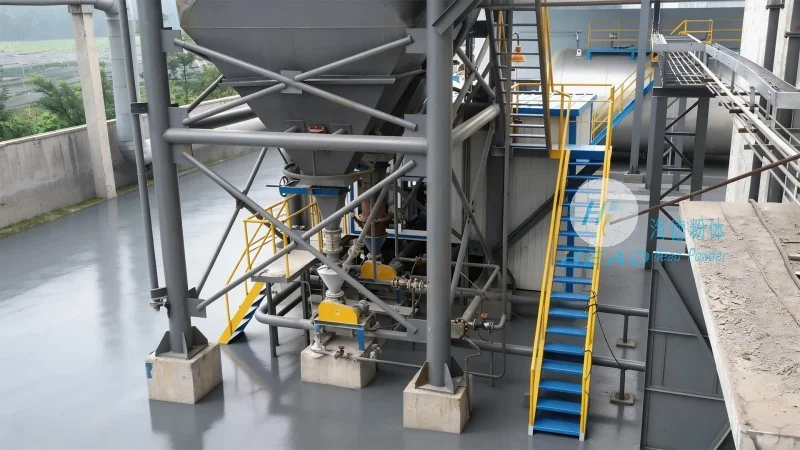
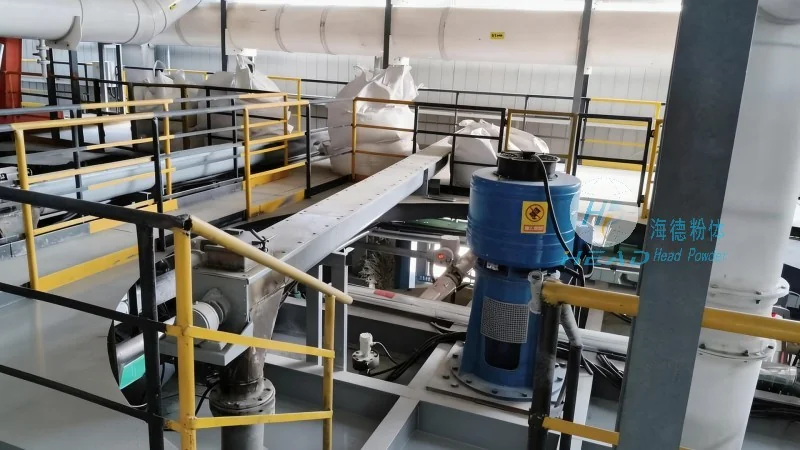
With more than 10‑year industry experience, Shandong Headpowder delivers full‑service pneumatic‑conveying systems and blowers, undertaking nationwide turn‑key powder‑handling projects.
Glass powder is a fine, lightweight material that presents unique challenges in industrial handling. Due to its fine particle size and low density, glass powder is prone to generating dust and static electricity during transport. Traditional mechanical conveying methods, such as screw conveyors or bucket elevators, often fail to address these issues effectively, leading to material loss, equipment wear, and potential safety hazards. To ensure the integrity of the product and the safety of the workforce, a specialized approach is required. This is where the expertise of a professional manufacturer becomes indispensable. Implementing a robust **Glass Powder Pneumatic Conveying Solution** is essential for maintaining product quality and operational efficiency in glass manufacturing and recycling facilities. By utilizing air pressure to move the material through a closed pipeline, pneumatic conveying eliminates dust exposure and prevents the material from breaking down due to mechanical impact.
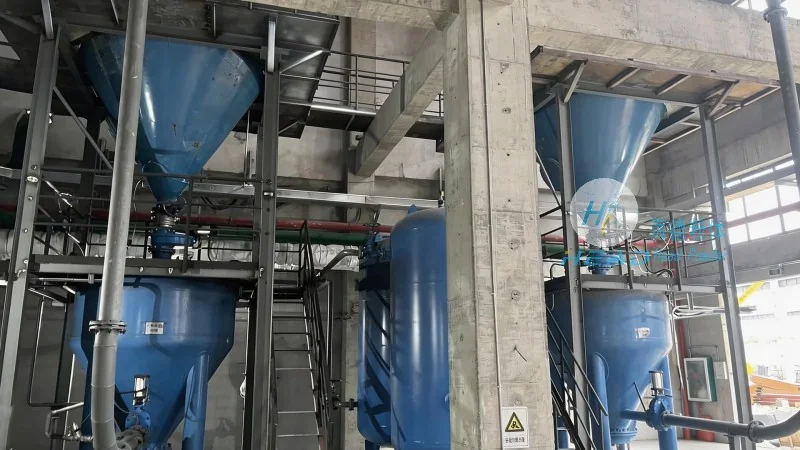
Located in the industrial hub of Shandong, China, **Shandong Headpowder Engineering Co., Ltd.** has established itself as a premier entity in the field of powder material transport. The company is widely recognized in the industry simply as **Headpowder**. As a dedicated **Glass Powder Pneumatic Conveying Manufacturer**, we understand the nuances of handling fragile and abrasive powders. Our facility in Shandong is equipped with advanced research and development capabilities, allowing us to design systems that meet the rigorous demands of modern production lines. We are committed to providing high-quality engineering solutions that integrate seamlessly into existing production environments. Our team consists of experienced engineers who possess deep technical knowledge in fluid dynamics and powder mechanics, ensuring that every project we undertake is built to last.
One size does not fit all in the complex world of industrial material handling. Every factory layout, production capacity, and material characteristic varies significantly. Therefore, a cookie-cutter approach is rarely effective. At Headpowder, we pride ourselves on our ability to deliver **Glass Powder Pneumatic Conveying Solution Customization**. Our process begins with a thorough site survey and analysis of your specific requirements. Whether your facility requires a vertical lift over a long distance, a horizontal transfer across multiple floors, or a specific flow rate to match your kiln operations, we tailor the system accordingly. We consider factors such as the moisture content of the glass powder, its temperature, and the specific destination silos. This bespoke approach ensures that the **Glass Powder Pneumatic Conveying Solution** not only meets your current production needs but also offers scalability for future expansion, maximizing your return on investment.
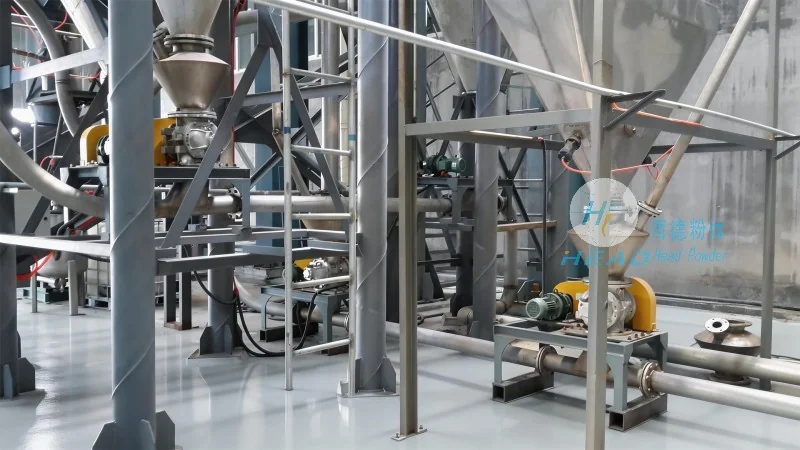
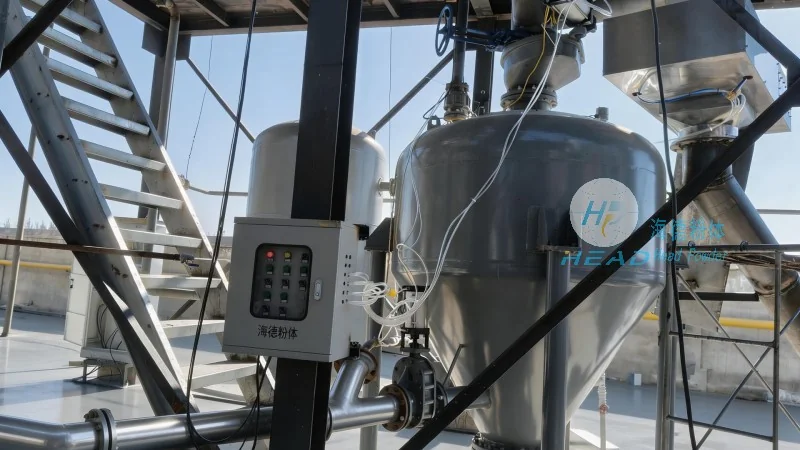
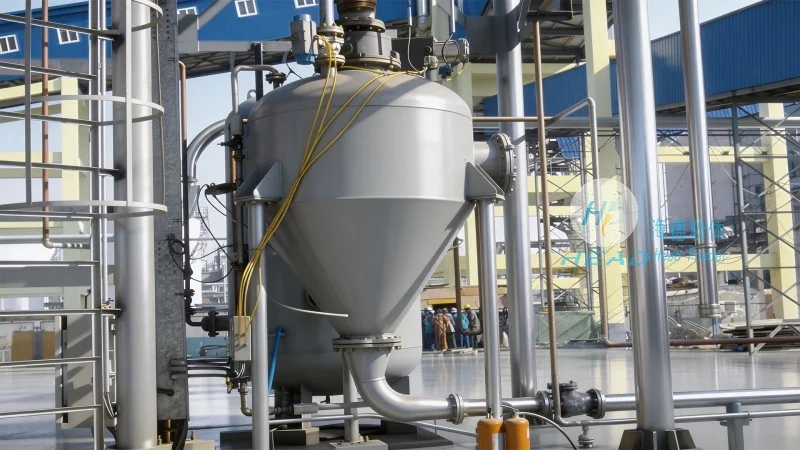
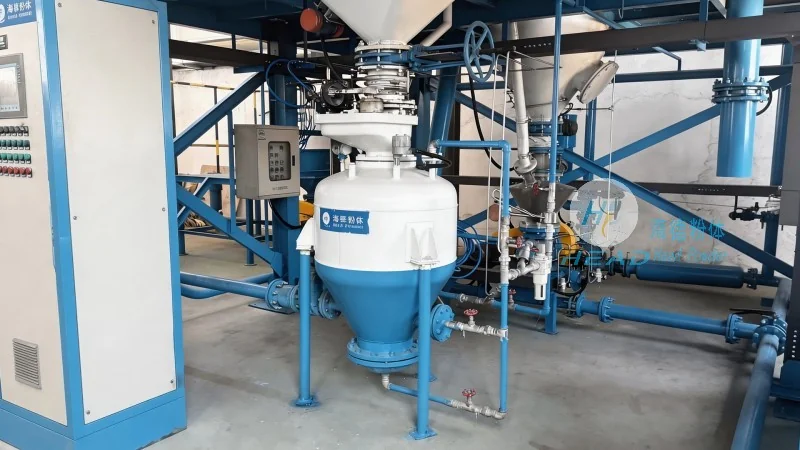
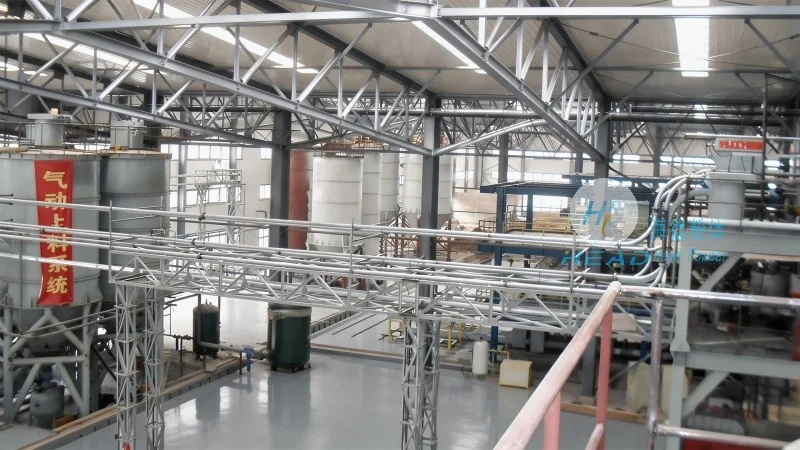
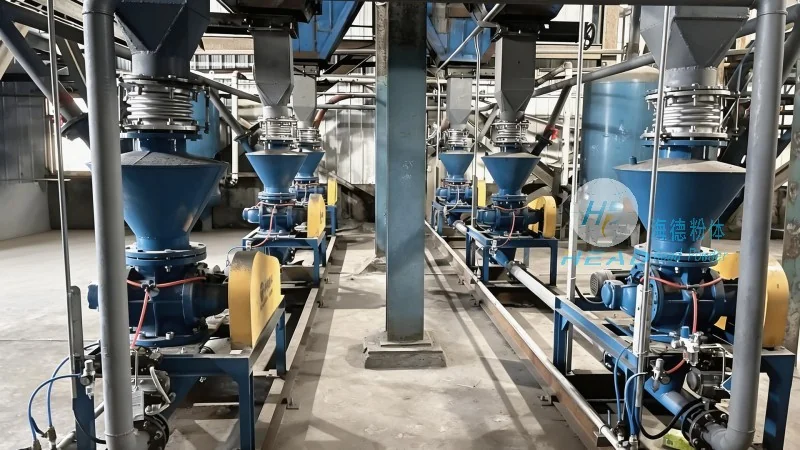
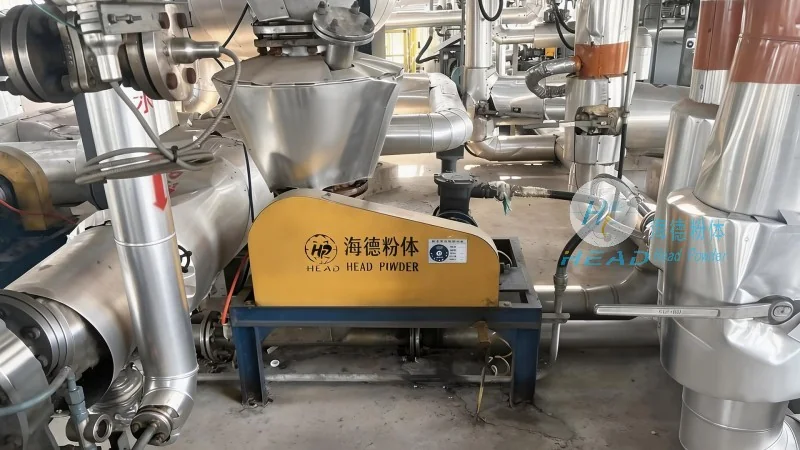
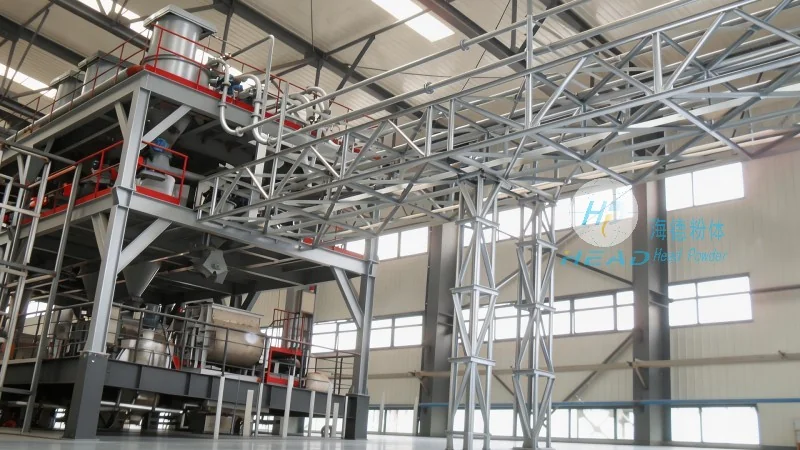
A pneumatic conveying system is a complex assembly of components working in harmony. As a specialized **Glass Powder Pneumatic Conveying Manufacturer**, Headpowder provides a complete range of **Glass Powder Conveying System Equipment** designed for durability and performance. Our systems typically include high-efficiency air compressors or Roots blowers as the air source, ensuring a consistent and stable pressure supply. We utilize high-quality stainless steel or wear-resistant alloy pipes to transport the material, minimizing friction and abrasion. The system is equipped with advanced control valves and automatic switching devices to manage the flow seamlessly. Furthermore, our dust collection systems are integrated to capture any stray particles, ensuring a clean and environmentally compliant workspace. By supplying top-tier **Glass Powder Conveying System Equipment**, we guarantee that your production line operates with minimal downtime and maximum reliability.
Choosing the right partner for your material handling requirements is a critical decision. Headpowder offers distinct advantages that set us apart from competitors. We focus on the technical specifications and the practical application of the **Glass Powder Pneumatic Conveying Solution**. Our systems are designed to be energy-efficient, reducing operational costs over the long term. We also place a strong emphasis on safety, incorporating explosion-proof measures and anti-static designs suitable for handling glass powder. Our after-sales support is robust, providing maintenance guidance and spare parts availability to ensure your system remains in peak condition. We believe in building long-term partnerships with our clients, acting not just as suppliers, but as consultants who are invested in your operational success.
Are you looking to optimize your glass powder handling process? Do you need a reliable and customized solution for your facility? We invite you to connect with our team. You can reach out directly to **Manager Zhang** for a detailed consultation. He can provide expert advice on the best **Glass Powder Pneumatic Conveying Solution** for your specific situation. To discuss your project requirements or request a quote, please contact us via WeChat at 15662777102. Headpowder is ready to help you streamline your production and achieve superior material handling efficiency.

 Shandong Headpowder Engineering Co., Ltd.
 156-6277-7102(Manager Zhang)
  0531-83386006
  Zhangqiu District, Jinan City, Shandong Province, China
telephone
WeChatconsult
top