With more than 10‑year industry experience, Shandong Headpowder delivers full‑service pneumatic‑conveying systems and blowers, undertaking nationwide turn‑key powder‑handling projects.
Sodium sulfate, a chemical compound with the chemical formula Na2SO4, is widely utilized in various industrial sectors, including glass manufacturing, detergent production, paper making, and textile processing. As a versatile inorganic salt, its demand remains consistently high in the global market. However, the logistics of transporting this material present unique challenges. Sodium sulfate is a fine, dry powder that can be prone to dust generation, caking, and electrostatic discharge if not handled correctly. Consequently, the transition from bulk storage to processing points requires a robust and efficient material handling strategy. Many facilities are moving away from traditional mechanical conveyors, such as screw conveyors or belt conveyors, due to their limitations in dust containment and maintenance requirements. Instead, modern facilities are increasingly adopting advanced material transfer methods to ensure operational efficiency and environmental compliance. This is where specialized engineering comes into play, providing tailored approaches to meet the specific physical properties of the material.
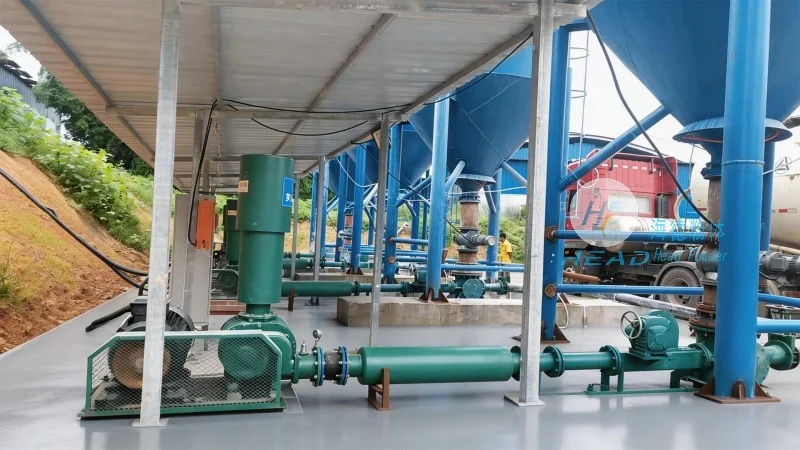
When dealing with powdered materials like sodium sulfate, the integrity of the product and the safety of the workforce are paramount. The handling process must minimize product loss, prevent cross-contamination, and ensure a continuous flow of material. A well-designed system not only streamlines the production line but also reduces the labor costs associated with manual loading and unloading. By integrating automated solutions, plants can achieve a higher level of precision in dosing and feeding, which is critical for downstream processes. Therefore, selecting the right technology is not just a matter of logistics but a strategic decision that impacts the overall productivity and safety of the facility.
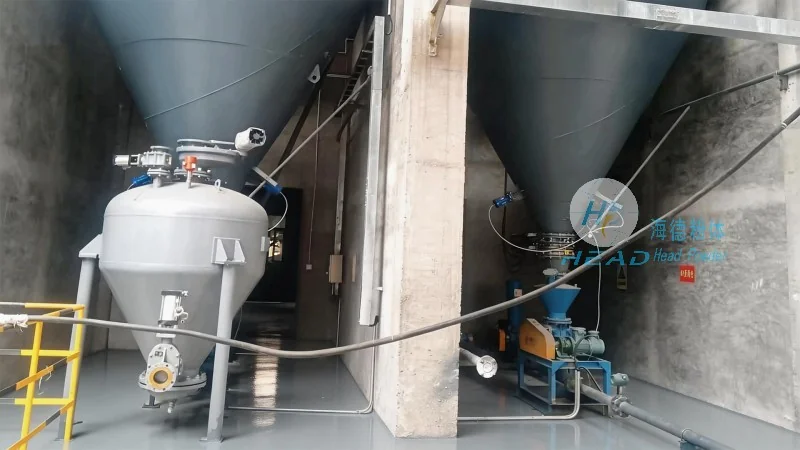
Pneumatic conveying has emerged as the preferred technology for the bulk transportation of sodium sulfate due to its inherent advantages in dust control and system flexibility. Unlike mechanical systems that rely on moving parts in contact with the material, pneumatic conveying uses air pressure or vacuum to transport the powder through a closed pipeline. This method completely isolates the material from the external environment, significantly reducing the risk of dust explosions and air pollution. For a Sodium Sulfate Pneumatic Conveying Manufacturer, understanding the fluid dynamics of the material is crucial to designing a system that prevents pipeline blockages and ensures a steady flow rate.
The technology generally operates on two main principles: dilute phase and dense phase conveying. For sodium sulfate, which is relatively free-flowing and has good bulk density, dense phase conveying is often the optimal choice. This method utilizes higher pressure and lower velocity to transport the material in a slug-like motion, which reduces wear on the pipeline and the conveying equipment. By minimizing the velocity of the particles, the system reduces the generation of fines and ensures that the sodium sulfate arrives at its destination with minimal degradation. This efficiency is a hallmark of a high-quality Sodium Sulfate Conveying System.
Among the various providers in the industry, Shandong Headpowder Engineering Co., Ltd. stands out as a specialized entity dedicated to the design and manufacture of powder handling equipment. As a prominent Sodium Sulfate Pneumatic Conveying Manufacturer, the company focuses on delivering solutions that are tailored to the specific needs of chemical plants and processing facilities. Located in Shandong, China, the company leverages local manufacturing capabilities and engineering expertise to produce reliable and cost-effective systems. Their reputation is built on a commitment to quality, safety, and customer satisfaction, ensuring that every project meets the highest industry standards.
The company’s expertise extends beyond simple equipment supply; they offer comprehensive technical support from the initial feasibility study to the final commissioning of the plant. By understanding the nuances of sodium sulfate, such as its hygroscopic nature and flow characteristics, Headpowder engineers can design systems that are resistant to moisture absorption and capable of handling variations in material consistency. This deep understanding allows them to provide a truly customized Sodium Sulfate Pneumatic Conveying Solution that integrates seamlessly into existing production lines.
One size does not fit all in industrial material handling. Every facility has unique constraints regarding floor space, layout, and production volume. Therefore, a rigid, off-the-shelf system is rarely the best answer. Shandong Headpowder Engineering Co., Ltd. prides itself on its ability to customize every aspect of the Sodium Sulfate Conveying Solution. Whether the requirement is to transport material over a short distance within a factory or over several kilometers between different plants, the engineering team designs the system to match the specific parameters of the project.
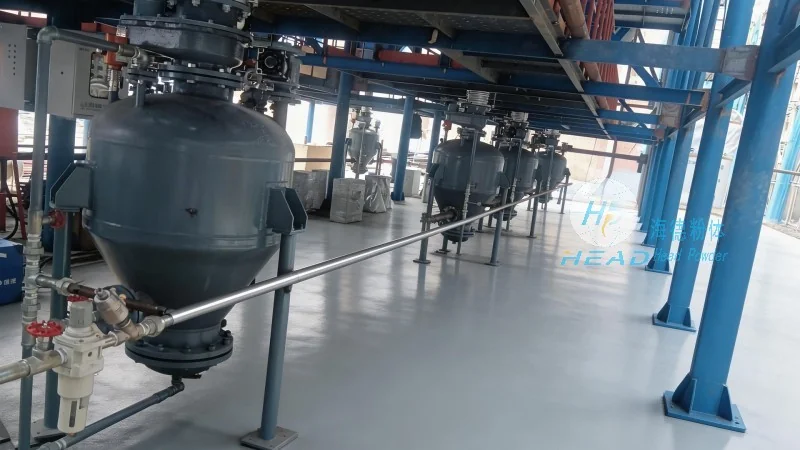
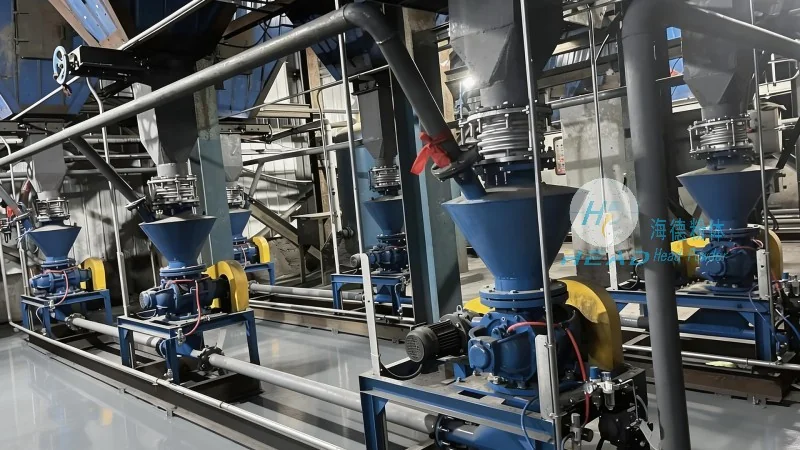
The customization process begins with a detailed analysis of the site conditions. Engineers consider factors such as the vertical and horizontal distance of the transfer, the elevation differences between the source and destination, and the available power supply. Based on this data, they determine the most appropriate conveying mode—whether positive pressure or negative pressure—and select the appropriate components, such as rotary valves, blow tanks, and filters. This bespoke approach ensures that the system operates at maximum efficiency, reducing energy consumption and operational downtime. By focusing on the specific challenges of the site, Headpowder ensures that the Sodium Sulfate Conveying System delivers long-term reliability.
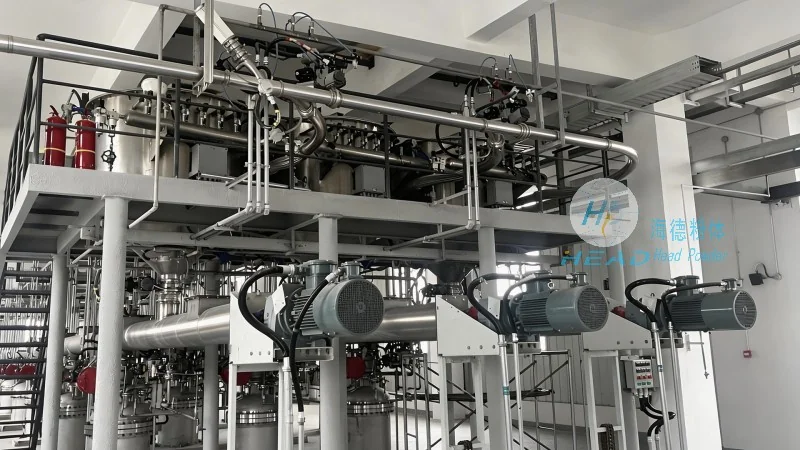
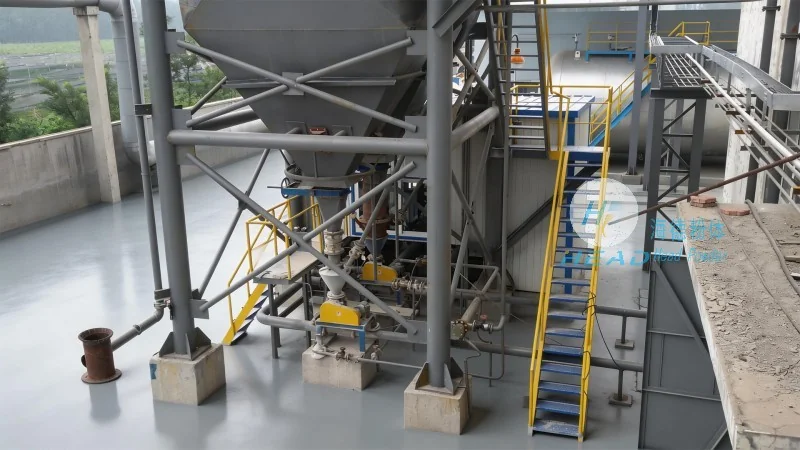
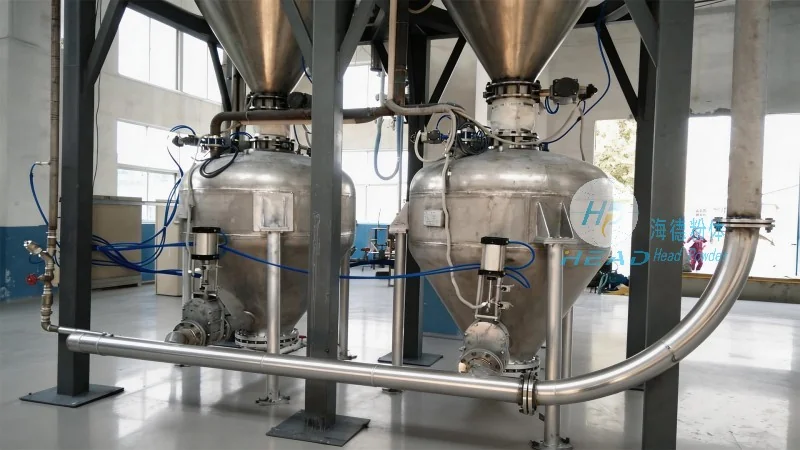
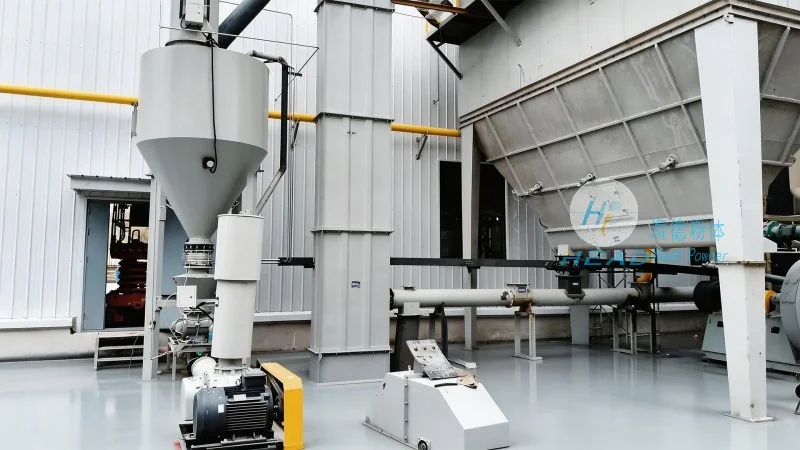
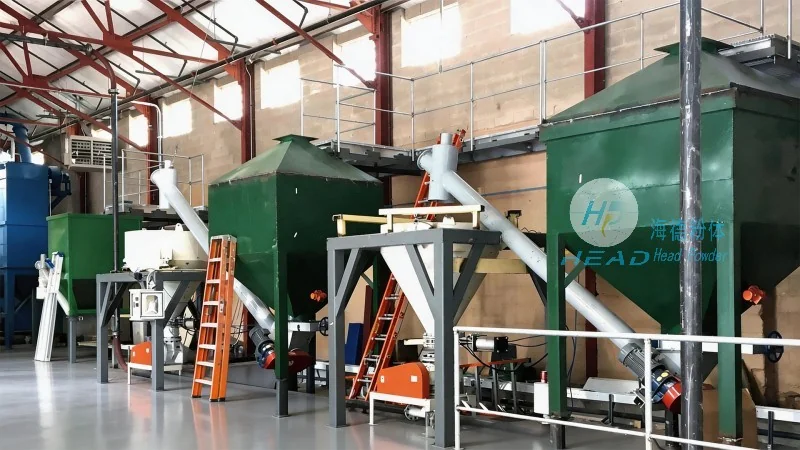
A robust Sodium Sulfate Conveying System is composed of several critical components that work in harmony to achieve seamless material transfer. The primary component is the conveying pipeline, which must be constructed from materials that can withstand the pressure and potential abrasion caused by the particles. High-quality stainless steel or carbon steel pipes are typically used, depending on the corrosiveness of the environment. Along the pipeline, specialized components such as bends and elbows are designed to minimize pressure drop and reduce wear, extending the lifespan of the system.
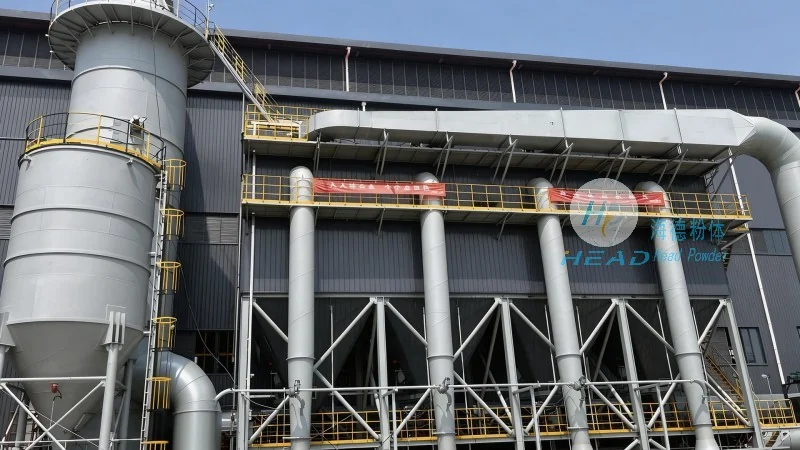
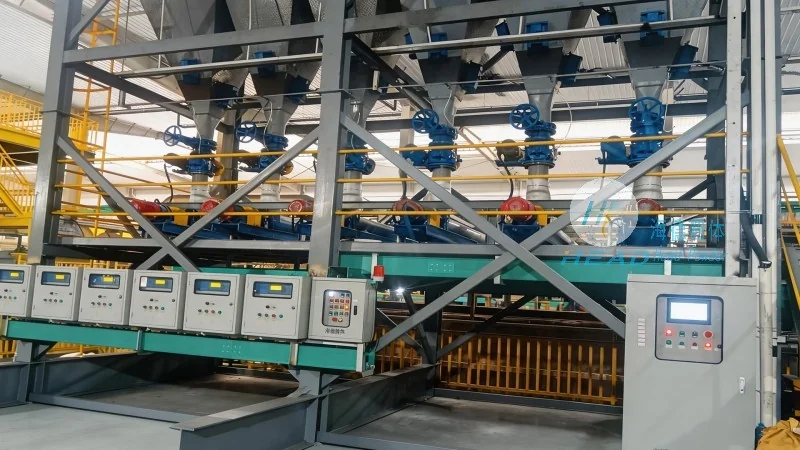
At the receiving end, the system includes dust collectors and unloading stations. Dust collectors are essential for maintaining air quality and protecting the environment from particulate emissions. They capture the sodium sulfate powder before it is released into the atmosphere. The unloading station, often equipped with rotary airlocks or butterfly valves, ensures that the material is discharged smoothly into storage hoppers or processing vessels without causing backpressure. Additionally, control systems play a vital role in modern setups. Automated PLC control panels allow operators to monitor flow rates, pressure levels, and system status in real-time, ensuring that the process is both safe and efficient.
Investing in a professional Sodium Sulfate Pneumatic Conveying System offers numerous operational advantages. The most significant benefit is the drastic reduction in dust pollution. Since the system is closed, there is virtually no dust leakage, creating a cleaner and safer working environment for employees. This compliance with environmental regulations is increasingly important in modern manufacturing. Furthermore, the automation of the conveying process reduces the need for manual intervention, lowering the risk of workplace injuries associated with lifting and carrying heavy bags or operating mechanical conveyors.
Another key advantage is the versatility of the system. Pneumatic conveying can handle complex layouts, including vertical lifts and curves, which might be impossible for traditional screw conveyors. This flexibility allows for more efficient plant layouts, maximizing the use of available space. Moreover, because the system is enclosed, it prevents the ingress of moisture and impurities, which is particularly beneficial for sodium sulfate, a material that can degrade if exposed to high humidity. By maintaining the purity of the product, the system ensures the consistency of the final output in downstream chemical processes.
For facilities looking to upgrade their material handling infrastructure or implement a new Sodium Sulfate Pneumatic Conveying Solution, Shandong Headpowder Engineering Co., Ltd. is the trusted partner to contact. The company’s team of experienced engineers is ready to provide technical consultations and design proposals tailored to your specific requirements. With a commitment to excellence and a deep understanding of powder technology, Headpowder ensures that your conveying system will be a reliable asset to your operations for years to come.
To discuss your project needs or to request a detailed quotation, please contact Zhang Manager. He can be reached directly via WeChat at 15662777102. Headpowder is located in Shandong, China, and is dedicated to serving clients both domestically and internationally with top-tier engineering solutions.

 Shandong Headpowder Engineering Co., Ltd.
 156-6277-7102(Manager Zhang)
  0531-83386006
  Zhangqiu District, Jinan City, Shandong Province, China
telephone
WeChatconsult
top