With more than 10‑year industry experience, Shandong Headpowder delivers full‑service pneumatic‑conveying systems and blowers, undertaking nationwide turn‑key powder‑handling projects.
Conductive carbon black is a critical additive in various industries, serving as a key component in the manufacturing of rubber, plastics, and electronic materials. Its primary function is to impart electrical conductivity to otherwise insulating substances, which is essential for applications ranging from tires to battery electrodes. However, handling this material presents unique challenges due to its fine particle size, low bulk density, and tendency to generate static electricity. Consequently, the selection of an appropriate material handling method is paramount to ensuring production efficiency and safety. This is where specialized systems come into play, offering a robust solution for industrial powder management.
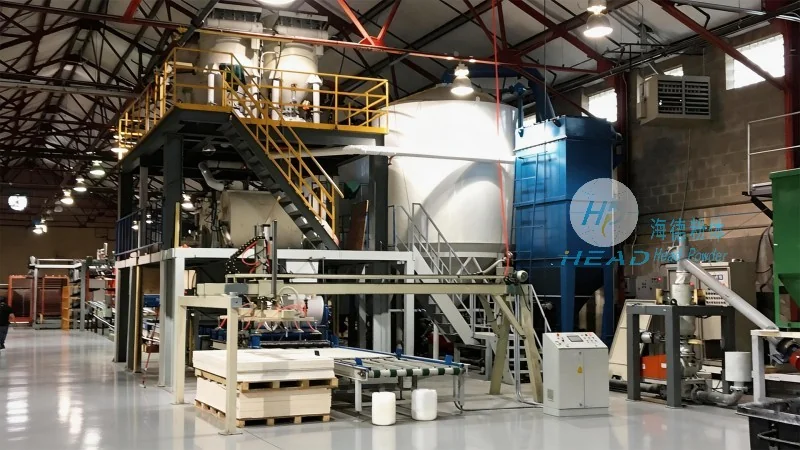
The process of moving bulk powders traditionally involves manual labor or mechanical conveyors that can be prone to leakage and dust generation. For conductive carbon black, which is highly sensitive to environmental conditions and poses explosion risks due to its electrostatic properties, these traditional methods are often inadequate. A professional approach requires a system that can handle the material gently, maintain a sealed environment to prevent dust escape, and ensure precise metering during transfer. This necessity drives industries to seek out advanced technologies designed specifically for the nuances of fine powder handling.
Pneumatic conveying has emerged as the preferred technology for moving conductive carbon black because it addresses the specific physical limitations of the material. Unlike mechanical conveyors that rely on moving parts which can generate friction and heat, pneumatic systems use air pressure to transport the powder through a closed pipeline. This closed-loop system is the first line of defense against dust explosions, a major safety concern when handling conductive carbon black. By containing the material entirely within the piping, the risk of external contamination and operator exposure is significantly minimized.
Furthermore, the flow characteristics of conductive carbon black can be unpredictable. It may tend to bridge or hang in hoppers, leading to blockages in standard equipment. A specialized pneumatic conveying system is engineered with specific parameters to ensure consistent flow, utilizing appropriate air velocities and pipe diameters to prevent settling and ensure a steady stream to the processing equipment. This reliability is crucial for maintaining the continuity of production lines, reducing downtime, and lowering operational costs associated with emergency maintenance.
One size does not fit all in the industrial powder handling sector. Each facility has unique spatial constraints, production capacities, and material requirements. Therefore, a "one-size-fits-all" approach is rarely effective. This is why the emphasis on customized conductive carbon black pneumatic conveying solutions is so critical. A generic system may fail to account for the specific angle of the plant layout, the distance between storage silos and processing units, or the required throughput rates.
Expert engineering firms analyze the client's workflow to design a system that integrates seamlessly into existing operations. This involves detailed calculations regarding pressure drops, air-to-material ratios, and the selection of appropriate valves and filters. For instance, a plant located in a high-rise building might require a vertical pneumatic conveying system, while a ground-level facility might benefit from a horizontal system with multiple loading points. By tailoring the system to the specific environment, engineers can maximize energy efficiency and ensure that the conductive carbon black reaches its destination in the optimal condition, free from degradation or moisture absorption.
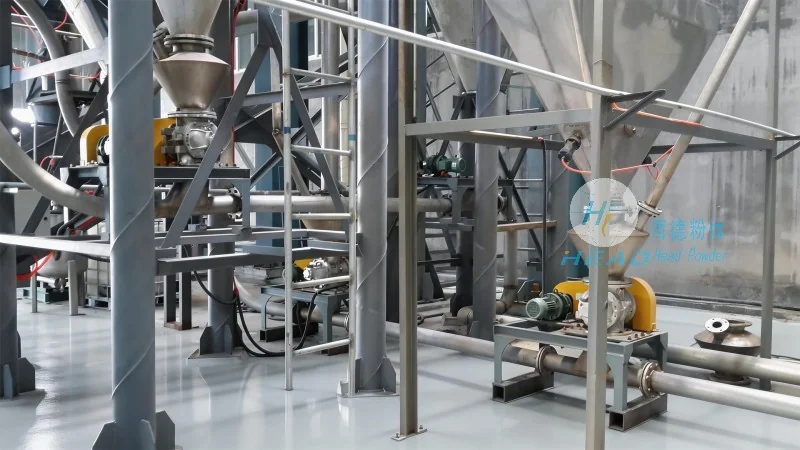
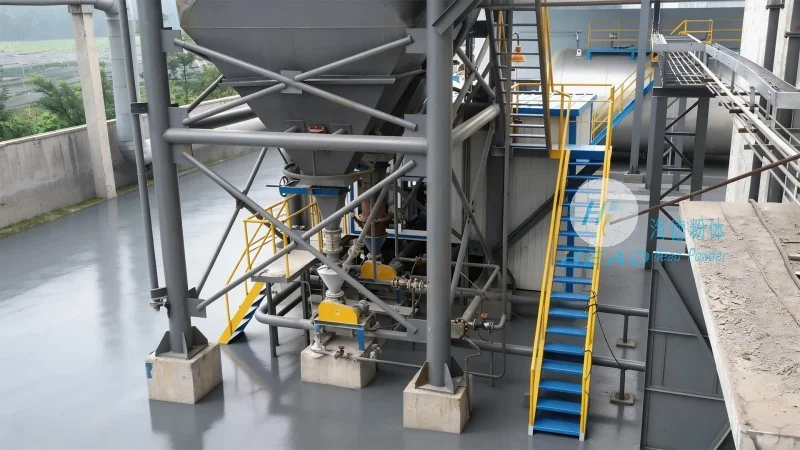
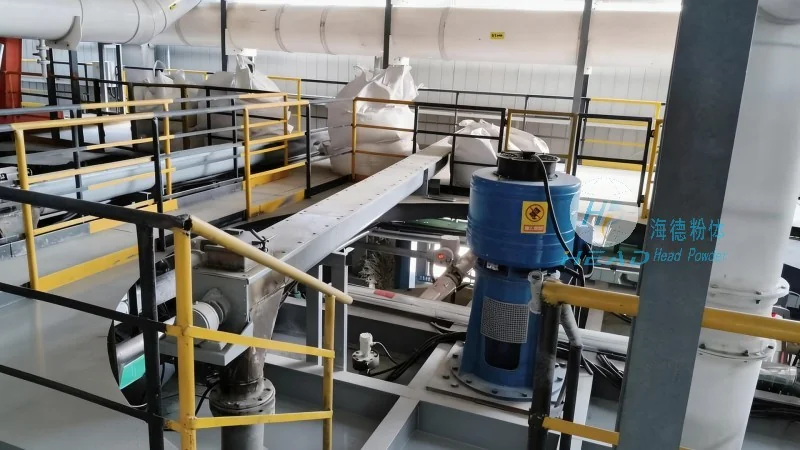
A comprehensive conductive carbon black conveying system comprises several sophisticated components working in unison to achieve seamless material transfer. The core of the system typically begins with a storage hopper designed to prevent arching and rat-holing, ensuring a consistent feed into the pneumatic pump. From there, the material is transported via a network of pipes, often made of stainless steel to resist corrosion and withstand the abrasive nature of carbon black.
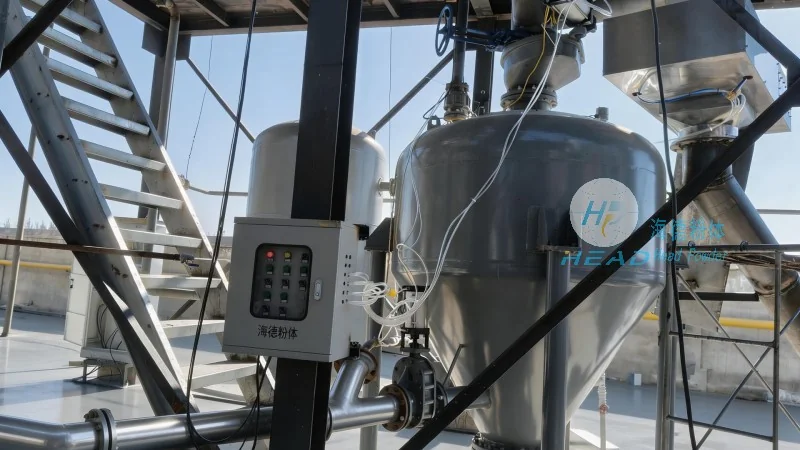
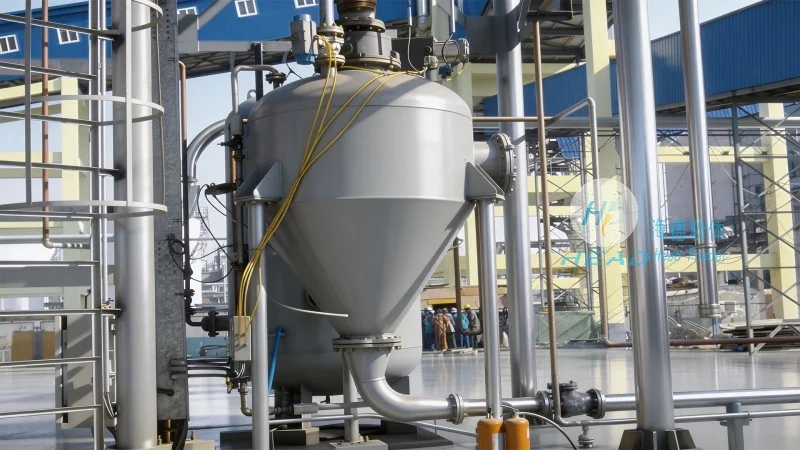
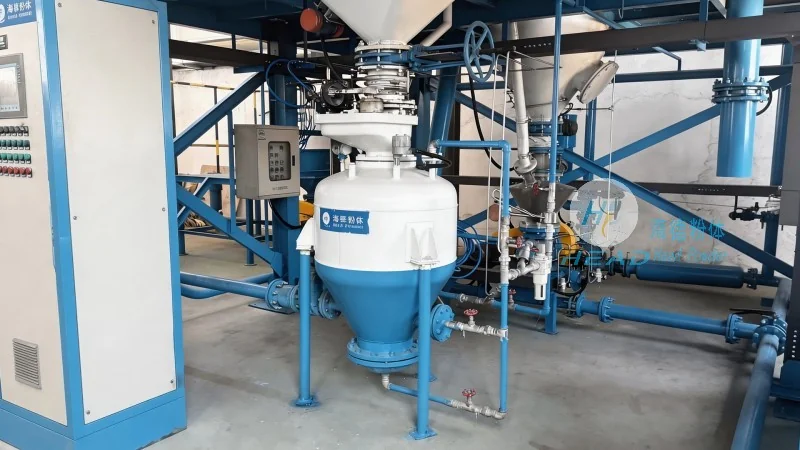
The conveying pump, whether it is a pressure vessel system or a vacuum system, is the heart of the operation. It must be capable of handling the fine powder without clogging. Downstream, the system includes dust collectors and filters to clean the exhaust air, ensuring compliance with environmental regulations. Additionally, control systems play a vital role, allowing operators to monitor flow rates and pressure levels in real-time. This integration of hardware and software ensures that the entire process is not only efficient but also safe and controllable, providing peace of mind to facility managers.
When seeking a reliable partner for powder handling projects, the reputation and technical capability of the vendor are decisive factors. Shandong Headpowder Engineering Co., Ltd. stands out as a premier provider in the field, known for its dedication to quality and innovation. As a specialized conductive carbon black pneumatic conveying manufacturer, the company combines deep industry knowledge with state-of-the-art manufacturing capabilities.
Headpowder's team of engineers possesses extensive experience in designing systems that handle difficult powders. They understand the nuances of conductive carbon black, from its flow properties to its safety requirements. The company prides itself on a customer-centric approach, offering not just equipment, but full-service solutions that include design, installation, and after-sales support. By choosing Headpowder, clients gain access to a partner that is committed to delivering turnkey projects that enhance their production capabilities and safety standards. Their presence in Shandong, China, allows them to leverage advanced engineering resources while serving a global client base with high standards of service.
The versatility of a well-designed pneumatic conveying system allows it to be applied across various sectors where conductive carbon black is utilized. In the rubber industry, it is used to produce tires and industrial rubber goods where conductivity is needed to prevent static buildup. In the plastics industry, it is essential for creating anti-static packaging and electronic housings. The battery industry also relies heavily on conductive carbon black to improve the performance of electrodes.
To ensure the longevity and efficiency of the system, technical considerations such as the material's angle of repose and moisture content must be carefully evaluated. Headpowder’s systems are designed to handle these variables, offering options for drying units or specific pipe configurations to accommodate difficult flow characteristics. The focus is always on creating a system that is durable, easy to maintain, and capable of handling the rigorous demands of industrial production environments.
For businesses looking to upgrade their material handling infrastructure or require a new installation, direct consultation is essential. Shandong Headpowder Engineering Co., Ltd. is ready to provide expert advice tailored to your specific needs. You can reach out to their management team to discuss your project requirements.
For direct communication and inquiries, please contact Manager Zhang via WeChat at 15662777102. The team at Headpowder is dedicated to providing responsive service and technical support to ensure your project succeeds from the initial design phase through to final commissioning.

 Shandong Headpowder Engineering Co., Ltd.
 156-6277-7102(Manager Zhang)
  0531-83386006
  Zhangqiu District, Jinan City, Shandong Province, China
telephone
WeChatconsult
top