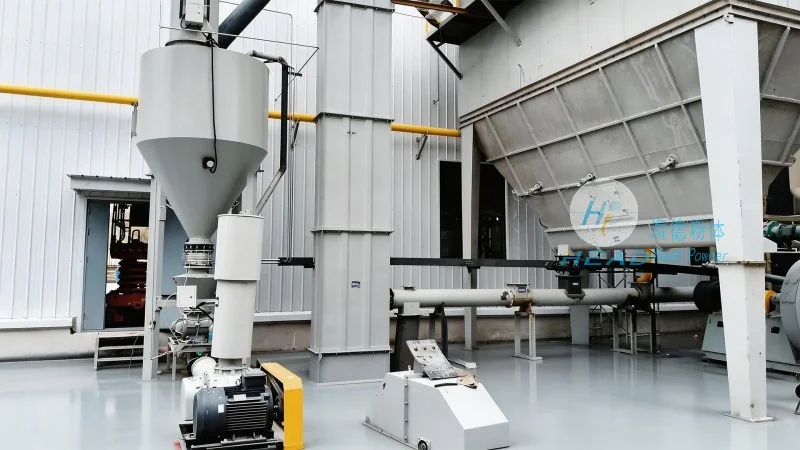
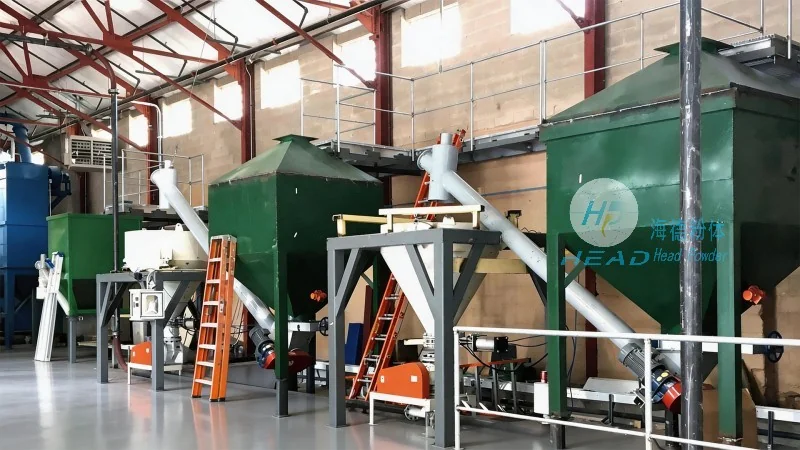
With more than 10‑year industry experience, Shandong Headpowder delivers full‑service pneumatic‑conveying systems and blowers, undertaking nationwide turn‑key powder‑handling projects.
Hexamethylenetetramine, commonly known as urotropine, is a chemical compound widely utilized in various industrial applications, including as a stabilizer, a precursor for dyes, and in the manufacturing of pharmaceuticals. Due to its crystalline nature and chemical properties, the handling of this substance requires strict adherence to safety protocols. The transportation of solid hexamethylenetetramine from storage silos to processing units or packaging lines poses significant challenges, primarily concerning dust generation, material degradation, and potential environmental hazards. Implementing a robust pneumatic conveying system is essential to mitigate these risks and ensure operational continuity. As a specialized hexamethylenetetramine pneumatic conveying manufacturer, the focus is on creating solutions that prioritize safety, efficiency, and minimal material loss during transit.
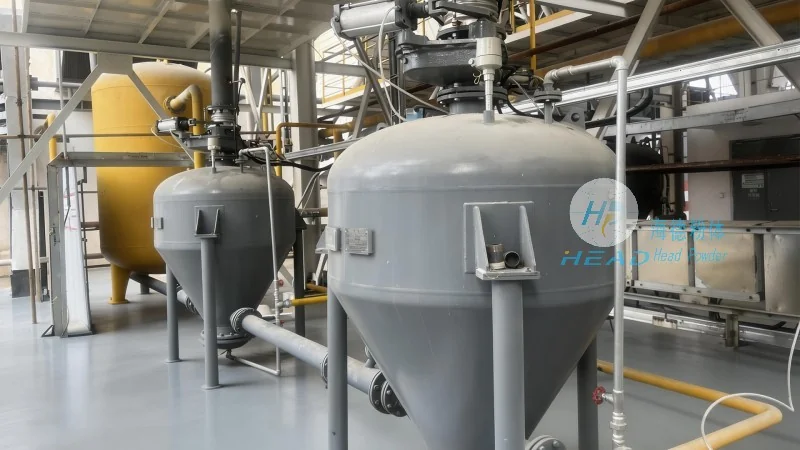
Every manufacturing facility has unique spatial constraints, production capacities, and material handling requirements. Therefore, a one-size-fits-all approach is often insufficient for effective chemical transport. A premier hexamethylenetetramine pneumatic conveying scheme must be meticulously tailored to the specific needs of the client. This customization process begins with a comprehensive site survey to understand the layout of the plant, the distance between the source and destination, and the volume of material to be moved. By analyzing these factors, engineers can design a system that optimizes energy consumption while maintaining a consistent flow rate. Whether the requirement involves a short-distance transfer within a building or a long-distance pipeline across a complex facility, the engineering team ensures that the configuration is perfectly aligned with the operational workflow.
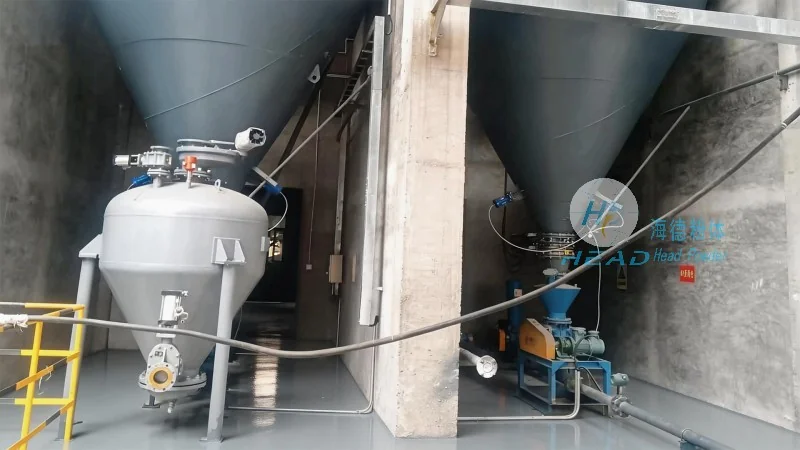
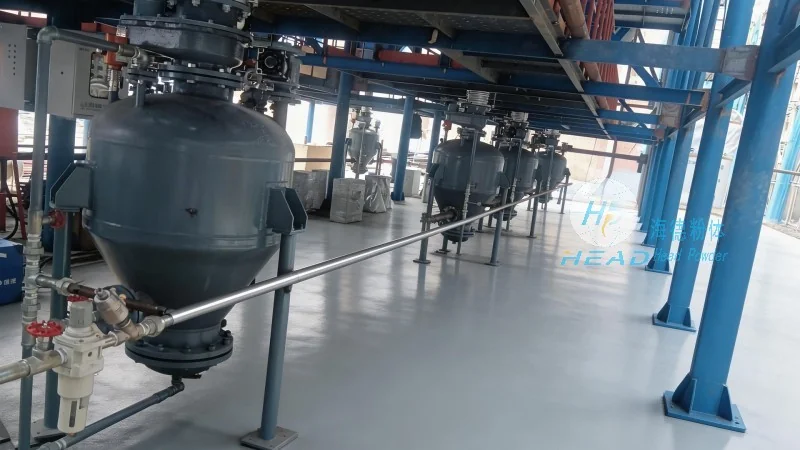
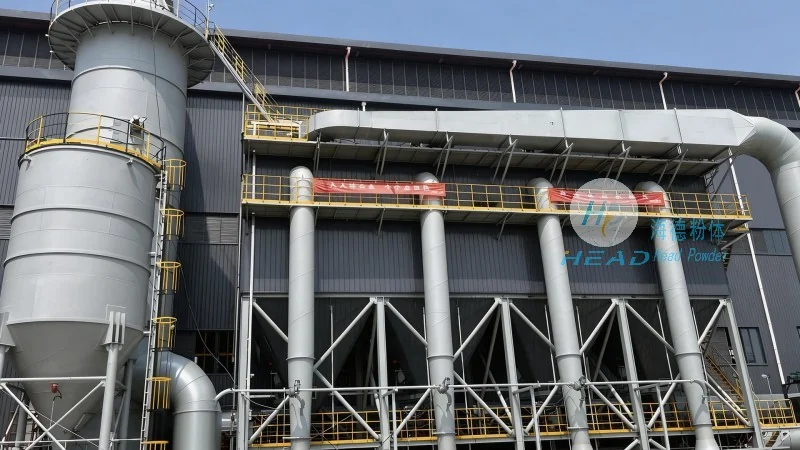
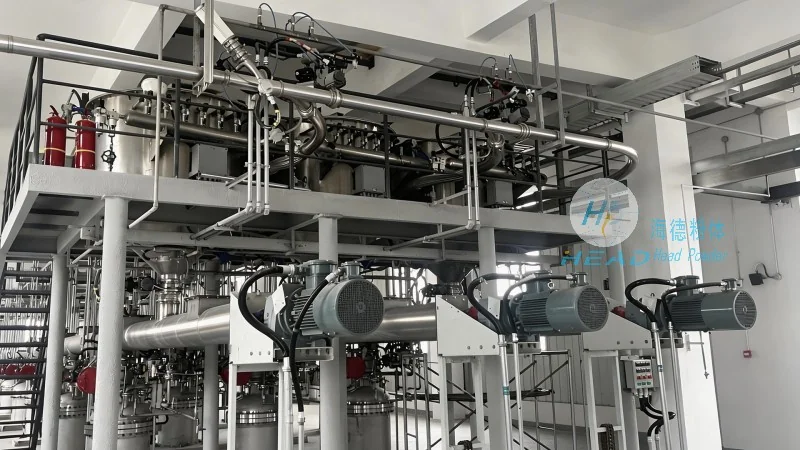
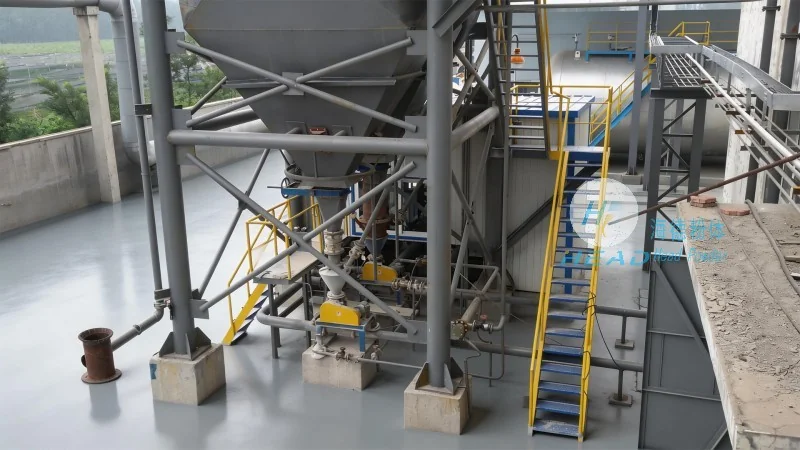
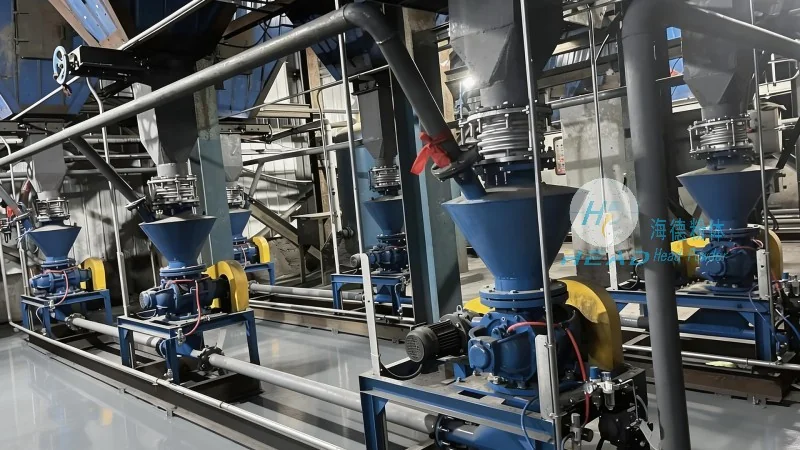
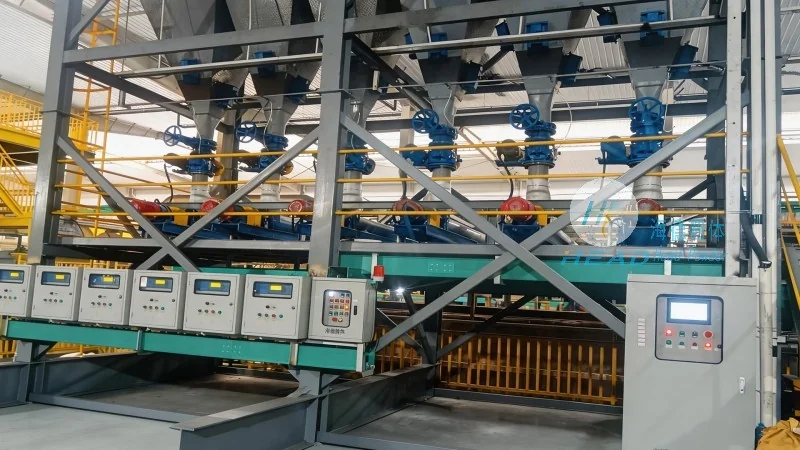
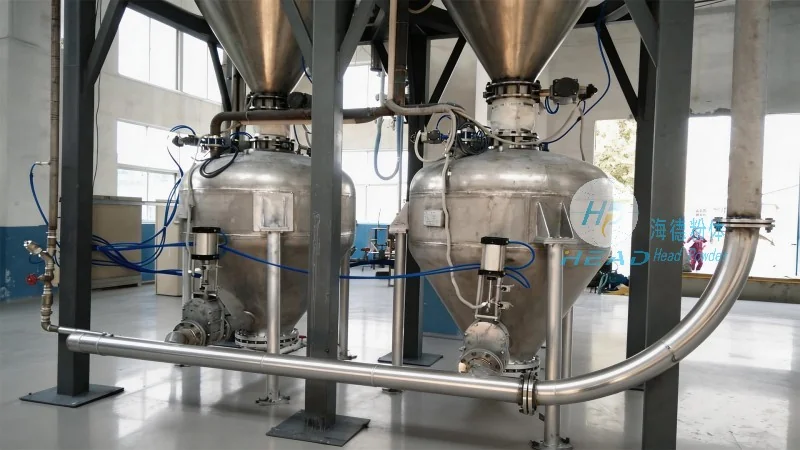
A fully integrated hexamethylenetetramine conveying system is composed of several critical components working in unison to achieve seamless material movement. The core of the system typically includes high-quality air compressors, rotary valves, and specialized piping networks designed to withstand the specific pressures and chemical interactions associated with hexamethylenetetramine. The system often employs dilute-phase or dense-phase conveying technologies, depending on the characteristics of the powder. Dense-phase conveying, for instance, is frequently preferred for fragile crystalline materials to prevent attrition and breakage. Additionally, the system is equipped with advanced filtration units and dust collection systems to ensure that no particulate matter escapes into the environment, thereby maintaining a clean and safe workplace environment.
Choosing the right partner for chemical handling equipment is a decision that impacts long-term operational safety and cost-efficiency. A dedicated hexamethylenetetramine pneumatic conveying manufacturer brings technical expertise and industry-specific experience to the table. This expertise is crucial for navigating the complex regulatory landscape surrounding chemical transportation. Shandong Headpowder Engineering Co., Ltd. exemplifies this commitment to excellence. Located in Shandong, China, the company has established itself as a reliable provider of engineering solutions. Their focus on the hexamethylenetetramine sector allows them to anticipate potential issues—such as pipe blockages or pressure fluctuations—and design systems that are inherently stable and easy to maintain.
Shandong Headpowder Engineering Co., Ltd. is dedicated to delivering high-performance equipment that meets international standards. The company’s engineering team works closely with clients to develop customized solutions that integrate smoothly into existing production lines. By utilizing state-of-the-art technology and high-grade materials, the systems provided ensure longevity and reliability. The company’s reputation is built on its ability to deliver turnkey solutions, from initial design and fabrication to installation and after-sales support. This holistic approach ensures that clients receive a complete package that addresses all aspects of material handling.
For businesses seeking a reliable and efficient method to transport hexamethylenetetramine, professional consultation is the first step. Engaging with a knowledgeable supplier ensures that the specific challenges of the material are understood and addressed. For detailed inquiries regarding project specifications, pricing, and technical support, interested parties are encouraged to reach out directly. You may contact Zhang Manager for personalized assistance. By communicating through WeChat at 15662777102, clients can discuss their specific needs and receive expert advice on the most suitable hexamethylenetetramine pneumatic conveying scheme tailored to their facility. Shandong Headpowder Engineering Co., Ltd. stands ready to provide the engineering excellence required to streamline your chemical processing operations.

 Shandong Headpowder Engineering Co., Ltd.
 156-6277-7102(Manager Zhang)
  0531-83386006
  Zhangqiu District, Jinan City, Shandong Province, China
telephone
WeChatconsult
top