With more than 10‑year industry experience, Shandong Headpowder delivers full‑service pneumatic‑conveying systems and blowers, undertaking nationwide turn‑key powder‑handling projects.
Shandong Headpowder Engineering Co., Ltd. has successfully executed a specialized engineering project for a prominent lithium battery manufacturer located in the Tijuana industrial zone of Mexico. This initiative represents a critical advancement in material handling infrastructure for the region's rapidly expanding energy storage sector. The facility required a robust and efficient solution to manage the continuous flow of lithium battery negative electrode powders, which are essential components in the production of high-capacity batteries. The project, known as the Mexico Tijuana Lithium Battery Negative Electrode Powder Silo Pump Pneumatic Conveying Project, addresses the complex logistical challenges associated with fine powder transportation in an industrial setting.
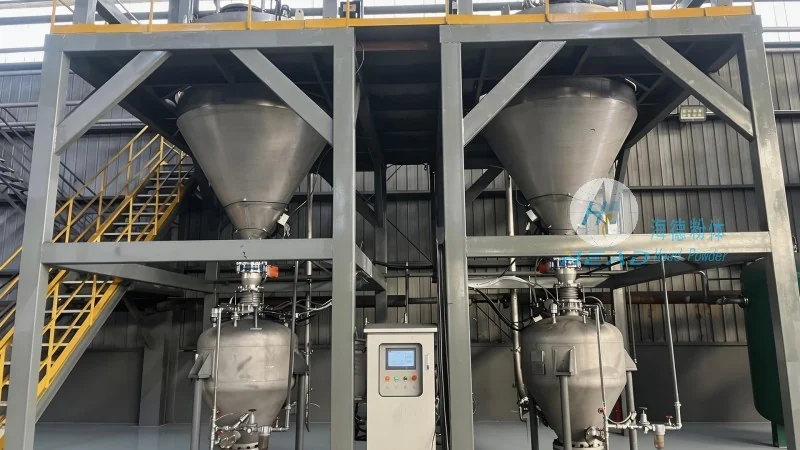
The core of this engineering solution lies in the implementation of advanced **bulk material pump pneumatic conveying** technology. Unlike traditional mechanical conveying methods that often cause dust pollution and significant material attrition, the system utilizes a high-pressure system to transport micro-fine powders through a closed pipeline network. The negative electrode materials, typically composed of graphite or silicon-carbon compounds, are extremely sensitive to moisture, mechanical stress, and oxidation. The **pneumatic conveying case** demonstrates how a carefully engineered pipeline network can maintain the integrity of these sensitive powders from the raw material storage silo to the mixing or granulation production line.
The system design focuses on optimizing the flow dynamics to ensure a consistent and stable material transfer rate. By utilizing a **bulk material pump**, the project achieves a high degree of automation, significantly reducing the need for manual intervention. This automation is crucial for maintaining the purity of the negative electrode powder, which directly impacts the quality and performance of the final battery cells. The engineering team at Shandong Headpowder Engineering Co., Ltd. conducted extensive simulations to determine the optimal pipe diameter, air pressure, and valve configurations, ensuring that the system operates with maximum efficiency under varying production loads.
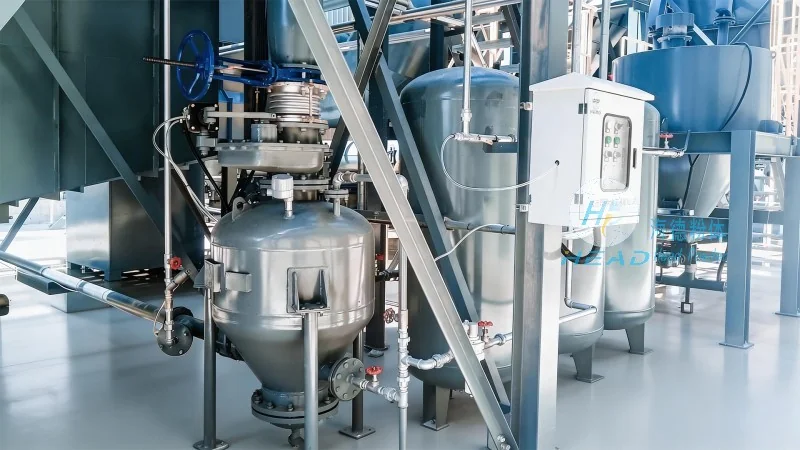
For clients in Latin America, selecting the right partner for **Latin America pneumatic conveying** projects is essential for long-term operational success. The Tijuana project serves as a testament to the engineering capabilities and reliability of Shandong Headpowder Engineering Co., Ltd. The system is designed to handle high volumes with low energy consumption, a crucial factor for industrial facilities aiming to reduce their operational costs and carbon footprint. The enclosed nature of the pneumatic conveying system also provides significant environmental benefits by preventing dust leakage, which is a common issue in powder handling facilities.
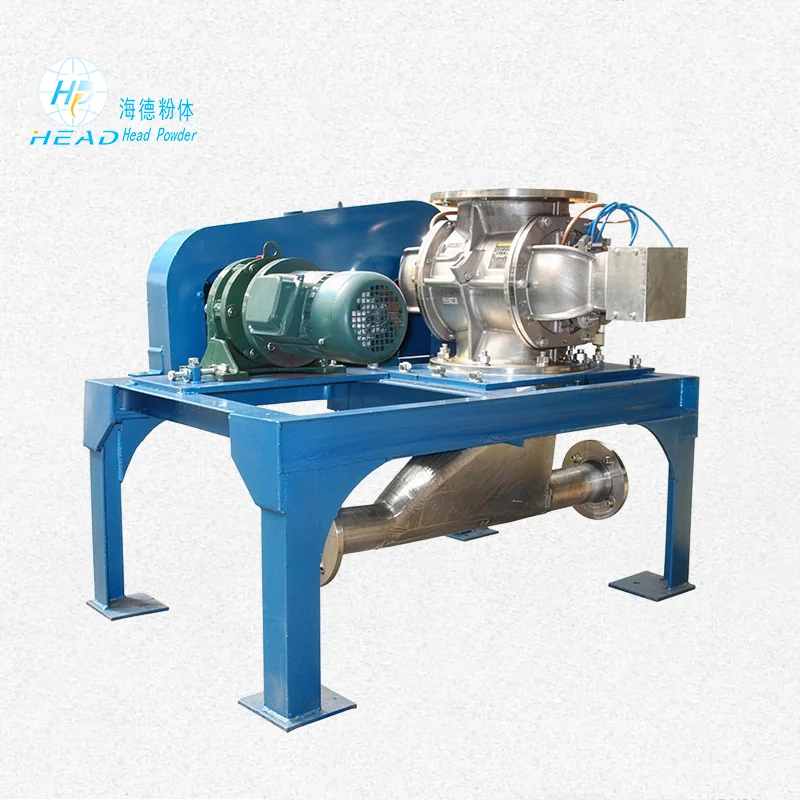
The **bulk material pump** system installed in this project features advanced control valves and aeration devices. These components work in unison to create a dense phase or dilute phase flow depending on the specific characteristics of the negative electrode powder. This flexibility ensures that the system can adapt to various processing requirements without the need for frequent maintenance. The project underscores the importance of customization in industrial engineering, where a "one-size-fits-all" approach often fails to meet the rigorous demands of modern battery production. The seamless integration of this technology into the existing facility layout highlights the technical prowess of the engineering team.
Shandong Headpowder Engineering Co., Ltd. is a leading enterprise based in Shandong, China, dedicated to providing comprehensive engineering solutions for powder handling. With a strong focus on quality, innovation, and customer satisfaction, the company has established itself as a preferred partner for international clients across the globe. The success of the Mexico Tijuana project reinforces the company's reputation in the field of **bulk material pump pneumatic conveying**. By leveraging local expertise and global engineering standards, the team ensured that the project was completed on schedule and within budget, meeting all the specific technical requirements of the client.
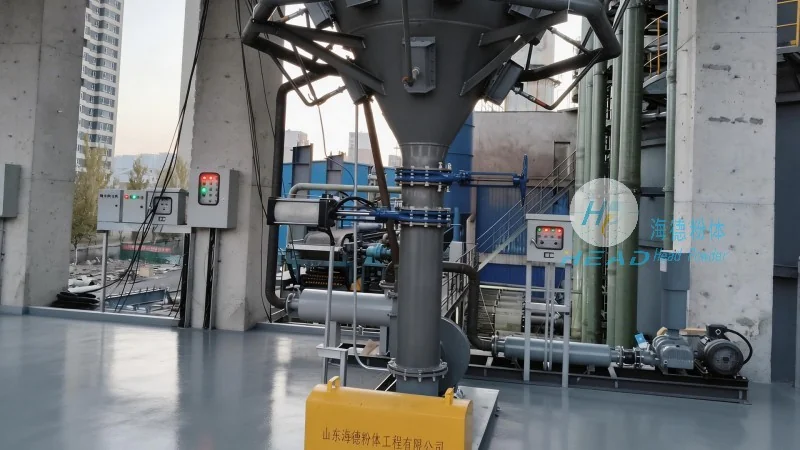
The **pneumatic conveying case** in Tijuana is not just about moving material; it is about creating a safer and more efficient production environment. The system eliminates the need for manual scooping or mechanical conveyors that can pose safety risks to workers. Fine powders, when airborne, can pose serious health hazards if inhaled. The enclosed design of the Shandong Headpowder system ensures that the powder remains contained throughout the entire transfer process, protecting both the product and the environment. This commitment to safety and environmental protection is a hallmark of Shandong Headpowder Engineering Co., Ltd.
The **Latin America pneumatic conveying** market is witnessing a surge in demand due to the region's growing focus on renewable energy and electric vehicles. This project in Tijuana is a prime example of how international engineering companies are contributing to this growth. The system’s ability to handle large quantities of material with high precision makes it an ideal solution for large-scale battery manufacturing plants. The engineering team took great care to ensure that the system complies with all local regulations in Mexico, providing peace of mind to the client regarding legal and safety compliance.
In conclusion, the lithium battery negative electrode powder storage and transfer project in Tijuana represents a significant milestone in the application of **pneumatic conveying technology**. It addresses the specific challenges associated with handling fine, reactive powders. The project not only improved the logistical efficiency of the client’s facility but also set a benchmark for future installations in the region. For businesses looking to upgrade their material handling infrastructure, this **pneumatic conveying case** offers valuable insights into the benefits of modern automation and engineering.
If you are interested in similar engineering solutions or require a detailed consultation for your own facility, please do not hesitate to reach out. The team at Shandong Headpowder Engineering Co., Ltd. is ready to assist you in designing a system that meets your specific needs. You can contact Mr. Zhang, the project manager, for more information. You can reach him via WeChat at 15662777102. We look forward to helping you optimize your production processes with our advanced **pneumatic conveying technology**.
The **bulk material pump** technology employed in this project is a cornerstone of modern powder handling. It continues to evolve with advancements in automation and control systems, offering even greater efficiency in the future. The Tijuana project stands as a model for how engineering excellence can drive industrial productivity. Shandong Headpowder Engineering Co., Ltd. remains committed to pushing the boundaries of what is possible in **bulk material pump pneumatic conveying**, ensuring that clients receive the most cutting-edge solutions available on the market today.

 Shandong Headpowder Engineering Co., Ltd.
 156-6277-7102(Manager Zhang)
  0531-83386006
  Zhangqiu District, Jinan City, Shandong Province, China
telephone
WeChatconsult
top