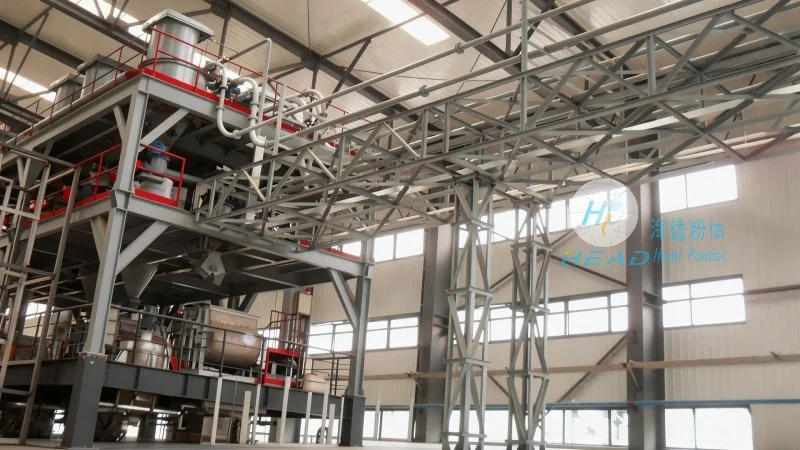
With more than 10‑year industry experience, Shandong Headpowder delivers full‑service pneumatic‑conveying systems and blowers, undertaking nationwide turn‑key powder‑handling projects.
Polytetrafluoroethylene (PTFE) is a synthetic fluoropolymer known for its exceptional chemical resistance, low friction coefficient, and high-temperature stability. These properties make it invaluable in industries ranging from chemical processing to aerospace and food manufacturing. However, handling PTFE powder presents unique engineering challenges. Unlike free-flowing granules, PTFE powder is often cohesive and prone to static electricity accumulation. Traditional mechanical conveying methods, such as screw conveyors or belt conveyors, frequently struggle with these characteristics, leading to issues like material bridging, blockages, and excessive wear on equipment. Furthermore, open handling systems can result in dust leakage, posing safety risks and environmental hazards. To address these complexities, a specialized approach is required, which is where advanced pneumatic conveying technology becomes essential.
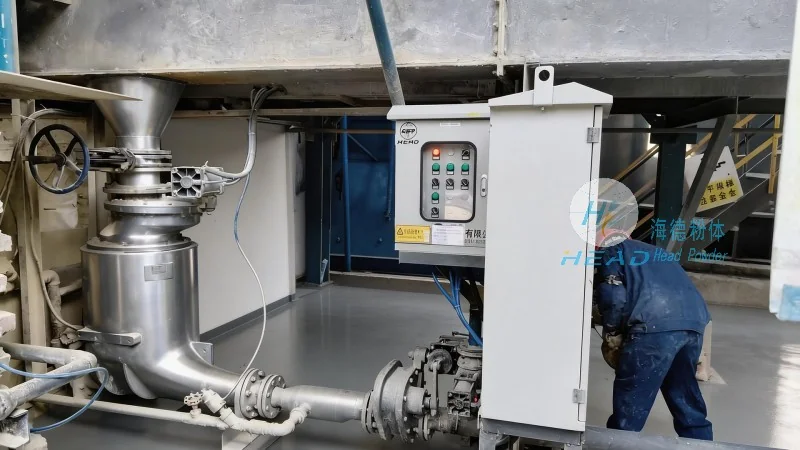
Pneumatic conveying utilizes a stream of air or gas to transport bulk solid materials through a pipeline. For PTFE powder, this method offers superior advantages over mechanical alternatives. By utilizing a closed pipeline system, pneumatic conveying effectively contains the fine powder, eliminating dust emissions and ensuring a clean working environment. The controlled flow of air helps prevent material agglomeration and reduces the risk of electrostatic discharge by dissipating charges safely. Moreover, pneumatic systems are highly flexible in terms of layout, allowing for efficient transport over long distances and through multiple elevation changes without the need for intermediate transfer points. This results in a streamlined process that minimizes material degradation and maximizes operational efficiency.
When selecting a partner for material handling equipment, it is crucial to work with an experienced manufacturer who understands the nuances of specific powders. As a dedicated **PTFE powder pneumatic conveying manufacturer**, Shandong Headpowder Engineering Co., Ltd. specializes in the design and fabrication of systems tailored to the specific physical properties of PTFE. Our engineering team possesses deep knowledge of fluid dynamics and powder mechanics, enabling us to predict and mitigate potential flow issues before they occur. We do not rely on generic solutions; instead, we engineer our systems to handle the unique challenges of PTFE, such as its tendency to cake and its sensitivity to static charges. Our manufacturing facility is equipped with state-of-the-art machinery to produce durable, high-performance components that withstand the demanding conditions of continuous industrial operation.
Every production facility has distinct spatial constraints, throughput requirements, and process integration needs. Therefore, a one-size-fits-all approach is rarely effective. At Shandong Headpowder Engineering Co., Ltd., we pride ourselves on providing comprehensive **PTFE powder pneumatic conveying solution** design services. Our process begins with a thorough analysis of your site layout and production flow. Based on this assessment, we recommend the optimal system configuration, whether it be negative pressure suction or positive pressure blowing. We also determine the most suitable conveying mode—such as dilute phase or dense phase—to balance energy consumption with material integrity. Our custom solutions ensure that the **PTFE powder pneumatic conveying system** integrates seamlessly into your existing infrastructure, optimizing your workflow and reducing downtime.
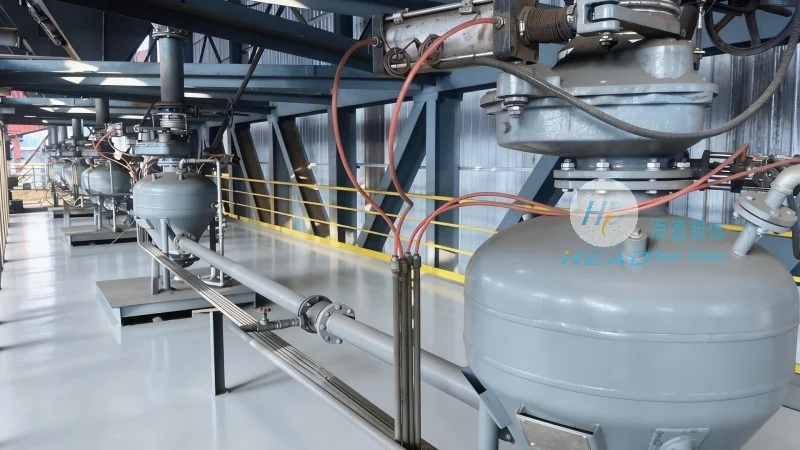
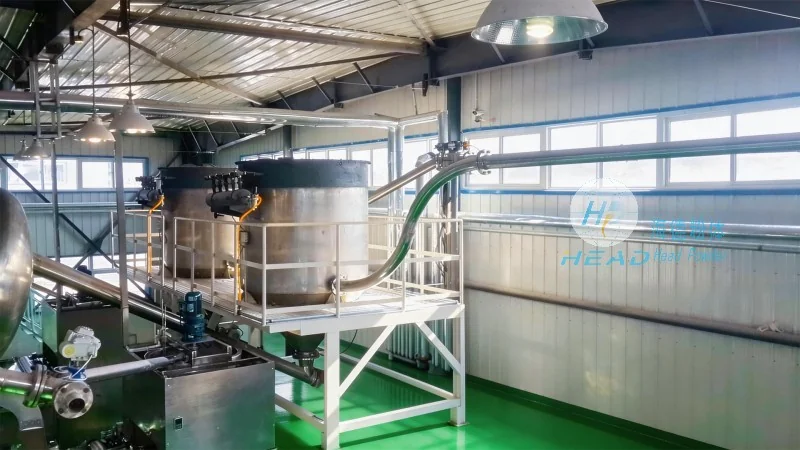
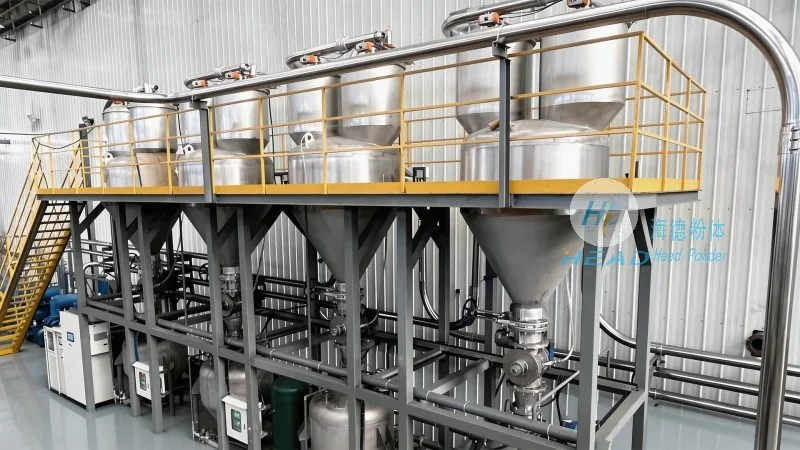
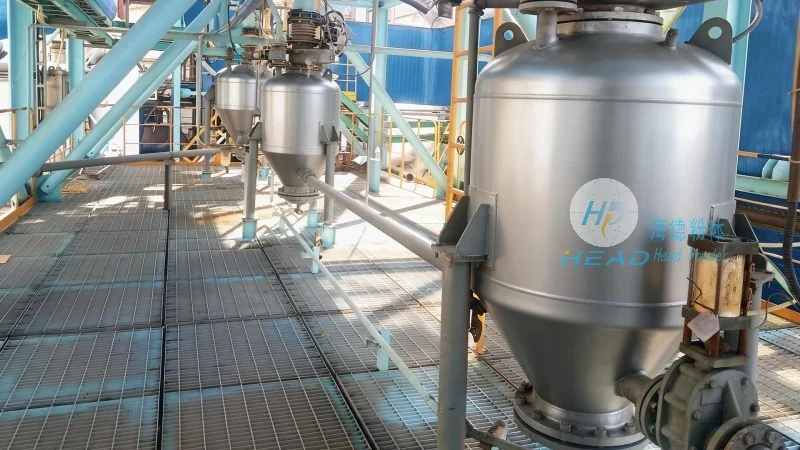
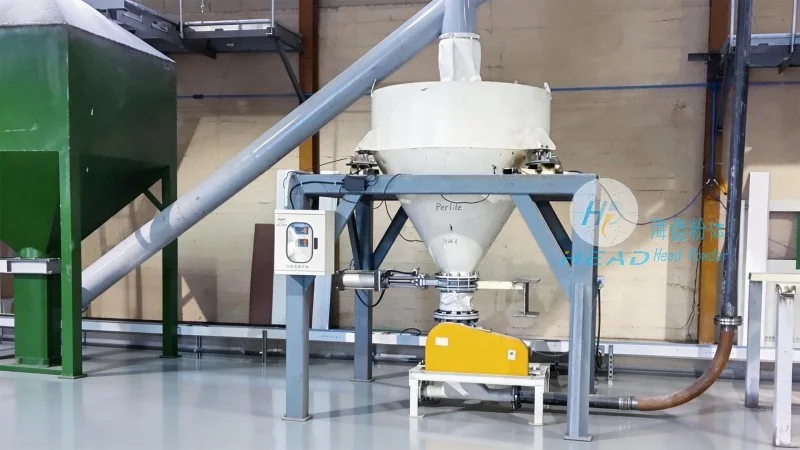
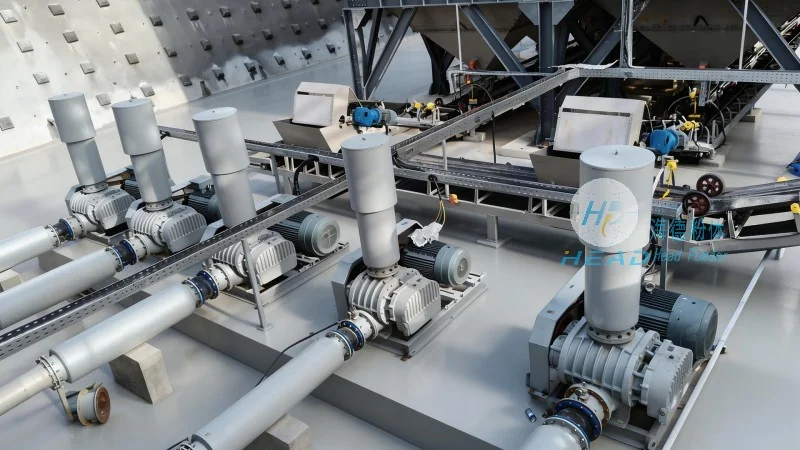
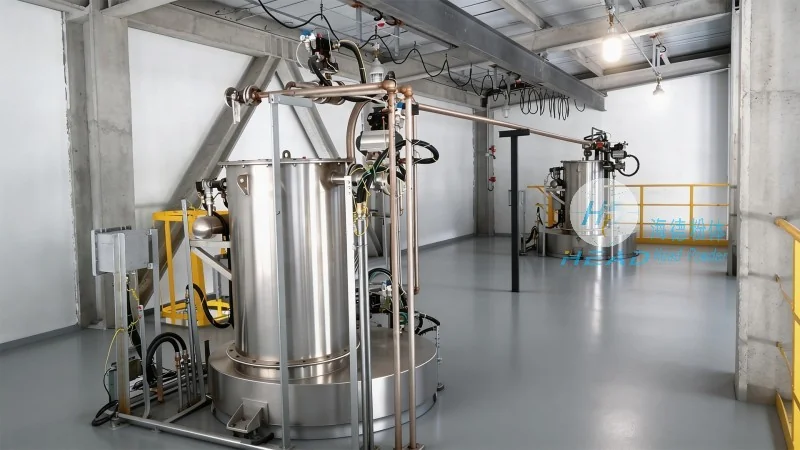
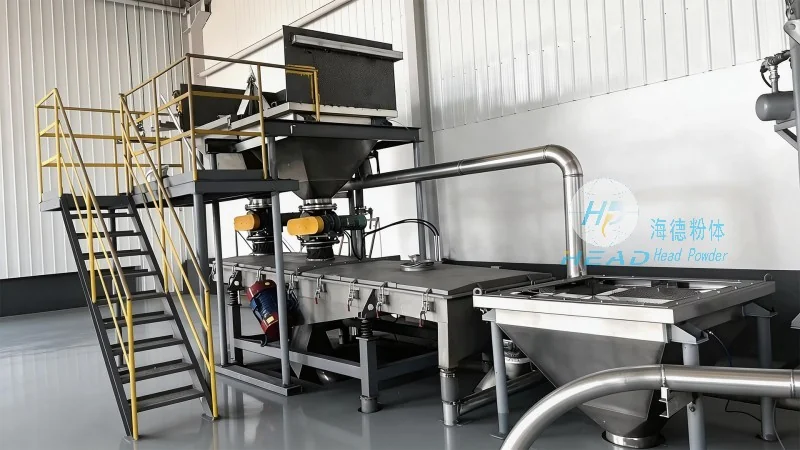
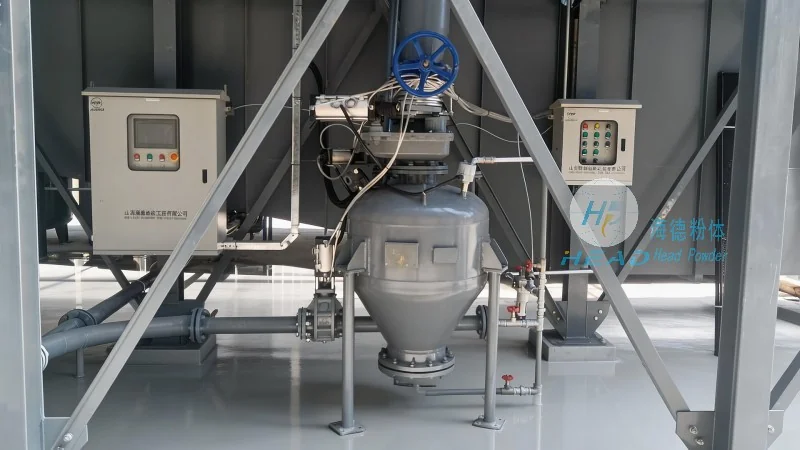
A robust **PTFE powder conveying system** relies on a combination of precision-engineered components. We utilize high-quality materials, including stainless steel and specialized polymers, to construct pipelines and vessels that resist corrosion and wear. Key components in our systems include rotary feeders, airlocks, filter receivers, and automated control panels. For PTFE applications, we often incorporate anti-static grounding measures and specialized lining materials to prevent material adhesion to the pipe walls. Our control systems offer real-time monitoring of pressure, flow rate, and air quality, allowing operators to adjust parameters dynamically for optimal performance. This technological integration ensures a reliable, continuous supply of PTFE powder to processing units, reducing the need for manual intervention and increasing overall plant safety.
Headquartered in Shandong, China, Shandong Headpowder Engineering Co., Ltd. is a leading enterprise in the field of powder handling technology. We are committed to innovation, quality, and customer satisfaction. Our company bridges the gap between advanced engineering concepts and practical industrial application. By leveraging local manufacturing capabilities and international engineering standards, we deliver cost-effective solutions that meet global quality benchmarks. Our team of experts is dedicated to supporting clients throughout the entire project lifecycle, from initial feasibility studies and design to installation, commissioning, and after-sales service. We strive to be the preferred partner for companies seeking reliable material transport solutions.
For more information regarding our capabilities or to discuss your specific project requirements, please do not hesitate to reach out. Our team is ready to assist you in developing the most efficient handling system for your operations. You can contact our contact person, Mr. Zhang, for detailed consultation. We encourage you to connect with us via WeChat at 15662777102. We look forward to collaborating with you to optimize your production processes.

 Shandong Headpowder Engineering Co., Ltd.
 156-6277-7102(Manager Zhang)
  0531-83386006
  Zhangqiu District, Jinan City, Shandong Province, China
telephone
WeChatconsult
top