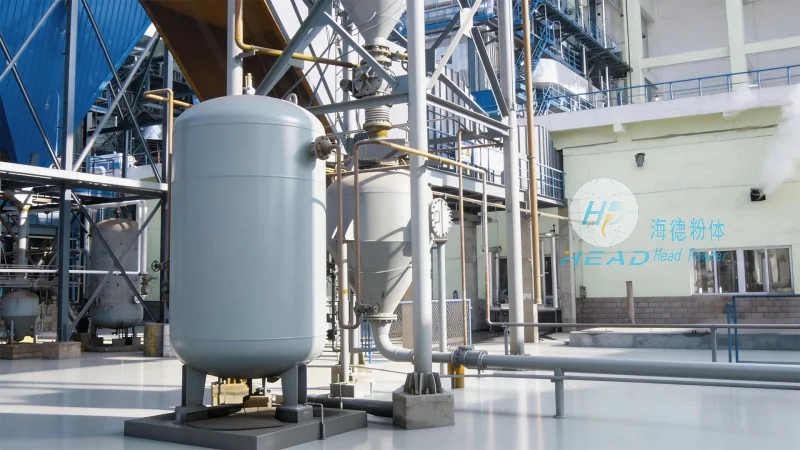
With more than 10‑year industry experience, Shandong Headpowder delivers full‑service pneumatic‑conveying systems and blowers, undertaking nationwide turn‑key powder‑handling projects.
Microcrystalline Cellulose (MCC) is a crucial material widely utilized in the pharmaceutical, food, and chemical industries due to its excellent binding, disintegrating, and thickening properties. As a leading Microcrystalline Cellulose MCC pneumatic conveying manufacturer, we understand the unique challenges associated with processing this fine, high-purity powder. Traditional mechanical conveying methods often struggle with MCC's tendency to agglomerate and generate dust. Therefore, implementing a robust Microcrystalline Cellulose MCC conveying system is essential for maintaining product integrity and ensuring operational safety.
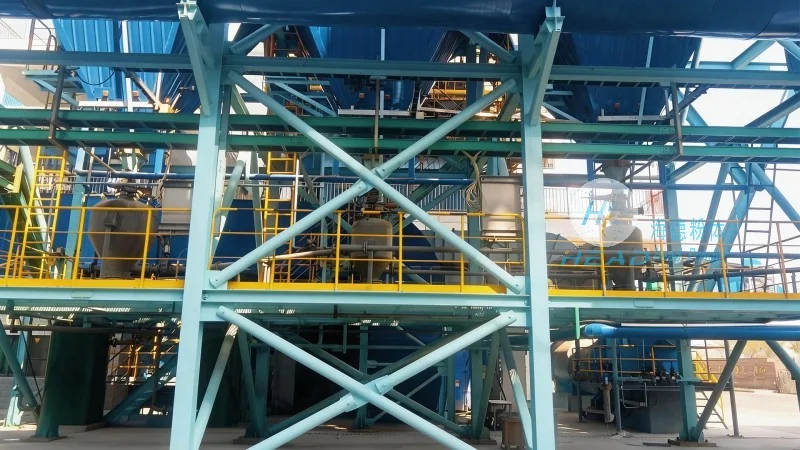
Handling fine powders like MCC requires precision engineering. A dedicated Microcrystalline Cellulose MCC pneumatic conveying scheme is designed to address the specific physical characteristics of the material. Unlike bulk solids that are abrasive or sticky, MCC is known for its high flowability but can still suffer from segregation and static electricity. Our advanced pneumatic conveying technology utilizes controlled airflows to transport the material through pipelines without compromising its granular structure. This ensures that the final product quality remains consistent from the silo to the packaging line.
Located in Shandong, China, Shandong Headpowder Engineering Co., Ltd. has established itself as a premier provider of bulk material handling solutions. We specialize in the design and fabrication of high-efficiency pneumatic conveying equipment tailored to the specific needs of our clients. As a trusted Microcrystalline Cellulose MCC pneumatic conveying manufacturer, our facility is equipped with state-of-the-art machinery and staffed by a team of experienced engineers dedicated to solving complex material handling problems.
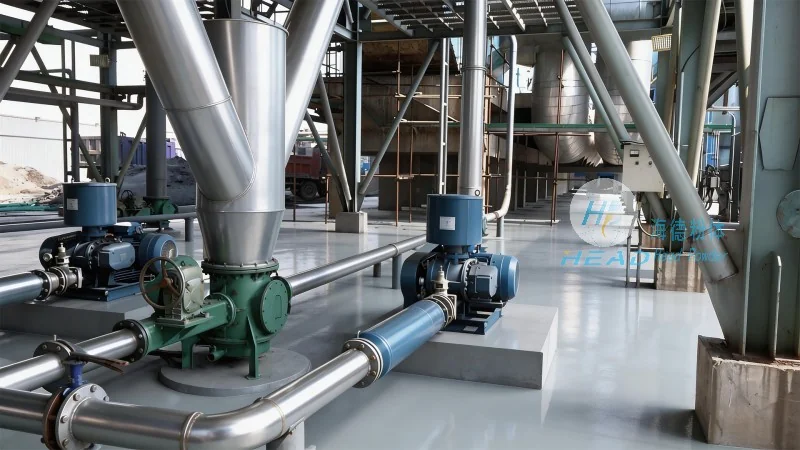
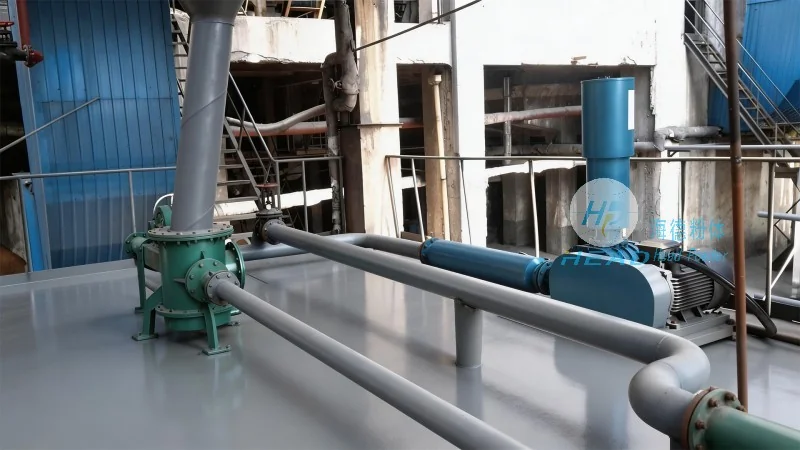
Every production facility has unique spatial constraints and production requirements. Therefore, a one-size-fits-all approach does not work for powder handling. Shandong Headpowder Engineering Co., Ltd. excels in providing Microcrystalline Cellulose MCC pneumatic conveying schemes that are fully customized to the client's layout. Whether the facility requires a horizontal, vertical, or S-shaped pipeline configuration, our engineering team meticulously plans the route to minimize energy consumption while maximizing throughput. Our custom solutions ensure that the Microcrystalline Cellulose MCC conveying system integrates seamlessly into the existing production line.
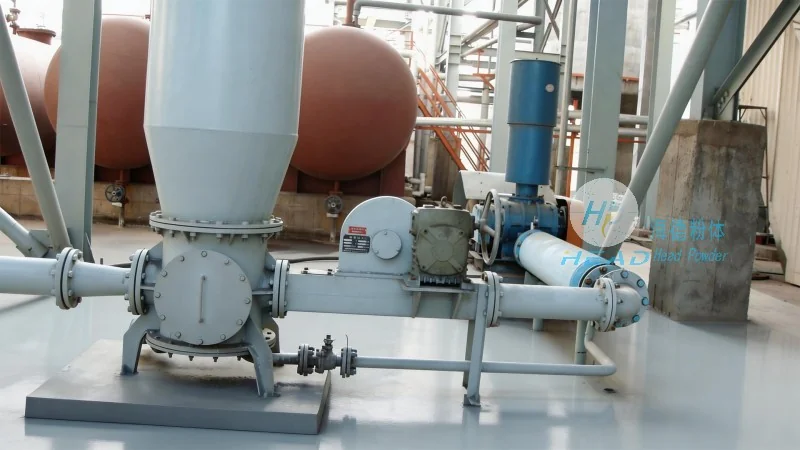
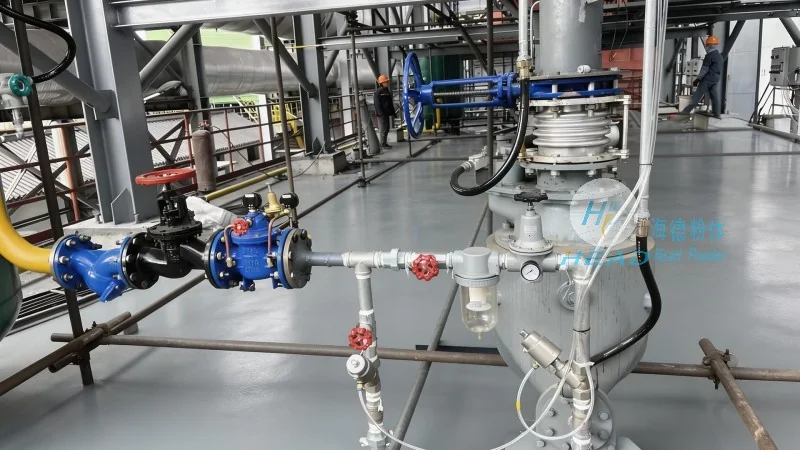
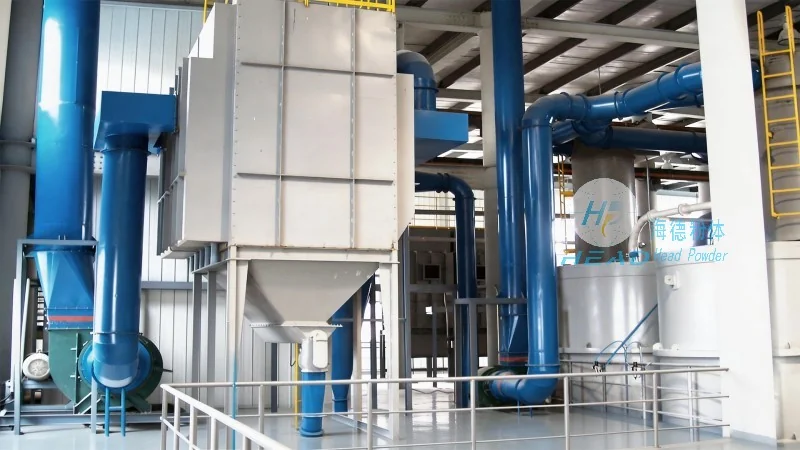
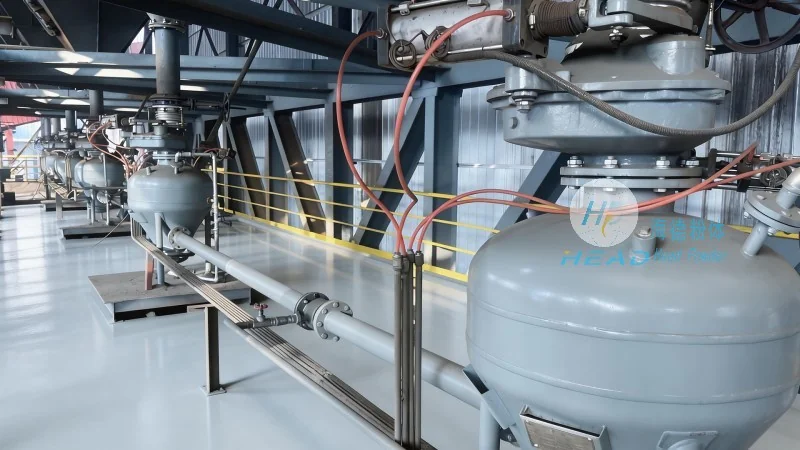
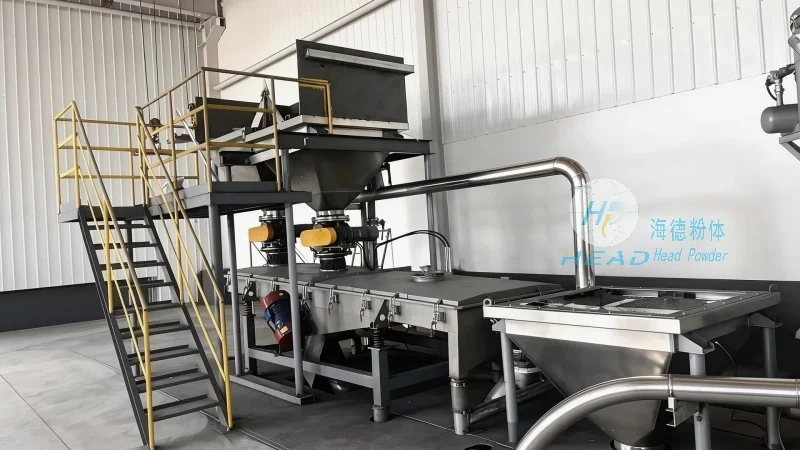
A reliable Microcrystalline Cellulose MCC conveying system relies on high-quality components. We supply a complete range of equipment, including rotary valves, double-flap valves, rotary airlocks, and specialized dust collectors. These components are manufactured from high-grade stainless steel, ensuring corrosion resistance and long service life. Our equipment is designed to operate under varying pressure conditions, providing a stable and continuous flow of MCC. By utilizing our Microcrystalline Cellulose MCC pneumatic conveying scheme, clients benefit from reduced maintenance downtime and lower operational costs.
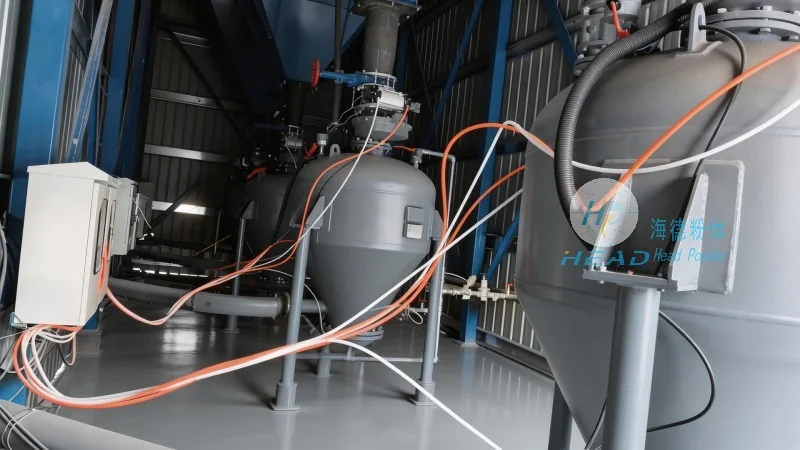
In industries where MCC is used as an excipient, hygiene is paramount. Our pneumatic conveying systems are designed with cleanability in mind. The system is fully enclosed, which prevents dust leakage and eliminates the risk of cross-contamination between different production batches. This closed-loop Microcrystalline Cellulose MCC conveying system not only protects the environment but also ensures compliance with strict GMP and food safety regulations. Our team at Shandong Headpowder Engineering Co., Ltd. rigorously tests every system to guarantee it meets the highest industry standards.
Choosing the right partner for bulk material handling is a critical decision for any manufacturing plant. Shandong Headpowder Engineering Co., Ltd. offers a comprehensive package that includes design, manufacturing, installation, and after-sales service. We pride ourselves on our technical expertise and customer-centric approach. When you partner with us, you are selecting a supplier that prioritizes efficiency, reliability, and product quality. Our Microcrystalline Cellulose MCC pneumatic conveying manufacturer services are backed by years of successful project implementation across various industries.
To discuss your specific material handling requirements or to request a detailed quote for a Microcrystalline Cellulose MCC conveying system, please do not hesitate to contact us. Our team of experts is ready to provide professional advice tailored to your production environment. You may reach our contact person, Manager Zhang, via WeChat at 15662777102. Shandong Headpowder Engineering Co., Ltd. is committed to delivering superior pneumatic conveying solutions that drive your business forward.

 Shandong Headpowder Engineering Co., Ltd.
 156-6277-7102(Manager Zhang)
  0531-83386006
  Zhangqiu District, Jinan City, Shandong Province, China
telephone
WeChatconsult
top