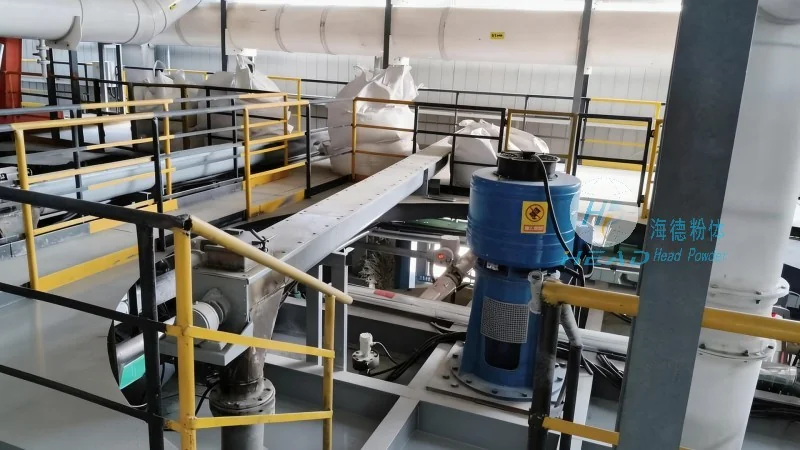
With more than 10‑year industry experience, Shandong Headpowder delivers full‑service pneumatic‑conveying systems and blowers, undertaking nationwide turn‑key powder‑handling projects.
Within the complex landscape of modern manufacturing, particularly within the ceramic industry, the efficient handling of raw materials is a critical component of production success. Ceramic powder, due to its fine particle size and specific physical properties, presents unique challenges for transportation. Traditional mechanical conveying methods often fall short, potentially leading to dust pollution, material degradation, and operational inefficiencies. To address these challenges, a specialized approach is required that prioritizes cleanliness, efficiency, and automation. This is where the expertise of a professional ceramic powder pneumatic conveying manufacturer becomes indispensable. Shandong Headpowder Engineering Co., Ltd. stands at the forefront of this technological niche, providing robust and reliable solutions tailored to the specific needs of ceramic production facilities. As a dedicated engineering firm based in China, we understand that every production line is unique, and therefore, a one-size-fits-all solution is rarely effective. Our commitment is to deliver systems that integrate seamlessly into existing workflows, ensuring a continuous and uncontaminated flow of materials from the storage silos to the processing machinery.
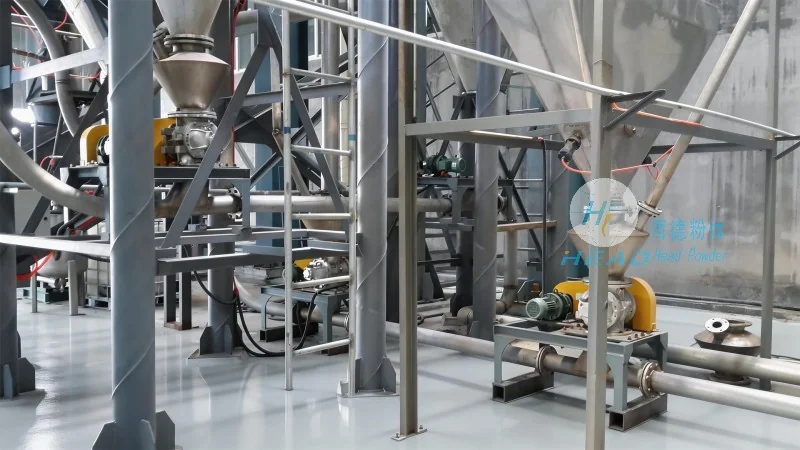
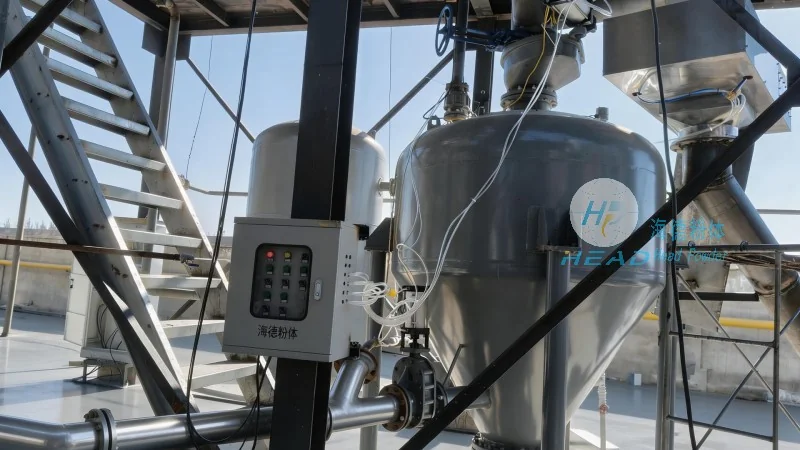
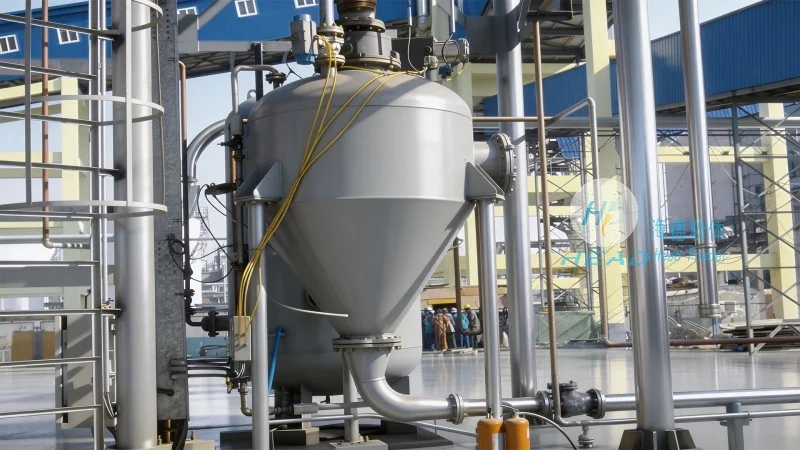
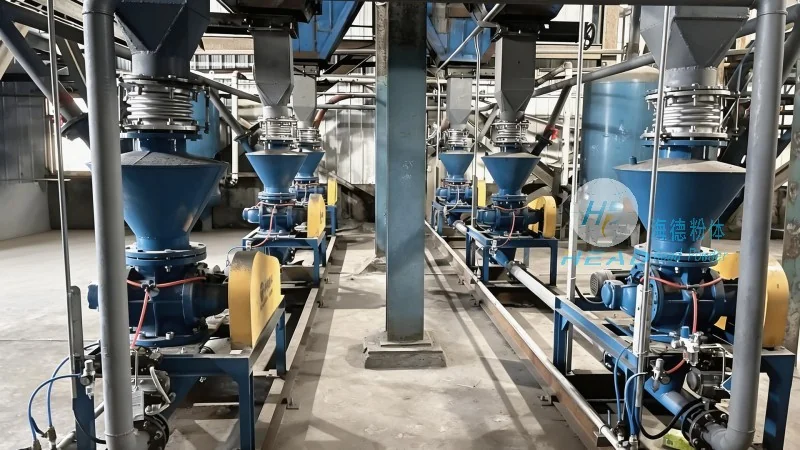
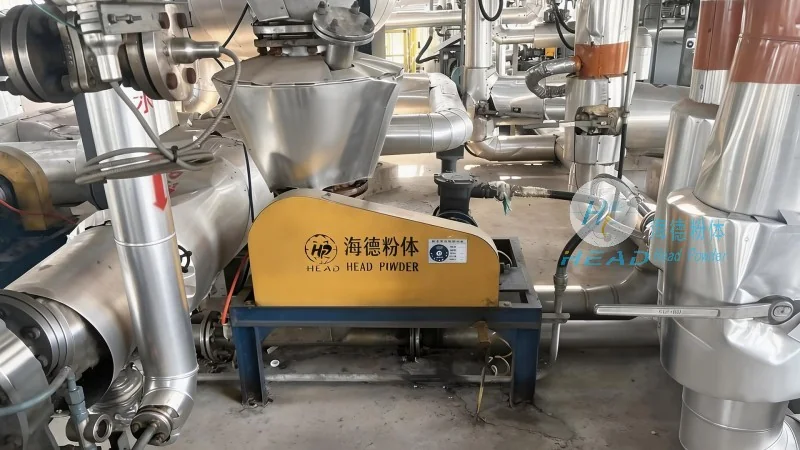
The core of our offering lies in our state-of-the-art ceramic powder conveying system. These systems utilize the principles of fluid dynamics to transport powdered materials through pipelines using compressed air or vacuum. Unlike traditional screw conveyors or bucket elevators, pneumatic conveying systems offer a sealed environment, which is essential when dealing with ceramic powders that can generate significant dust. Dust control is not only a regulatory requirement but also a matter of workplace safety and product quality. By utilizing a closed-loop system, we prevent the escape of fine particles into the atmosphere, protecting both the operator and the surrounding environment. Our systems are engineered to handle various types of ceramic powders, ranging from high-purity raw materials to mixed compounds, ensuring that the integrity of the material is preserved from the point of origin to the point of consumption. The design focuses on minimizing wear and tear on the equipment while maximizing the throughput, allowing manufacturers to scale their operations without compromising on reliability.
One of the primary advantages of our systems is their versatility in layout and operation. We design systems that can handle both dilute-phase and dense-phase conveying, depending on the specific characteristics of the ceramic powder and the distance it needs to travel. For short distances, dilute-phase systems are often used for their speed, while for longer distances or more cohesive powders, dense-phase systems are employed to reduce velocity and prevent particle attrition. Shandong Headpowder Engineering Co., Ltd. meticulously designs these systems, selecting the appropriate pipe diameters, air compression ratios, and valve configurations to ensure optimal performance. The result is a system that operates with high energy efficiency and low maintenance requirements, providing a long-term return on investment for our clients. Our engineering team conducts thorough simulations and calculations before installation to ensure that the system parameters are perfectly tuned for the specific ceramic plant's requirements.
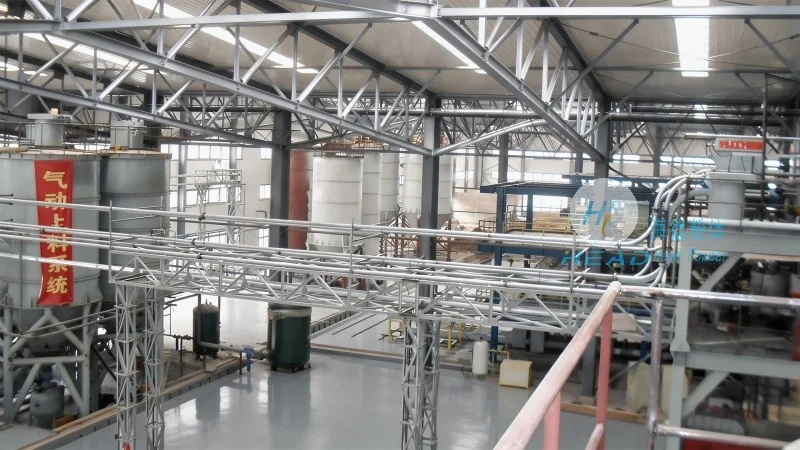
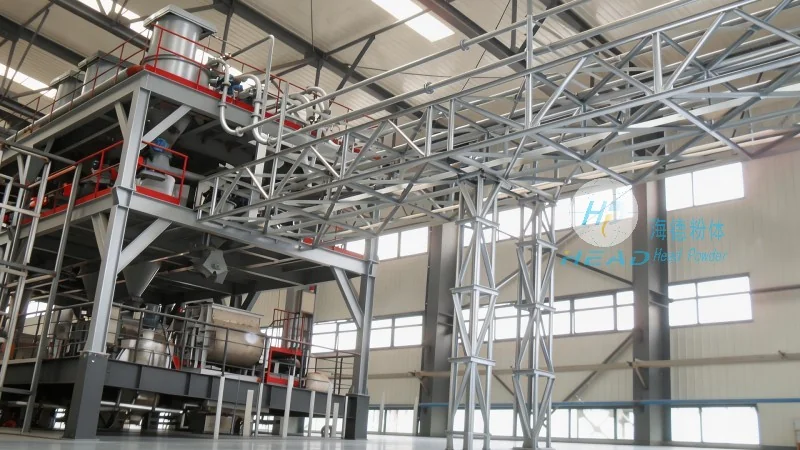
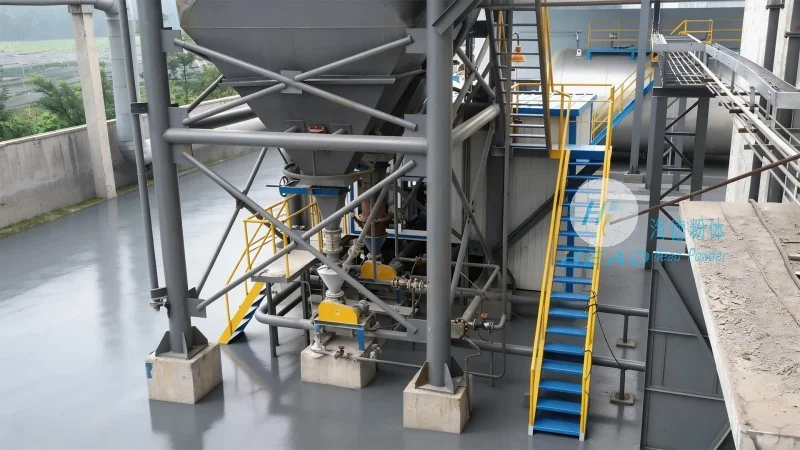
Recognizing that every ceramic plant has distinct spatial constraints and production goals, Shandong Headpowder Engineering Co., Ltd. specializes in providing ceramic powder pneumatic conveying schemes that are fully customized. A generic solution cannot account for the nuances of a specific factory layout, such as the height differences between silos, the existing pipe infrastructure, or the power supply availability. Our approach begins with a comprehensive site survey and a deep dive into the client's production processes. We analyze the volume of material to be moved, the frequency of transfers, and the specific properties of the ceramic powder, such as bulk density and flowability. This data allows us to craft a bespoke solution that fits perfectly into the client's operational ecosystem.
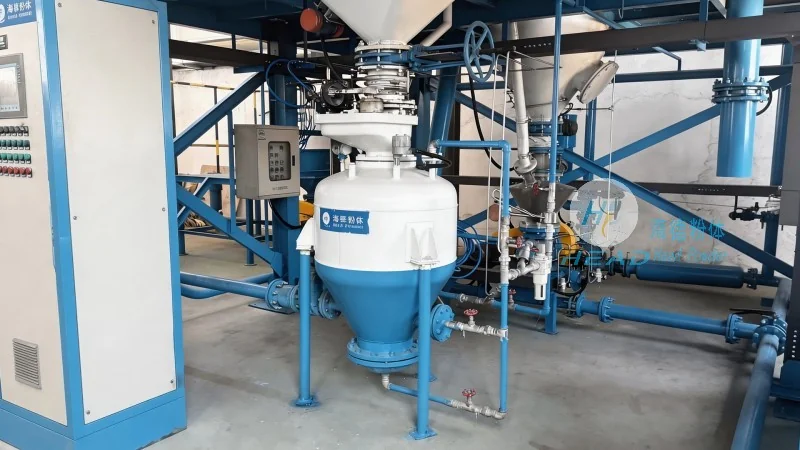
Our customization extends beyond just the technical specifications of the equipment. We work closely with clients to develop a ceramic powder pneumatic conveying scheme that aligns with their budget and timeline. This includes the design of auxiliary equipment such as dust collectors, filters, and rotary valves, which are critical for the smooth operation of the main conveying line. We also focus on the control systems, offering options for manual operation or fully automated PLC-based control that can be integrated with the client's existing factory management system. This level of customization ensures that the system not only meets the current production needs but is also scalable for future expansion. By choosing Shandong Headpowder Engineering Co., Ltd., clients gain a partner who is invested in the long-term success of their production line, providing ongoing support and technical expertise throughout the project lifecycle.
When selecting a partner for material handling equipment, reliability and technical expertise are paramount. Shandong Headpowder Engineering Co., Ltd. has established itself as a trusted name in the industry, driven by a philosophy of innovation and quality. As a leading ceramic powder pneumatic conveying manufacturer, we utilize the latest technology and adhere to strict quality control standards to ensure that every system we deliver performs flawlessly. Our manufacturing facility in Shandong, China, is equipped with advanced production machinery and staffed by a team of experienced engineers and technicians. This allows us to fabricate high-quality components that are durable and resistant to the harsh conditions often found in ceramic plants, such as high temperatures and abrasive environments.
Our location in Shandong provides us with a strategic advantage, allowing us to efficiently serve both domestic and international markets. We understand the global standards of quality and safety, and our systems are designed to meet or exceed these benchmarks. Customer satisfaction is our top priority, and we pride ourselves on our ability to deliver projects on time and within budget. From the initial consultation to the final commissioning and after-sales service, our team is dedicated to providing a seamless experience. We believe that a successful project is one that results in a reliable, efficient, and clean material handling process for our clients. Our reputation is built on the trust we have earned from our partners, and we continue to strive for excellence in every project we undertake.

 Shandong Headpowder Engineering Co., Ltd.
 156-6277-7102(Manager Zhang)
  0531-83386006
  Zhangqiu District, Jinan City, Shandong Province, China
telephone
WeChatconsult
top