With more than 10‑year industry experience, Shandong Headpowder delivers full‑service pneumatic‑conveying systems and blowers, undertaking nationwide turn‑key powder‑handling projects.
Wewak, located in the East Sepik Province of Papua New Guinea, represents a growing hub for industrial and manufacturing activities in the Oceania region. As industries in this area expand, the demand for precise and efficient material handling solutions has increased significantly. One of the most critical challenges faced by facilities processing advanced materials is the transportation of nanopowders. These fine particles, characterized by their extremely small particle size and high surface area, present unique difficulties in handling. Traditional mechanical conveyors often struggle with issues such as clogging, dust explosion risks, and material degradation. To address these challenges, a specialized solution was required. This led to the implementation of a cutting-edge **nanoparticle negative pressure dilute phase pneumatic conveying case** specifically tailored for the industrial environment in Wewak. This project highlights the critical need for advanced engineering in remote industrial settings and serves as a prime example of how modern technology can overcome geographical and material-specific hurdles.
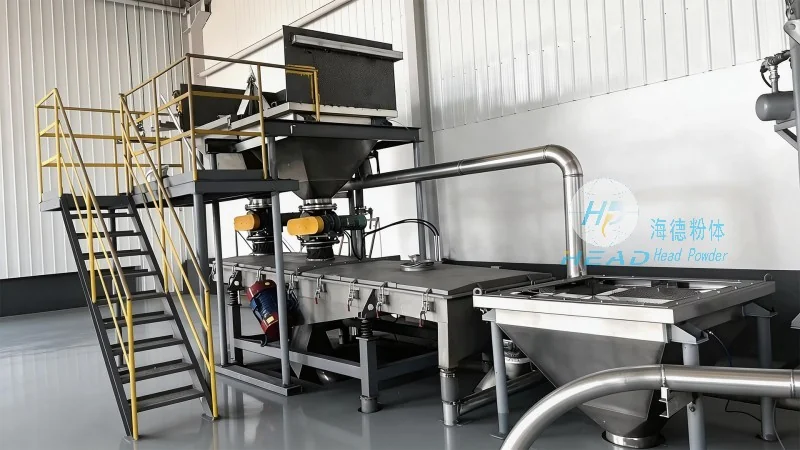
The selection of a pneumatic conveying system for this facility was driven by the necessity to maintain the integrity of the nanopowder during transit. Unlike bulk solids that are coarse and abrasive, nanopowders are prone to static electricity, oxidation, and agglomeration. The system designed for Wewak had to ensure that the material remained in a stable, free-flowing state from the storage silo to the processing unit. The project scope included not only the design and installation of the primary conveying line but also the integration of ancillary equipment necessary to handle the fine particulate matter safely. This comprehensive approach ensures that the facility can operate with high efficiency while adhering to strict safety standards regarding dust containment and material loss.
The core of this successful project is the application of **negative pressure dilute phase pneumatic conveying** technology. This method is particularly well-suited for the transportation of fine powders and granular materials because of its inherent safety features and operational efficiency. In a negative pressure system, the air is drawn from the system, creating a vacuum that pulls the material through the pipeline from the feed point to the destination. This setup is inherently safer than positive pressure systems, as any leaks in the pipeline will result in air being sucked in rather than material being blown out, thereby preventing dust pollution in the surrounding environment.
The term "dilute phase" refers to the mixture ratio of air to material. In this system, the velocity of the air is high, carrying the particles at a speed that prevents settling and clogging. For the Wewak case, the system parameters were meticulously calculated to match the specific characteristics of the nanopowder. The air-to-material ratio was optimized to ensure that the particles were suspended in the air stream without causing excessive wear on the pipeline. This balance is crucial; too low a velocity results in material build-up, while too high a velocity can cause erosion of the pipe walls and damage to the fragile nanoparticle structure. The result is a smooth, continuous flow of material that maximizes throughput while minimizing mechanical stress on both the equipment and the product.
Another critical aspect of this **pneumatic conveying case** is the use of advanced filtration and separation technology. As the material-laden air reaches the destination, it must be separated from the air stream without losing any of the valuable nanopowder. The system utilizes high-efficiency cyclone separators and bag filters that capture the finest particles. This ensures that the final product is delivered in its purest form, free from contamination. The design also incorporates pressure relief valves and safety checks to handle potential blockages or surges in material flow, ensuring the system remains robust and reliable under varying operational conditions.
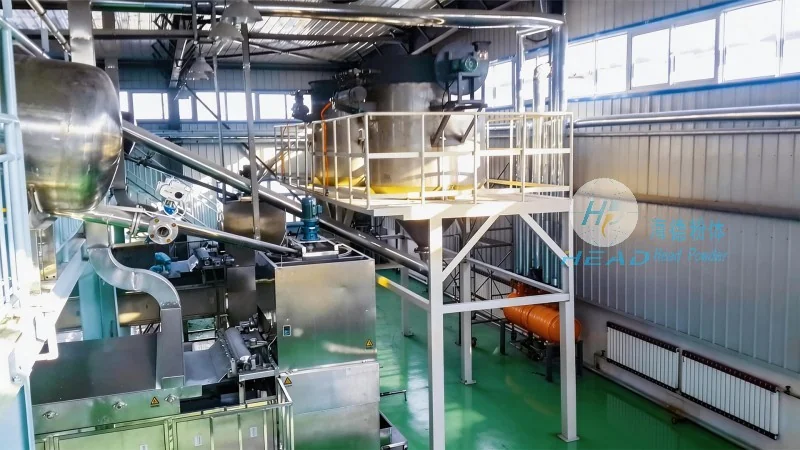
Implementing a **negative pressure dilute phase pneumatic conveying** system in the Papua New Guinea context offers several distinct advantages that align with the operational goals of the facility. First and foremost is the issue of dust control. In an industrial setting, especially one handling fine powders, airborne dust is not just a nuisance; it poses serious health risks to workers and can lead to compliance issues with environmental regulations. The negative pressure design inherently contains the dust within the closed loop of the system, ensuring that the work environment remains clean and safe. This is a significant improvement over open conveyors or mechanical belt systems, which can release fine particulates into the atmosphere.
Secondly, the system offers excellent flexibility in terms of layout and routing. The pipelines can be run through ceilings, walls, or under floors, allowing for a compact footprint that does not interfere with the facility's workflow. This flexibility is particularly valuable in Wewak, where space might be at a premium or where the existing infrastructure requires a non-intrusive solution. Furthermore, the dilute phase system is known for its simplicity in operation. With fewer moving parts compared to mechanical conveyors, the system reduces the likelihood of mechanical failure. This translates to lower maintenance costs and higher uptime, which is essential for maintaining production schedules in any industrial operation.
The system also addresses the challenge of material degradation. In many pneumatic conveying applications, the impact of particles against the pipe walls can degrade the material. However, in a well-designed negative pressure dilute phase system, the particles are suspended in the air, reducing direct impact. This gentle handling is vital for nanopowders, which are often chemically sensitive or structurally weak. By preserving the chemical and physical properties of the material, the facility ensures the quality of the end product remains consistent, which is a key requirement for high-value industrial materials.
Ensuring the success of such a complex project requires the expertise of a specialized engineering firm. This **pneumatic conveying case** was executed under the technical guidance and project management of Shandong Headpowder Engineering Co., Ltd. Headquartered in Shandong, China, the company has established itself as a leader in the field of bulk material handling. Shandong Headpowder Engineering Co., Ltd. combines deep technical knowledge with practical experience to deliver customized solutions that meet the specific needs of global clients. Their team of engineers specializes in analyzing material properties and designing systems that optimize performance and safety.
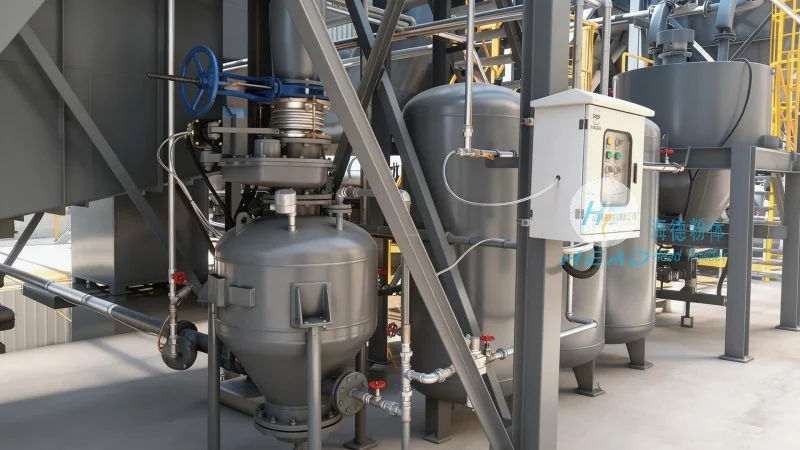
The company’s proficiency extends beyond domestic projects; they are a prominent provider of **oceania pneumatic conveying** solutions. Their ability to understand the logistical and technical challenges of international projects, such as those in Papua New Guinea, sets them apart. They handle everything from the initial feasibility study and equipment design to installation supervision and after-sales support. Their commitment to quality is reflected in the robust construction of the Wewak system, which is designed to withstand the local environmental conditions while providing reliable service for years to come.
Shandong Headpowder Engineering Co., Ltd. prides itself on its customer-centric approach. They understand that every project is unique, and a "one-size-fits-all" approach rarely works in material handling. Therefore, they invest heavily in research and development to stay at the forefront of conveying technology. Their portfolio includes a wide range of systems, from dilute phase to dense phase, and for various materials, including powders, granules, and pellets. This versatility allows them to offer tailored solutions that address the specific pain points of their clients, ensuring that the investment in the system yields a high return in terms of operational efficiency.
The implementation of the **nanoparticle negative pressure dilute phase pneumatic conveying case** in Wewak marks a significant milestone for the facility. The project involved rigorous testing and commissioning to ensure that all components functioned in harmony. The installation of the vacuum pumps, the piping network, and the filtration units was carried out with precision, adhering to international engineering standards. The system has since been operational, demonstrating consistent performance in transporting the nanopowder with minimal energy consumption and maximum reliability.
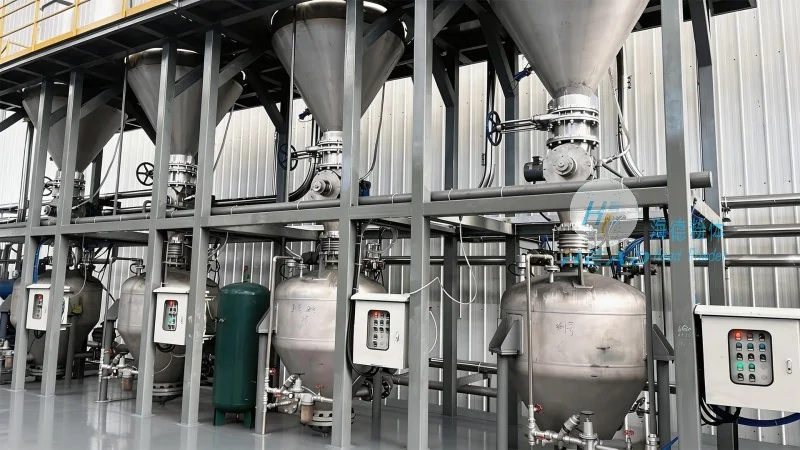
Looking forward, the facility is well-positioned to scale its operations. The modular nature of pneumatic conveying systems allows for easy expansion. If the demand for the nanopowder increases, additional feeding points or receiving stations can be added without disrupting the existing infrastructure. This scalability is a key benefit of choosing a pneumatic solution over rigid mechanical systems. Furthermore, the data collected from the system's sensors can provide valuable insights into material flow rates and system health, allowing for predictive maintenance and further optimization of the process.
The successful deployment of the **negative pressure dilute phase pneumatic conveying** system in Wewak, Papua New Guinea, stands as a testament to the capabilities of modern material handling technology. It solves the complex problems associated with nanopowder transportation, ensuring safety, efficiency, and product integrity. For industries in the Oceania region and beyond seeking reliable solutions for fine powder handling, this project serves as a benchmark for quality and engineering excellence.
If your facility is facing challenges with material handling, or if you are considering upgrading your existing systems to a more efficient pneumatic solution, expert consultation is essential. Shandong Headpowder Engineering Co., Ltd. is dedicated to providing these services. The team is ready to assist with the design, supply, and installation of bespoke pneumatic conveying systems tailored to your specific requirements.
For detailed discussions regarding your project needs, please contact the project manager, Mr. Zhang. You may reach him directly via WeChat at 15662777102. Shandong Headpowder Engineering Co., Ltd. looks forward to collaborating with you to achieve operational excellence in your material handling processes.

 Shandong Headpowder Engineering Co., Ltd.
 156-6277-7102(Manager Zhang)
  0531-83386006
  Zhangqiu District, Jinan City, Shandong Province, China
telephone
WeChatconsult
top