With more than 10‑year industry experience, Shandong Headpowder delivers full‑service pneumatic‑conveying systems and blowers, undertaking nationwide turn‑key powder‑handling projects.
Understanding the mechanics and structural design of aggregate powder conveying systems is crucial for industries dealing with bulk materials. These systems are engineered to efficiently transport granular and powdery materials, such as aggregates, from one location to another. The technology behind these systems combines mechanical components and control mechanisms to ensure reliable and consistent material flow. In this overview, we explore the fundamental structure and operational principles that define modern aggregate powder conveying solutions.
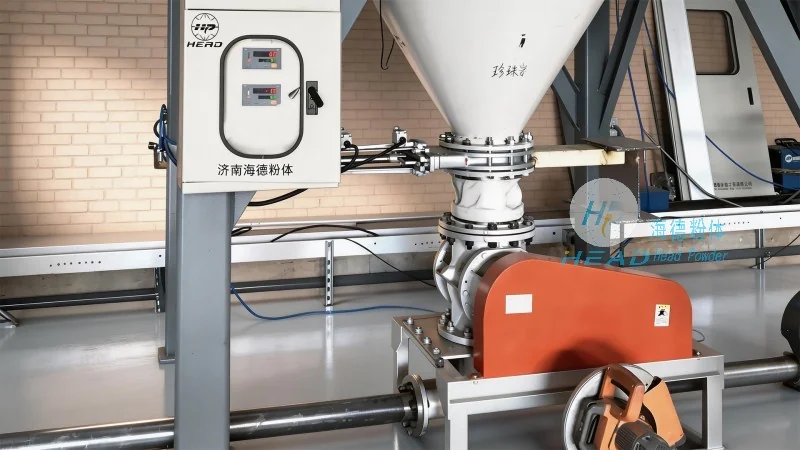
The core structure of an aggregate powder conveying system typically includes several essential components. The primary elements are the conveyor itself, which may be a belt, screw, or pneumatic system, depending on the material properties and application requirements. Supporting structures, such as frames and supports, provide stability and ensure the system operates within specified load limits. Additionally, control units, including motors, sensors, and valves, regulate the conveying process, enabling precise control over material flow rates and direction. The integration of these components into a cohesive system is critical for achieving optimal performance and minimizing downtime.
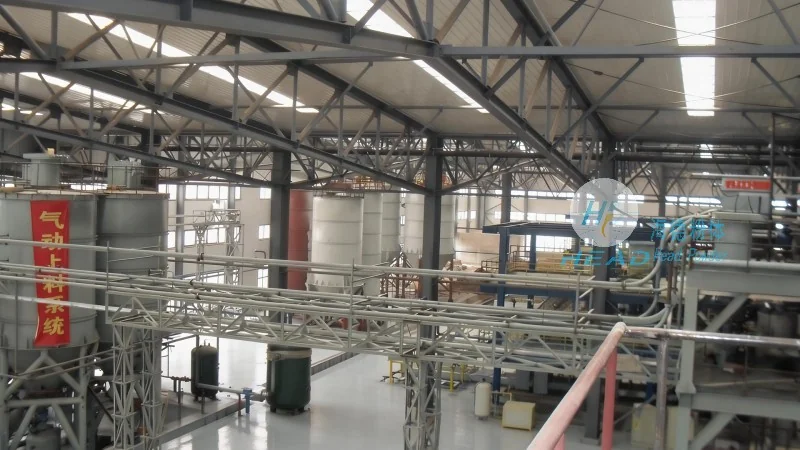
The operational principles of aggregate powder conveying systems revolve around the transfer of material through mechanical or pneumatic forces. Mechanical systems, like screw conveyors or belt conveyors, utilize rotational motion to move materials along a defined path. In contrast, pneumatic systems employ air pressure to transport powders through pipelines, often using positive or negative pressure to control flow. Both approaches aim to maximize efficiency by minimizing energy consumption and material degradation. Advanced control technologies, such as variable frequency drives and real-time monitoring, further enhance operational efficiency by adapting to changing conditions and optimizing performance. This ensures that the system operates at peak efficiency while maintaining product quality and reducing operational costs.
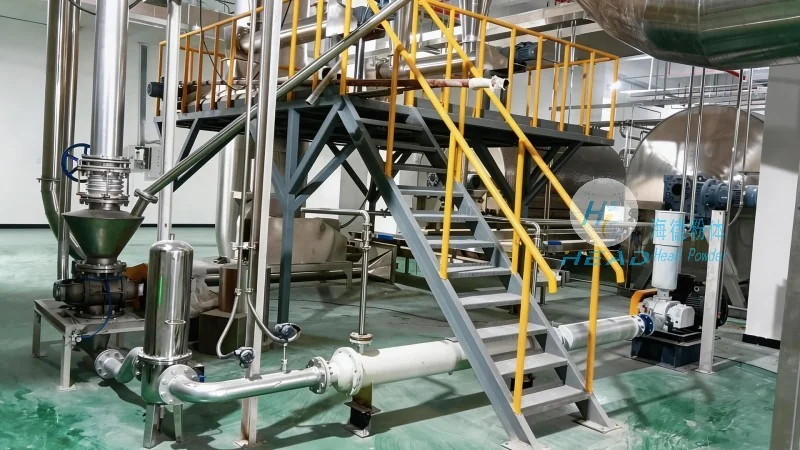
Aggregate powder conveying systems find widespread application across various industries, including construction, mining, and manufacturing. In the construction sector, these systems are essential for transporting sand, gravel, and cement to job sites, ensuring smooth project execution. The mining industry relies on them to move raw materials from extraction sites to processing facilities, supporting efficient production workflows. Manufacturing plants also utilize these systems to handle bulk materials like powders and granules, facilitating production processes and inventory management. The versatility of aggregate powder conveying systems makes them indispensable in environments where reliable and consistent material transport is critical.
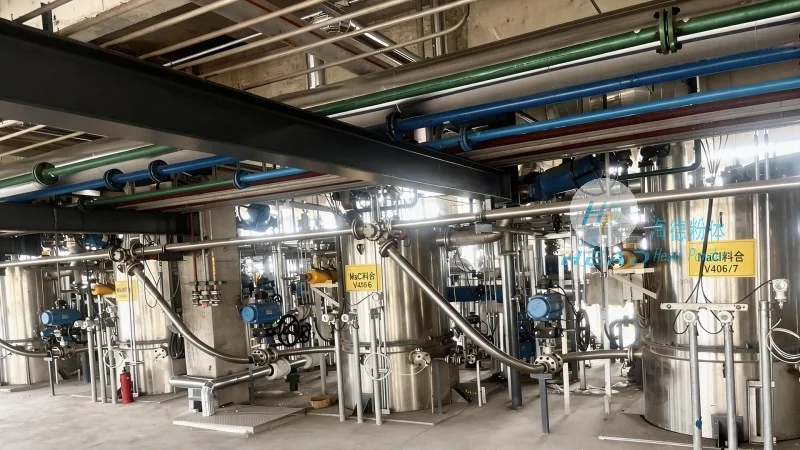
HeadPowder, a leading provider of engineering solutions for material handling, specializes in the design and manufacturing of aggregate powder conveying systems. With a focus on innovation and quality, the company has established itself as a trusted partner for industries requiring reliable bulk material transport solutions. HeadPowder's expertise lies in tailoring systems to meet specific customer needs, ensuring optimal performance and durability. The company's commitment to customer satisfaction and technical excellence has earned it a reputation for delivering high-quality products and services. Based in Shandong, China, HeadPowder leverages its local presence and industry knowledge to support clients across the region and beyond.

 Shandong Headpowder Engineering Co., Ltd.
 156-6277-7102(Manager Zhang)
  0531-83386006
  Zhangqiu District, Jinan City, Shandong Province, China
telephone
WeChatconsult
top