With more than 10‑year industry experience, Shandong Headpowder delivers full‑service pneumatic‑conveying systems and blowers, undertaking nationwide turn‑key powder‑handling projects.
Bean powder conveying systems are critical components in industrial processing, particularly for handling bulk materials like beans. Understanding the structure and operational principles of such systems is essential for optimizing efficiency and ensuring safe material transport. This overview aims to provide a comprehensive insight into the design, functionality, and key elements of bean powder conveying equipment, tailored for applications in food processing and related industries.
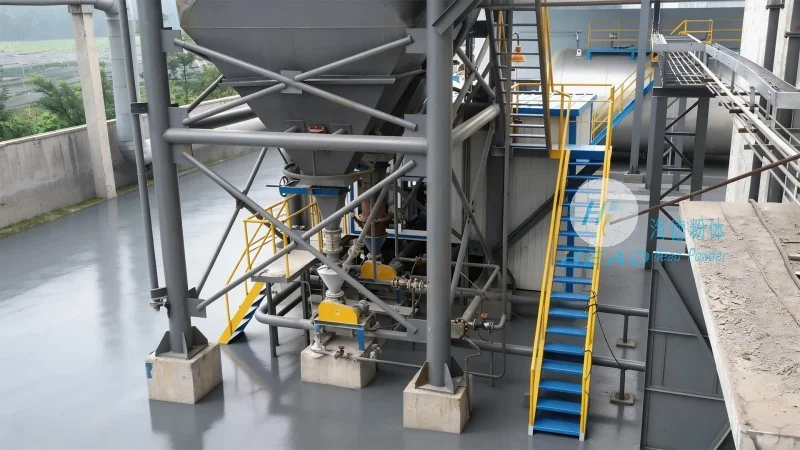
HeadPowder, a leading manufacturer in the field, specializes in the engineering and supply of advanced powder handling solutions. With a strong focus on innovation and precision, the company has established itself as a trusted partner for businesses requiring reliable and efficient conveying systems. Based in Shandong, China, HeadPowder leverages local manufacturing capabilities and global market expertise to deliver high-quality equipment that meets international standards. The company’s commitment to quality and customer satisfaction is reflected in its comprehensive product line and dedicated technical support services.
The structure of a typical bean powder conveying system comprises several key components that work in tandem to ensure smooth material transport. These components include feeders, conveyors, control systems, and safety mechanisms. Each part plays a crucial role in maintaining the integrity and flow of the powder, preventing issues such as clogging or material degradation. The feeders are responsible for accurately metering the bean powder into the conveying line, while the conveyors, often in the form of pneumatic or mechanical systems, transport the material to the desired destination. Control systems monitor and regulate the operation, ensuring consistent performance and adaptability to varying production demands. Safety features, such as pressure relief valves and emergency stop buttons, are integrated to protect both the equipment and personnel from potential hazards.
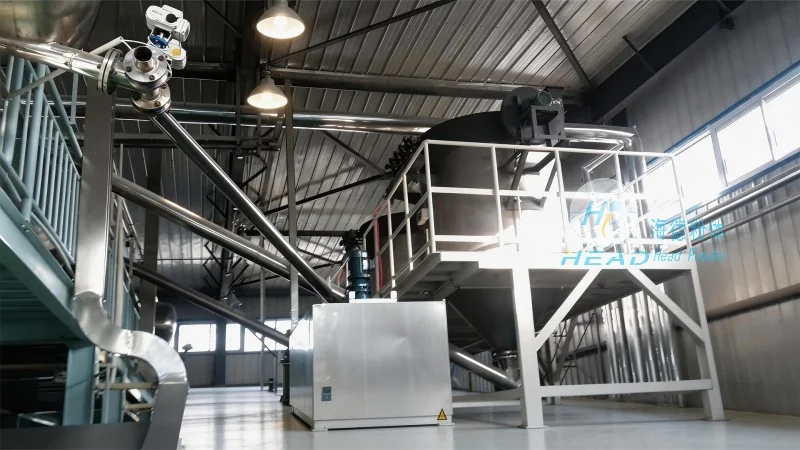
The operational principle of bean powder conveying systems revolves around the efficient transfer of bulk materials through a combination of mechanical and pneumatic forces. In pneumatic conveying systems, for example, compressed air is used to create a flow that propels the powder particles through the system. This method is particularly effective for handling fine powders and minimizing product contamination. Mechanical conveyors, such as screw conveyors or belt conveyors, rely on rotational motion to move the material, offering advantages in terms of energy efficiency and suitability for heavier or more abrasive materials. The choice between pneumatic and mechanical systems depends on factors like material characteristics, system length, and environmental considerations. Advanced control technologies, including variable frequency drives (VFDs) and real-time monitoring, enhance the efficiency of these systems by optimizing energy usage and reducing downtime. By integrating these principles, bean powder conveying systems can achieve high throughput rates while maintaining product quality and operational safety.
Bean powder conveying systems find extensive applications across various industries, with a primary focus on food processing and agricultural sectors. In food processing, these systems are used for transporting ingredients like bean flour, protein powders, and other bulk food products. The ability to handle sensitive materials without compromising their quality is a key advantage, as it ensures that the final products meet stringent safety and regulatory standards. Agricultural processing facilities also benefit from these systems, as they facilitate the efficient handling of harvested beans and other agricultural products. The versatility of bean powder conveying systems makes them suitable for a wide range of applications, from small-scale operations to large industrial plants. By providing reliable and consistent material transport, these systems contribute to improved productivity and reduced operational costs for businesses in these sectors.
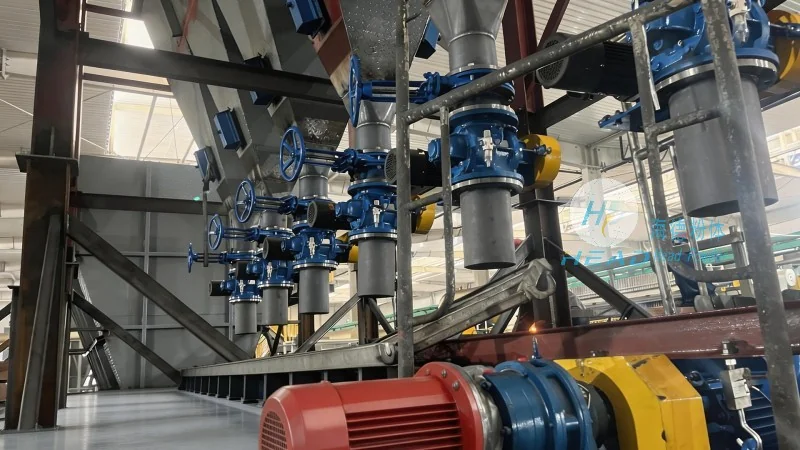
Implementing bean powder conveying systems offers numerous advantages for industrial operations. One of the primary benefits is the significant reduction in labor costs associated with manual handling of bulk materials. Automated conveying systems eliminate the need for manual loading and unloading, thereby increasing operational efficiency and reducing the risk of workplace injuries. Additionally, these systems enhance product quality by minimizing exposure to contaminants and maintaining consistent material flow. The compact design of modern conveying systems allows for space optimization in industrial facilities, making them suitable for both new and existing plants. Energy efficiency is another key advantage, as advanced systems are designed to minimize energy consumption while maximizing performance. By leveraging these benefits, businesses can achieve improved productivity, lower operational costs, and enhanced product quality.
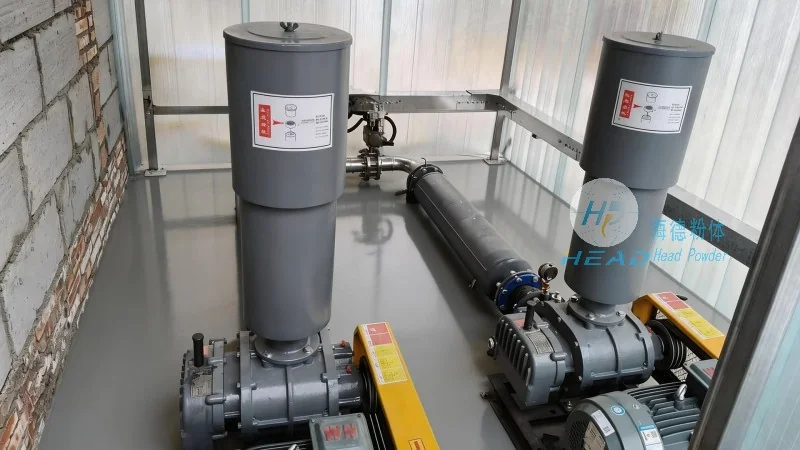
Proper maintenance is crucial for ensuring the longevity and optimal performance of bean powder conveying systems. Regular inspection and servicing of key components, such as conveyors, feeders, and control systems, help identify and address potential issues before they escalate into major problems. Routine cleaning of the system is essential to prevent the buildup of powder residues, which can affect performance and lead to clogging. Lubrication of moving parts and replacement of worn-out components are also critical maintenance tasks that contribute to the system's reliability. HeadPowder provides comprehensive maintenance services and spare parts support to its clients, ensuring that their conveying systems operate at peak efficiency. By adhering to a regular maintenance schedule, businesses can extend the lifespan of their equipment and minimize downtime, thereby maximizing their return on investment.
The field of bean powder conveying is continuously evolving, with ongoing innovations aimed at improving efficiency, sustainability, and adaptability. Emerging technologies, such as smart sensors and artificial intelligence, are being integrated into conveying systems to enhance monitoring and control capabilities. These advancements enable real-time data collection and predictive maintenance, allowing for proactive issue resolution and reduced operational disruptions. The shift towards more sustainable practices is also influencing the design of new conveying systems, with a focus on energy-efficient solutions and reduced environmental impact. Additionally, the development of modular and customizable systems allows for greater flexibility in meeting the specific needs of different applications. As technology advances, bean powder conveying systems are expected to become even more efficient and reliable, further supporting the growth and development of industries that rely on bulk material handling.

 Shandong Headpowder Engineering Co., Ltd.
 156-6277-7102(Manager Zhang)
  0531-83386006
  Zhangqiu District, Jinan City, Shandong Province, China
telephone
WeChatconsult
top