With more than 10‑year industry experience, Shandong Headpowder delivers full‑service pneumatic‑conveying systems and blowers, undertaking nationwide turn‑key powder‑handling projects.
For industries dealing with bulk materials like corn kernels, efficient and reliable material handling systems are crucial for operational efficiency and product quality. Pneumatic conveying systems offer a solution that minimizes contamination, reduces labor costs, and enhances overall process safety. This article provides an overview of corn kernels pneumatic conveying systems, focusing on their structural components and operational principles.
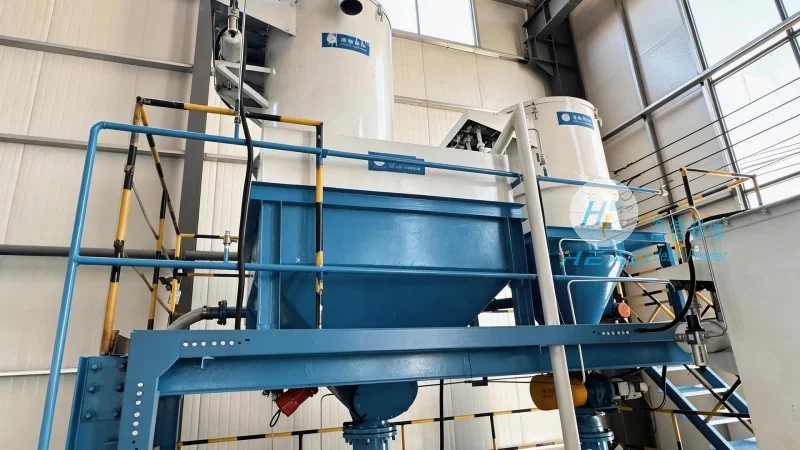
Pneumatic conveying systems for corn kernels are designed to transport bulk solid materials through a pipeline using air or gas as the conveying medium. Unlike mechanical conveyors, which rely on physical contact and moving parts, pneumatic systems use pressure differentials to move materials. This method is particularly advantageous for delicate or hygienic products like corn kernels, as it avoids direct contact with machinery, reducing the risk of contamination and material degradation.
The corn kernels pneumatic conveying system consists of several critical components that work in tandem to ensure effective material transport. These components include the material hopper, feeder, air compressor, conveying line, and receiver. Each component plays a vital role in the overall operation of the system.
The material hopper is the initial storage unit where corn kernels are loaded before being conveyed. It is typically designed with a sloped bottom to facilitate material flow into the feeder. The feeder, often a rotary valve or a screw feeder, regulates the flow rate of corn kernels into the conveying line. Precise control of the feed rate is essential to maintain consistent air velocity and prevent blockages or uneven material distribution within the pipeline.
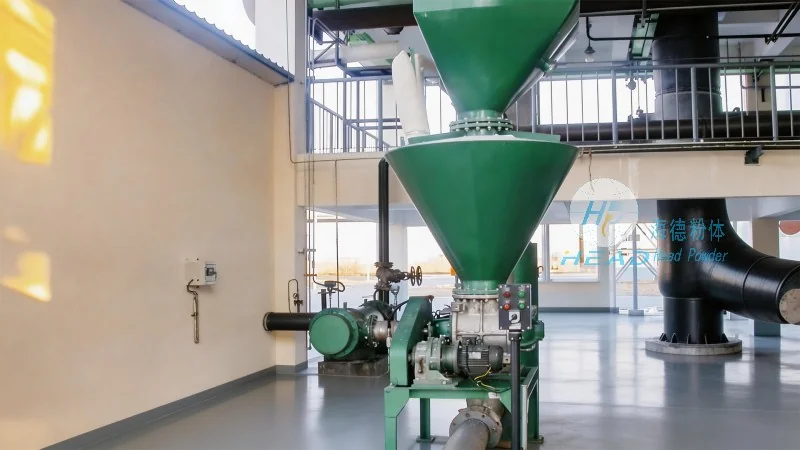
The air compressor is the heart of the pneumatic conveying system, responsible for generating the necessary pressure to move the corn kernels. It draws in ambient air and compresses it to a higher pressure, which is then directed into the conveying line. The pressure level is carefully controlled to ensure the corn kernels are transported efficiently without excessive energy consumption or material damage. The system may also include a filter and dryer to maintain air quality and prevent moisture-related issues.
The conveying line is the main pathway through which corn kernels travel. It is typically made of stainless steel or other corrosion-resistant materials to withstand the abrasive nature of corn kernels and maintain hygiene standards. The pipeline is designed with smooth, rounded bends and transitions to minimize friction and pressure losses. The diameter of the pipeline is chosen based on the material flow rate and air velocity required for efficient transport. Proper pipeline layout and support are also critical to prevent sagging or excessive stress on the system.
The receiver is the final component of the system where the corn kernels are deposited after being conveyed. It is usually a large storage bin or hopper with a discharge outlet. The receiver may include a level sensor and a discharge valve to control the release of material. The design of the receiver ensures that the corn kernels are collected without spillage or contamination, maintaining product integrity.
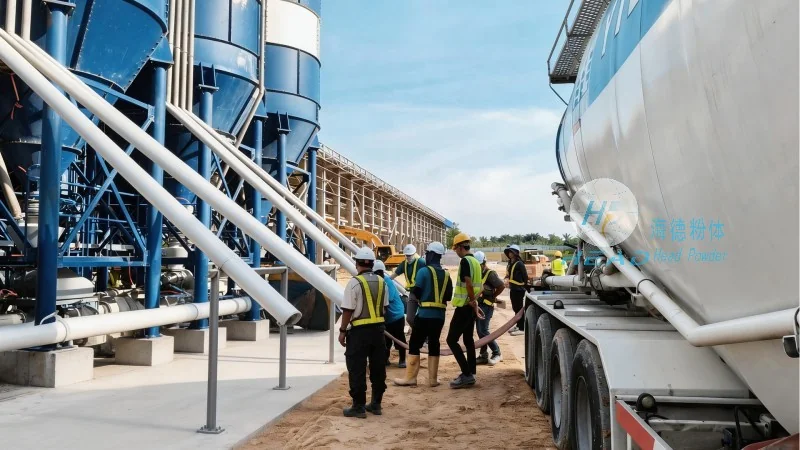
The operational flow of the corn kernels pneumatic conveying system begins with the loading of corn kernels into the material hopper. The feeder then regulates the flow of kernels into the conveying line, while the air compressor supplies compressed air to the system. The compressed air creates a pressure differential that propels the corn kernels through the pipeline. As the kernels move, they are suspended by the air flow and transported to the receiver. The system operates continuously, with the air compressor maintaining a consistent pressure to ensure uninterrupted material transport.
Implementing a pneumatic conveying system for corn kernels offers several advantages over traditional mechanical conveyors. These include reduced risk of product contamination due to minimal contact with machinery, lower labor costs as the system operates automatically, and enhanced safety features such as enclosed pipelines that prevent dust emissions. Additionally, pneumatic systems are more flexible in terms of layout, allowing for vertical or horizontal transport as needed, and can handle varying material flow rates without significant performance degradation.
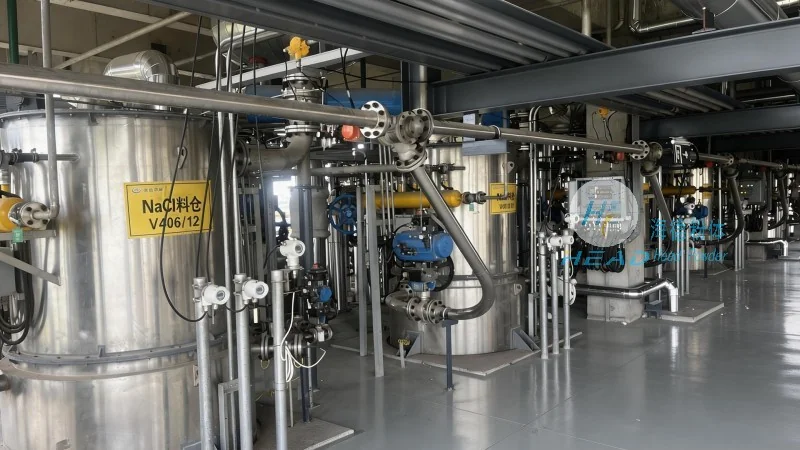
Corn kernels pneumatic conveying systems are widely used in various industries, including food processing, agriculture, and grain handling. In the food industry, these systems are essential for transporting corn kernels from storage to processing facilities, ensuring that the product remains clean and free from contaminants. In agriculture, they are used for transferring harvested corn kernels from fields to storage silos or processing plants. The versatility of the system makes it suitable for a range of applications where efficient bulk material handling is required.
To ensure the longevity and efficiency of the corn kernels pneumatic conveying system, regular maintenance is necessary. This includes checking the air compressor for proper operation, inspecting the conveying line for blockages or wear, and cleaning the material hopper and receiver to prevent material buildup. Proper maintenance schedules should be established to address potential issues before they impact system performance. Additionally, operators should be trained on the proper operation of the system to avoid misuse or damage.
Corn kernels pneumatic conveying systems represent a sophisticated and efficient solution for bulk material handling in industries dealing with corn kernels. By understanding the structural components and operational principles of these systems, businesses can optimize their material transport processes, improve product quality, and enhance overall operational efficiency. The integration of such systems, as offered by companies like Shandong HeadPowder Engineering Co., Ltd., can provide reliable and cost-effective solutions tailored to specific industry needs.

 Shandong Headpowder Engineering Co., Ltd.
 156-6277-7102(Manager Zhang)
  0531-83386006
  Zhangqiu District, Jinan City, Shandong Province, China
telephone
WeChatconsult
top