

Classification and Composition of Limestone and Gypsum Pneumatic Conveying Systems
Shandong HeadPowder Engineering Co., Ltd. specializes in the design, manufacturing, and installation of advanced pneumatic conveying systems tailored for the transportation of limestone and gypsum materials. These systems are crucial in various industrial applications, including cement production, chemical processing, and mineral processing, where efficient material handling is essential for operational efficiency and cost-effectiveness. The company, known as headpowder, leverages years of expertise to deliver customized solutions that meet the specific demands of clients in the industry.
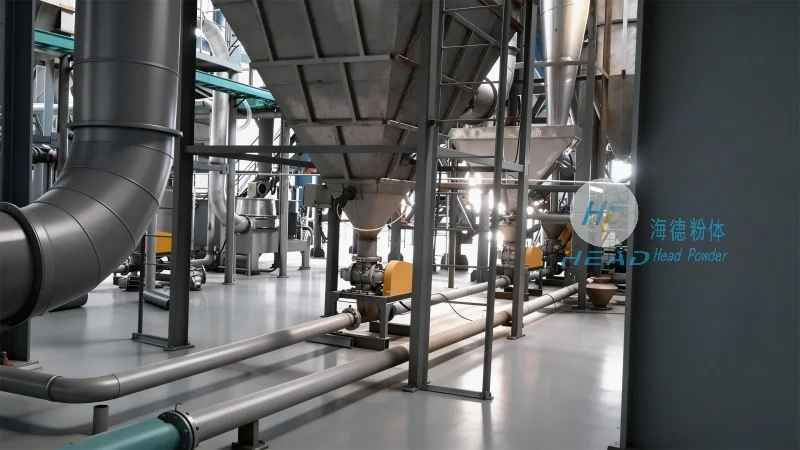
Classification of Pneumatic Conveying Systems
There are primarily two main categories of pneumatic conveying systems used for limestone and gypsum: dilute-phase and dense-phase systems. Dilute-phase systems operate by transporting materials in a suspended state within a stream of air, typically at high velocities. This method is suitable for short to medium-distance transport and is commonly used for materials with good flow characteristics. Dense-phase systems, on the other hand, transport materials in a slurry-like state, where the material is mixed with a small amount of air or gas, resulting in a higher material concentration. This type of system is ideal for longer distances and for handling materials that are prone to segregation or degradation during transport.
Key Components of the System
The pneumatic conveying system for limestone and gypsum consists of several critical components that work in tandem to ensure reliable and efficient operation. The main components include the material feed hopper, the air compressor or blower, the conveying pipeline, the control system, and the discharge equipment. The material feed hopper is responsible for storing and feeding the limestone or gypsum into the system, ensuring a consistent flow of material. The air compressor or blower provides the necessary pressure and airflow to move the material through the pipeline. The conveying pipeline is typically made of high-quality materials such as stainless steel or PVC to withstand the abrasive nature of the materials and the pressure from the air. The control system monitors and regulates the operation of the system, ensuring optimal performance and safety. The discharge equipment, such as a rotary valve or a dust collector, is used to collect the material at the end of the pipeline and prevent dust emissions.
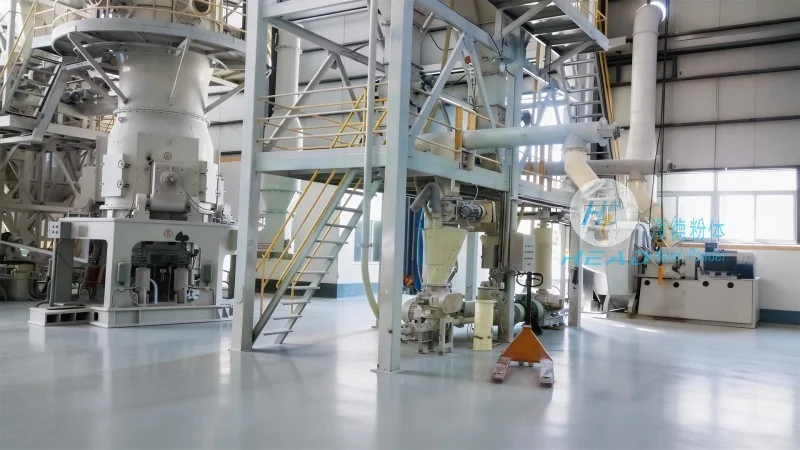
Material Feed Hopper and Feeding Mechanism
The material feed hopper is a critical component in the pneumatic conveying system, as it directly affects the system's performance and efficiency. The hopper is designed to store a sufficient quantity of limestone or gypsum, ensuring a continuous supply to the system. The feeding mechanism, which can be a screw feeder, a rotary valve, or a vibrating feeder, is responsible for delivering the material from the hopper into the conveying pipeline. The choice of feeding mechanism depends on the material's properties, such as its flowability and moisture content. For limestone and gypsum, which are generally free-flowing materials, a screw feeder or a rotary valve is commonly used. These mechanisms ensure a consistent and controlled flow of material, preventing blockages and ensuring smooth operation.
Air Compressor and Blower Selection
The air compressor or blower is the heart of the pneumatic conveying system, as it provides the necessary pressure and airflow to move the material through the pipeline. The selection of the appropriate compressor or blower is crucial, as it directly impacts the system's efficiency and cost. For dilute-phase systems, a high-velocity blower is typically used, which operates at high speeds to create a strong airflow. For dense-phase systems, a positive displacement blower or a rotary lobe blower is preferred, as it can generate higher pressure and lower airflow rates. The compressor or blower is also equipped with a filter system to remove any dust or debris from the air, ensuring clean and efficient operation. Additionally, the system may include a pressure regulator to maintain consistent pressure levels throughout the conveying process.
Conveying Pipeline Design and Materials
The conveying pipeline is a vital part of the pneumatic conveying system, as it is responsible for transporting the limestone or gypsum from the feed hopper to the discharge point. The design of the pipeline is critical, as it must withstand the abrasive nature of the materials and the pressure from the air. The pipeline is typically made of stainless steel or PVC, which are durable and resistant to corrosion. The diameter of the pipeline is determined based on the material's flow rate and the required pressure drop. The pipeline is also equipped with elbows, tees, and other fittings to direct the material flow and ensure smooth operation. The pipeline is usually installed with a slight upward slope to prevent material accumulation and ensure proper drainage.
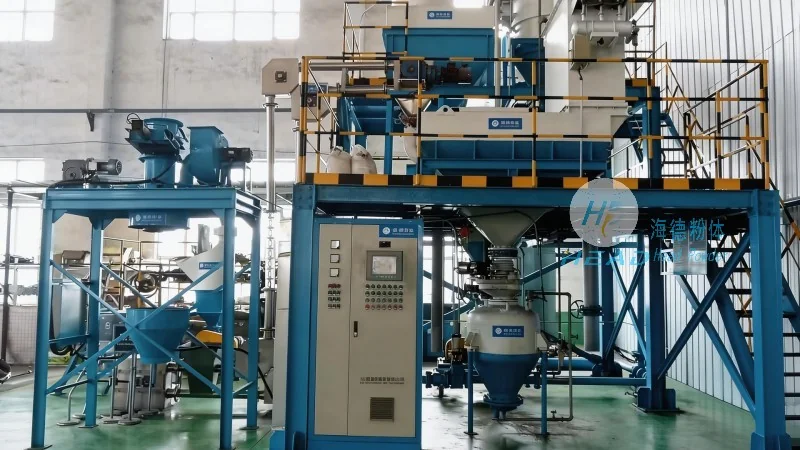
Control System and Safety Features
The control system is responsible for monitoring and regulating the operation of the pneumatic conveying system, ensuring optimal performance and safety. The system includes sensors and controls that monitor parameters such as pressure, airflow, and material level. The control system can be a simple manual control panel or a sophisticated automated system, depending on the client's requirements. The system is also equipped with safety features, such as pressure relief valves and emergency shut-off valves, to prevent accidents and ensure the safety of the operators. The control system can also be integrated with other industrial systems, such as a production line, to ensure seamless operation.
Discharge Equipment and Dust Collection
The discharge equipment is used to collect the limestone or gypsum at the end of the pipeline and prevent dust emissions. The most common discharge equipment is a rotary valve, which is a rotating device that opens and closes to allow the material to flow out of the pipeline. The rotary valve is typically made of stainless steel and is equipped with a seal to prevent dust leakage. The discharge equipment is also connected to a dust collector, which is used to capture any dust or particles that may be released during the discharge process. The dust collector is typically a baghouse or an electrostatic precipitator, which can effectively remove dust from the air. The collected dust is then returned to the system or disposed of properly, ensuring compliance with environmental regulations.