With more than 10‑year industry experience, Shandong Headpowder delivers full‑service pneumatic‑conveying systems and blowers, undertaking nationwide turn‑key powder‑handling projects.
HeadPowder, a leading engineering firm based in Shandong, China, specializes in the design, manufacturing, and installation of advanced pneumatic conveying systems. This article provides an overview of steel and lime pneumatic conveying lines, detailing their structural components and operational principles to help industrial clients understand the technology's efficiency and reliability.
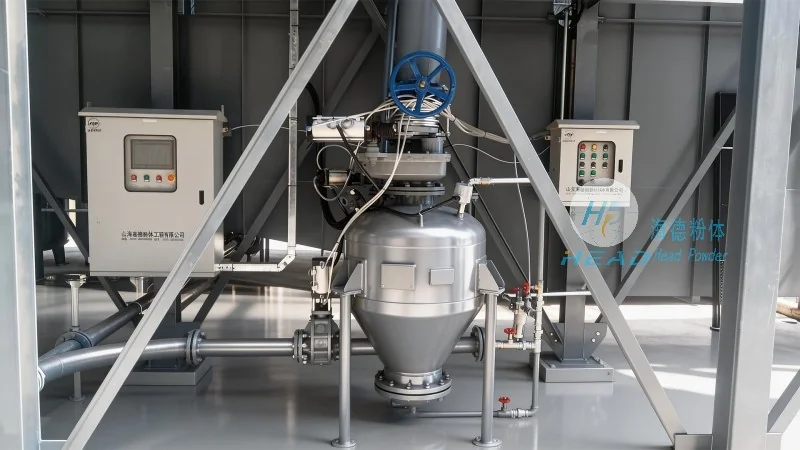
HeadPowder Engineering Co., Ltd. is a professional enterprise dedicated to providing high-quality pneumatic conveying solutions. With a strong focus on innovation and customer satisfaction, the company has established itself as a trusted partner in the industrial sector. Headquartered in Shandong, China, HeadPowder leverages decades of experience to deliver tailored systems that meet the specific needs of clients in various industries, including steel and chemical manufacturing.
Pneumatic conveying systems are essential for transporting bulk materials like steel and lime over long distances with minimal loss and contamination. These systems use air or other gases to move materials through a pipeline network, offering advantages such as high efficiency, low maintenance, and the ability to handle abrasive or sensitive materials. The core components of a pneumatic conveying system include a material hopper, a feeder, a compressor, a pipeline network, and a discharge device. Each component plays a critical role in ensuring the smooth and reliable operation of the system.
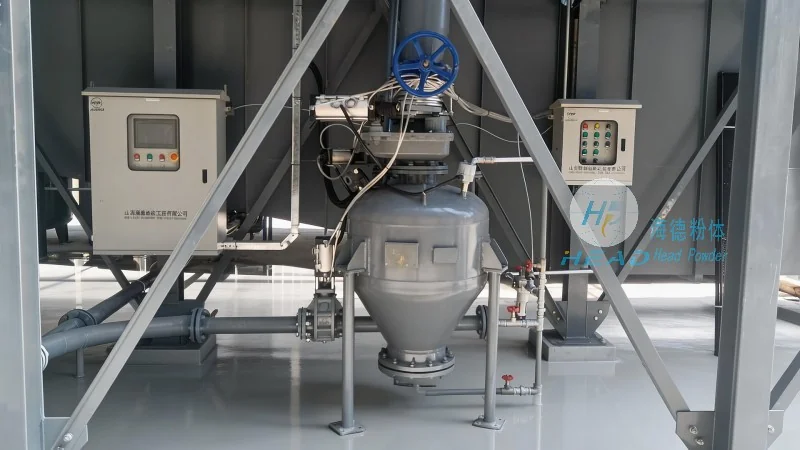
The steel and lime pneumatic conveying line typically consists of several key structural elements. The material hopper is designed to store the bulk material, ensuring a consistent feed to the system. The feeder, often a rotary valve or a screw feeder, controls the flow rate of the material into the pipeline. The compressor generates the necessary air pressure to move the material through the system. The pipeline network, made of durable materials like stainless steel or special alloys, is designed to withstand the pressure and abrasion from the conveyed materials. The discharge device, such as a rotary valve or a dust collector, collects the material at the end of the pipeline.
The operation of a steel and lime pneumatic conveying system involves several steps. First, the material is loaded into the hopper. The feeder then regulates the flow of material into the pipeline. The compressor then creates a pressure differential, drawing the material and air into the pipeline. As the material moves through the pipeline, it is carried by the air flow, which ensures the material is transported efficiently. The system is designed to maintain a consistent pressure and flow rate, minimizing the risk of material buildup or blockages. The discharge device then collects the material, completing the conveying process.
Steel and lime pneumatic conveying systems offer numerous advantages over traditional conveying methods. These systems are highly efficient, as they can transport materials over long distances with minimal energy consumption. They also provide a clean and hygienic environment, as the material is contained within the pipeline, reducing the risk of contamination. Additionally, the systems are low maintenance, as they have fewer moving parts compared to other conveying methods. The durability of the components, such as the pipeline and hopper, ensures a long service life, reducing the overall cost of ownership.
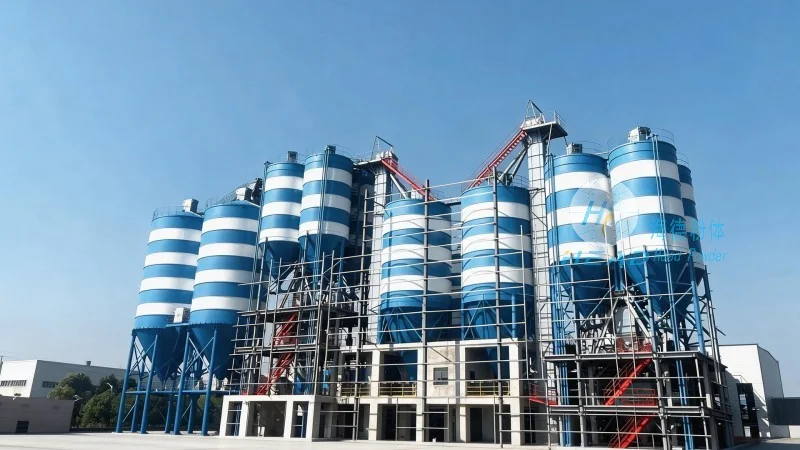
Steel and lime pneumatic conveying systems are widely used in various industrial applications. In the steel industry, these systems are used to transport raw materials like limestone and iron ore to the production facilities. In the chemical industry, they are used to transport lime and other bulk chemicals. The systems are also used in food processing and pharmaceutical industries, where the hygienic design of the equipment is critical. HeadPowder's expertise in designing and manufacturing these systems ensures that clients receive solutions tailored to their specific applications, maximizing efficiency and minimizing downtime.
Steel and lime pneumatic conveying systems are a reliable and efficient solution for transporting bulk materials in industrial settings. With its robust structure and advanced operational principles, the system offers numerous benefits, including high efficiency, low maintenance, and a clean environment. HeadPowder Engineering, based in Shandong, China, is a leading provider of these systems, leveraging its expertise to deliver tailored solutions that meet the specific needs of clients. By understanding the structure and working principles of these systems, industrial clients can make informed decisions about implementing pneumatic conveying technology in their operations.

 Shandong Headpowder Engineering Co., Ltd.
 156-6277-7102(Manager Zhang)
  0531-83386006
  Zhangqiu District, Jinan City, Shandong Province, China
telephone
WeChatconsult
top