With more than 10‑year industry experience, Shandong Headpowder delivers full‑service pneumatic‑conveying systems and blowers, undertaking nationwide turn‑key powder‑handling projects.
HeadPowder, a leading provider in the field of material handling solutions, specializes in the design, manufacturing, and implementation of advanced pneumatic conveying systems. This article provides a comprehensive overview of the oxidized iron pneumatic conveying system, focusing on its structural components and operational principles.
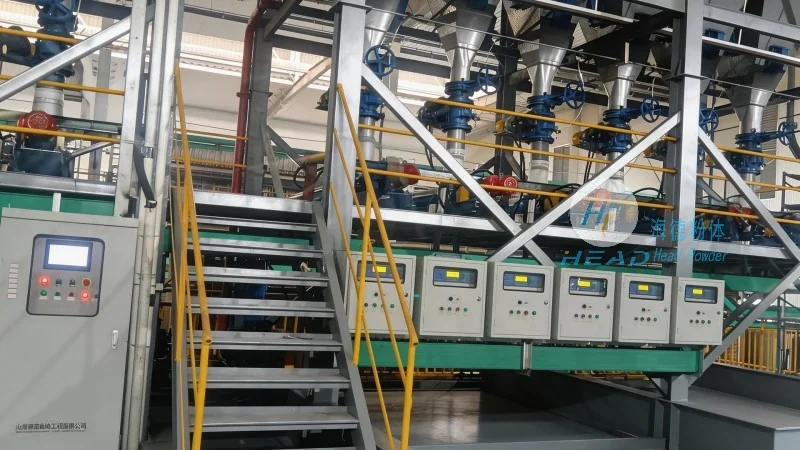
The oxidized iron pneumatic conveying system is engineered to efficiently transport oxidized iron powder through a pipeline using compressed air. This technology offers a dust-free, low-cost, and flexible method for material transport, making it ideal for various industrial applications where traditional bulk handling methods may be less suitable. The system's design prioritizes reliability, efficiency, and safety, ensuring optimal performance in demanding operational environments.
The oxidized iron pneumatic conveying system comprises several critical components that work in concert to facilitate the material transport process. These include:
1. Feeder Unit: This component is responsible for feeding the oxidized iron powder into the conveying line. It ensures a consistent and controlled flow of material, preventing blockages and maintaining system efficiency. The feeder is typically designed with adjustable speed controls to accommodate varying material feed rates.
2. Conveying Pipeline: The pipeline serves as the main transport channel for the oxidized iron particles. It is constructed from durable materials, such as stainless steel or high-grade plastic, to withstand the abrasive nature of the oxidized iron and resist corrosion. The pipeline is equipped with appropriate fittings, elbows, and straight sections to guide the material smoothly through the system.
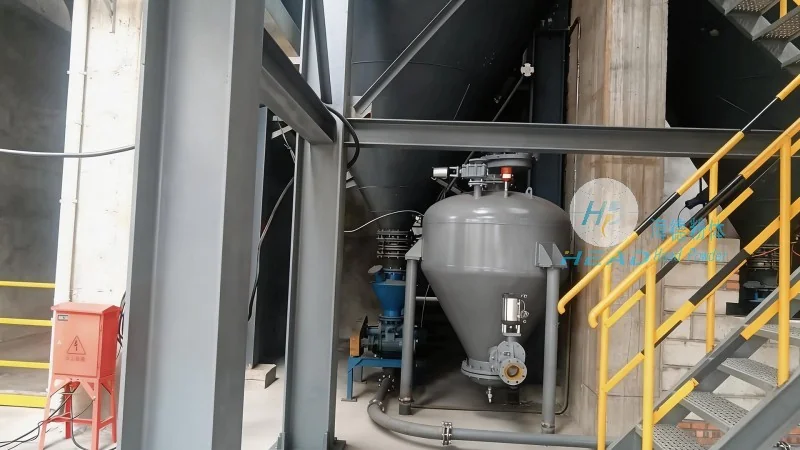
3. Compressor and Air Treatment System: The compressor generates the necessary compressed air to propel the oxidized iron particles through the pipeline. The air treatment system, which includes filters and dryers, ensures that the air is clean and dry, preventing contamination of the oxidized iron and maintaining the longevity of the system components.
4. Receiver and Diverter Valves: The receiver is the terminal component where the oxidized iron is deposited. It is designed to handle the material's weight and prevent spillage. Diverter valves are used to direct the material to different destinations or storage areas, providing flexibility in the material handling process.
The operation of the oxidized iron pneumatic conveying system is based on the principle of pneumatic transport, where compressed air is used to create a flow of material through the pipeline. The process begins when the oxidized iron powder is fed into the system via the feeder unit. The compressed air, introduced at the inlet of the pipeline, creates a low-pressure zone that draws the material particles into the air stream. As the air and material move through the pipeline, the oxidized iron particles are carried along by the air flow, reaching the receiver at the other end of the system.
The system's efficiency depends on several factors, including the air velocity, the particle size of the oxidized iron, and the pipeline diameter. Proper air velocity is crucial to prevent material deposition or blockages, while the particle size and pipeline diameter must be optimized to ensure smooth transport. The air treatment system plays a vital role in maintaining consistent air quality, which directly impacts the system's performance and the quality of the oxidized iron being transported.
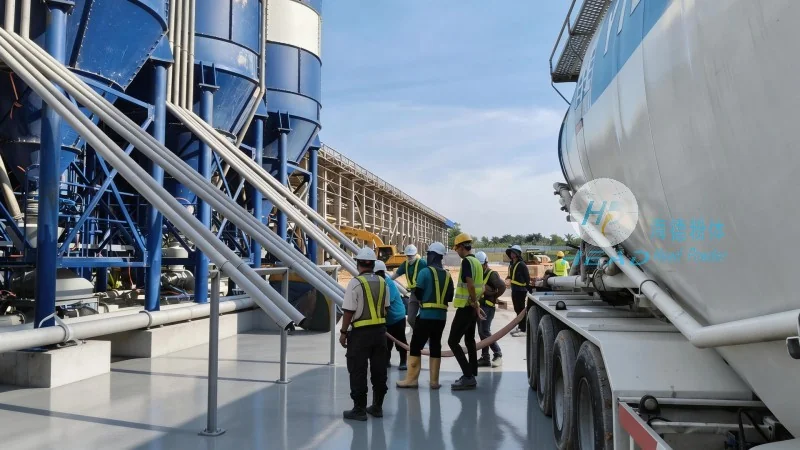
Implementing an oxidized iron pneumatic conveying system offers numerous advantages over traditional material handling methods. These benefits include:
1. Dust-Free Operation: Unlike traditional bulk handling methods, the pneumatic system operates in a closed environment, significantly reducing dust emissions and improving workplace safety.
2. Low Maintenance Costs: The system's design minimizes the need for frequent maintenance, as the components are engineered to withstand the abrasive nature of oxidized iron and resist corrosion.
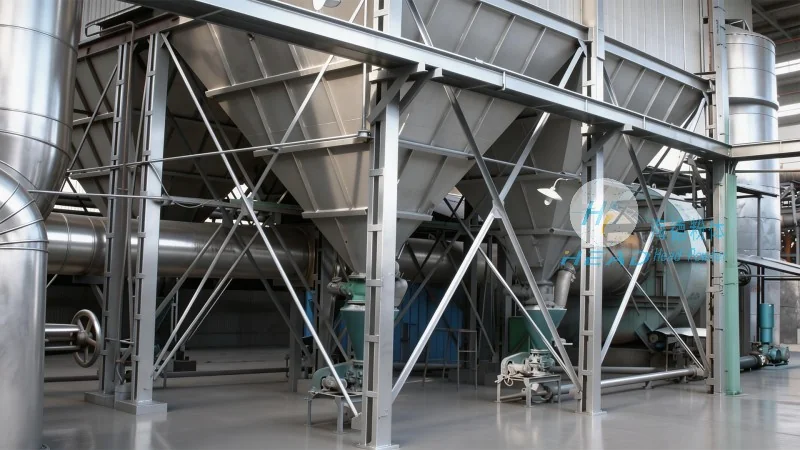
3. Flexibility and Scalability: The system can be easily adapted to different production requirements, with the ability to expand or reconfigure the pipeline layout as needed.
4. Energy Efficiency: By using compressed air efficiently, the system minimizes energy consumption compared to other bulk handling solutions.
Shandong HeadPowder Engineering Co., Ltd., operating under the brand name HeadPowder, is a reputable company based in Shandong, China. With years of experience in the material handling industry, HeadPowder specializes in the development and implementation of advanced pneumatic conveying systems tailored to meet the specific needs of various industries. The company's commitment to quality, innovation, and customer satisfaction has established it as a trusted partner for businesses seeking reliable and efficient material transport solutions.
The oxidized iron pneumatic conveying system, as described above, represents a sophisticated and efficient solution for transporting oxidized iron powder. Its robust structural design and reliable operational principles make it an ideal choice for industries requiring high-performance material handling. HeadPowder, with its expertise and dedication to excellence, continues to provide top-tier pneumatic conveying systems that enhance operational efficiency and safety in industrial settings.

 Shandong Headpowder Engineering Co., Ltd.
 156-6277-7102(Manager Zhang)
  0531-83386006
  Zhangqiu District, Jinan City, Shandong Province, China
telephone
WeChatconsult
top